More than 413,000 workers in Germany strike and protest for higher pay
IG Metall held 2,800+ actions since 1 November; talks resume Monday, 9 November, after no breakthrough in the third round.
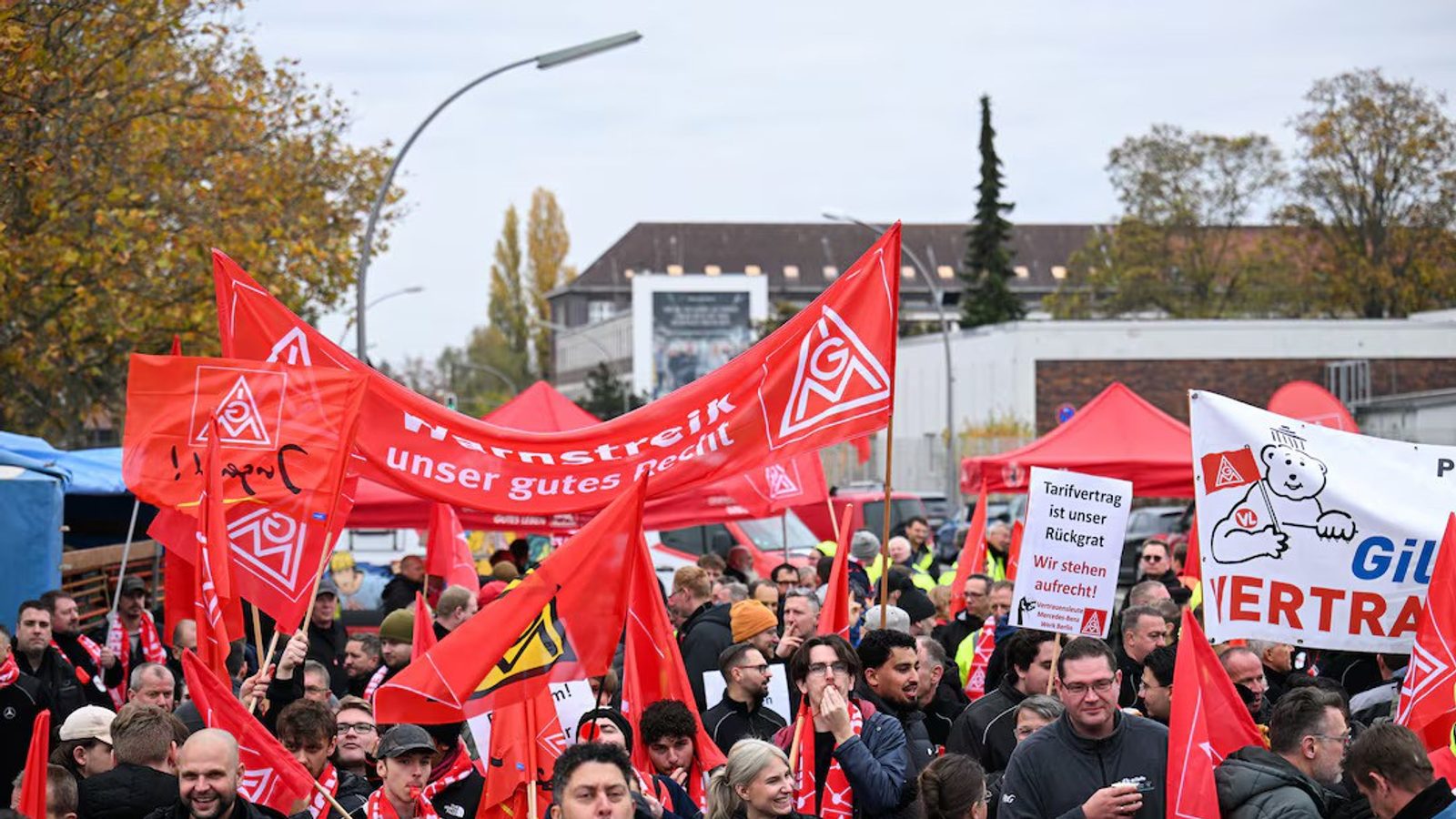
More than 413,000 workers across Germany took part in warning strikes and protests last week as labour tensions intensified over pay and job security, union IG Metall said. The actions began on 1 November and included a wide range of demonstrations, walkouts and rallies.
The union reported that from 1 November organizers held more than 2,800 strike actions, demonstrations and gatherings — a turnout larger than during the comparable phase of talks in 2024. IG Metall is demanding a 5 percent pay increase to be implemented over 12 months; employers have offered a 1.3 percent rise that would only take effect in July 2028, plus a possible one‑off payment in July 2027 contingent on companies’ finances.
Major factories affected
Strikes touched parts of Germany’s largest industrial employers, including BMW, Audi, Mercedes, Porsche, Bosch and Airbus. On Thursday approximately 12,400 workers protested at four Airbus sites in northern Germany, while some 3,300 employees participated earlier at Mercedes plants in Bremen.
The dispute comes as German industry faces high energy and production costs, weak economic activity and pressure to cut expenses. The collective bargaining talks concern roughly 3.7 million workers in the metal and electrical sector, raising stakes across a broad range of companies and supply chains.
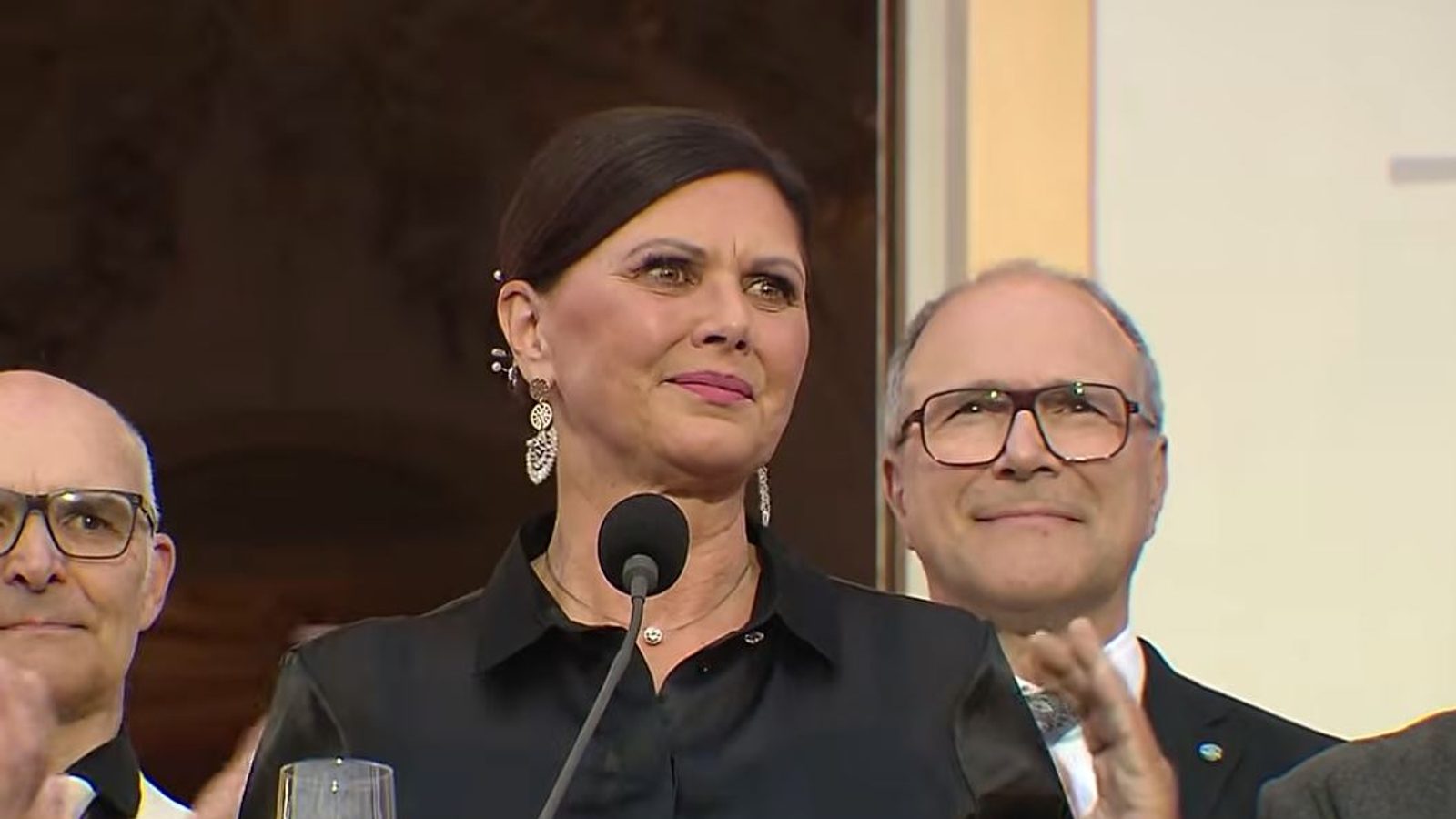
IG Metall’s president, Christiane Benner, said industry strengthening requires investment and innovation and that the union demands concrete guarantees to preserve jobs. The third round of negotiations produced no significant breakthrough, and new talks between the union and employers are scheduled for Monday, 9 November.
With the calendar now set for fresh negotiations, both sides face pressure to find a compromise that balances purchasing‑power concerns for workers with the financial constraints many manufacturers cite.
Photo: press material from the event