Over 72% of wastewater in North Macedonia discharged untreated; some households drink unchecked water
State statistics show major gaps in wastewater treatment and remaining pockets of unchecked drinking water despite high public-supply coverage.
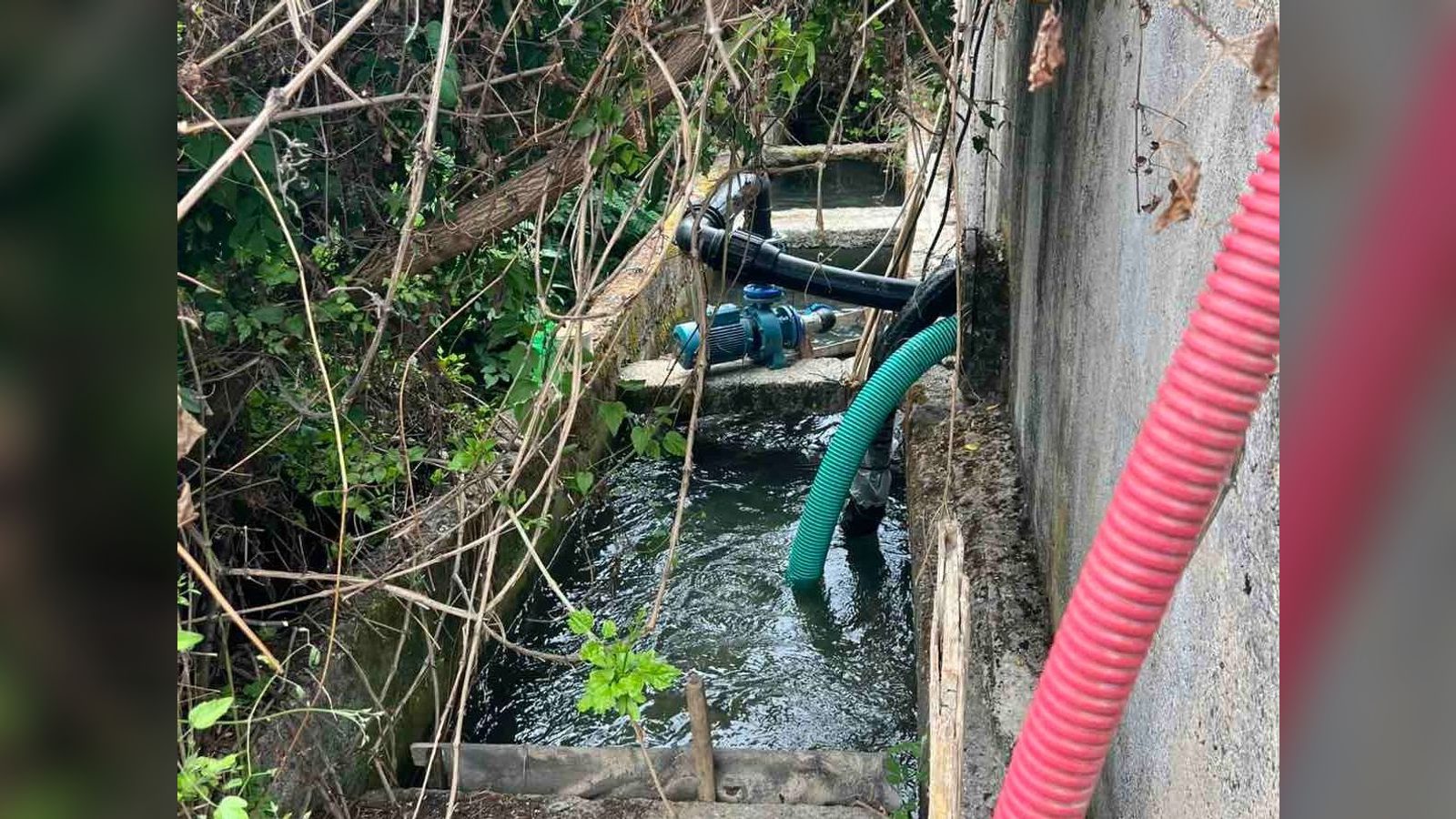
More than 72 percent of all wastewater discharged in North Macedonia was not treated in 2025, while gaps remain in drinking-water checks for some households, according to figures published in the State Statistical Office's Environmental Statistics for 2025.
The report finds that between 2013 and 2022 over 90 percent of analysed drinking-water samples met sanitary and hygienic standards. Physical‑chemical non‑compliance ranged from 2.6 to 5.5 percent, and microbiological failures between 0.9 and 3 percent.
Infrastructure shortfalls
Despite a high share of households connected to public supply, the statistics note that some households — especially in sparsely populated rural areas — still rely on water that has not been tested either biologically or chemically. The report states: "Although the figure that 91.4 % of the total number of individual households are supplied with drinking water from a public water supply represents a statistically high indicator, the fact that at the beginning of the 21st century, in the heart of Europe, some households still drink water that has not been tested either biologically or chemically, is a cause for concern."
The country's sewerage network also shows important gaps: 7.3 percent of apartments have no sewer connection, 13 percent of households use septic tanks, and 4.3 percent of wastewater is discharged without an organised drainage system. A large portion of the sewer network is not connected to treatment facilities.
Overall, only 27.4 percent of discharged wastewater underwent any treatment in 2025, leaving 72.6 percent untreated. The Ministry of Environment's Strategic Plan for 2026–2028 lists projects to build and upgrade sewerage infrastructure, collectors and stormwater systems and to extend water and sewer networks in rural localities.
Planned investments named in the plan include construction of a water supply system in Tearce and new water‑and‑sewer networks around Delchevo, Tetovo, Demir Hisar and Negotino. The ministry also notes that the last published National Strategy for Environmental Protection dates from 2018 and remains in force until 2027.
Local crisis authorities recently announced that water in Gostivar is now safe to drink. On the related dispute over the Rasche site, Gjorgjievski said: "The landfill is not on the territory of the City of Skopje."
Photo: MVR