Over €9 million less for education: Janevska says no consequences, economists worried
Minister Vesna Janevska says the reductions will not harm learning; economists and municipal representatives warn the cuts deepen structural problems.
The government’s 2027 draft budget reduces municipalities’ block grants for primary and secondary education by more than €9 million, leaving local authorities with about €406 million to cover schooling costs and prompting fresh debate over whether the state is investing in pupils’ future or merely keeping the education system afloat.
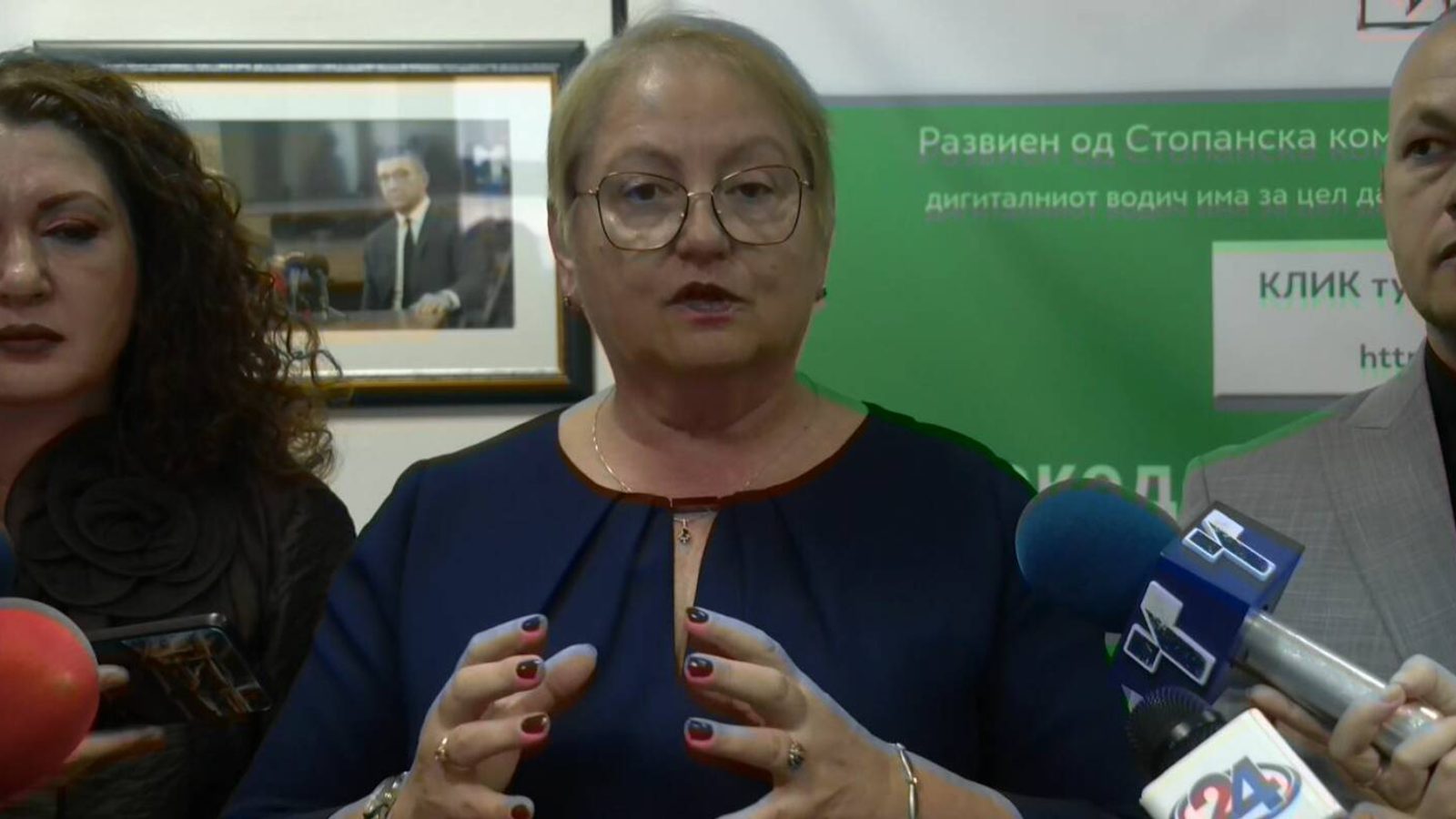
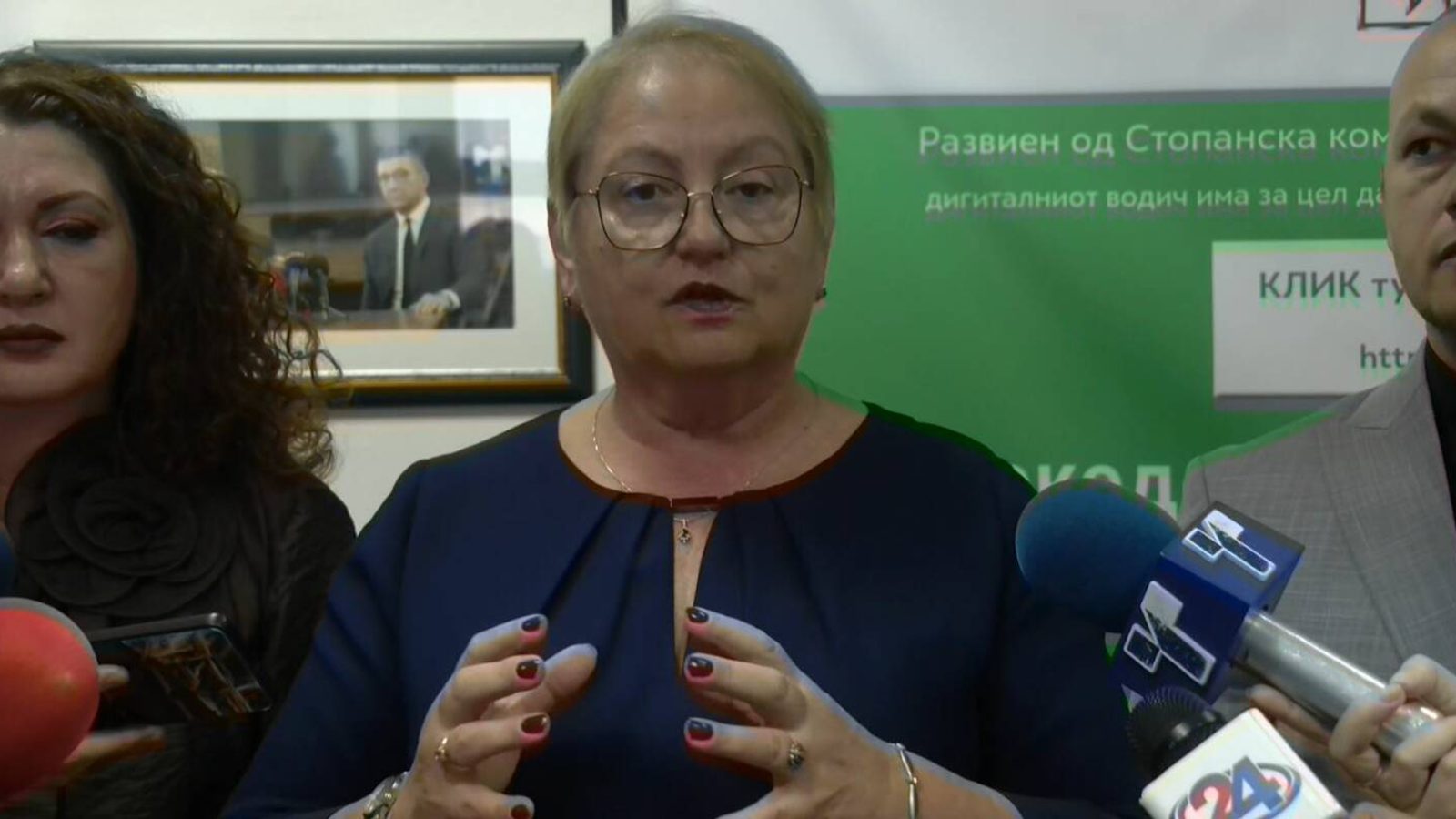
Education Minister Vesna Janevska downplayed the risk of harm to teaching and learning, announcing a new formula for allocating funds and plans to close or merge classes while redirecting teachers toward other educational activities. She also said wages for education staff will rise by 7.5 percent in March under the collective agreement.
Economists warn the cuts deepen existing problems
Independent economists and municipal representatives say the issue runs deeper than a single pay rise. They point out that when more than 80 percent of block grants go to salaries, there is little left for extracurricular programmes, teacher incentives and measures aimed at motivating pupils.
"We today, from 2008 until today, for the first time in the basic budget that is being taken to the Assembly, have a nominal reduction of the block grant for primary and secondary education. And yet next year, starting from March, an increase in salaries of education workers and employees in education has been announced and agreed in the collective agreement. What does that mean? We already have a high share of salaries in primary and secondary education costs, and with this cut, we increase that share even more. I am afraid that this scandal of power cuts in higher education institutions will become our everyday occurrence next year when the 2027 budget starts to be implemented," said Viktr Mitevski, Executive Director of ZMAI. (19-11-2026)
Association of Local Self-Governments estimates that roughly 90 percent of the block grants will be spent on teacher salaries. That narrow fiscal space will place greater pressure on municipalities to find ways to support schools and on the central government to justify the allocation changes when the draft budget is debated in the Assembly.
Photo: press material from the event