Sheep culls top 7,000 as breeders demand vaccine the government has yet to secure
Breeders demand quick delivery of doses government says it is arranging through the Turkish embassy; tens of thousands of animals already lost in dozens of outbreaks.
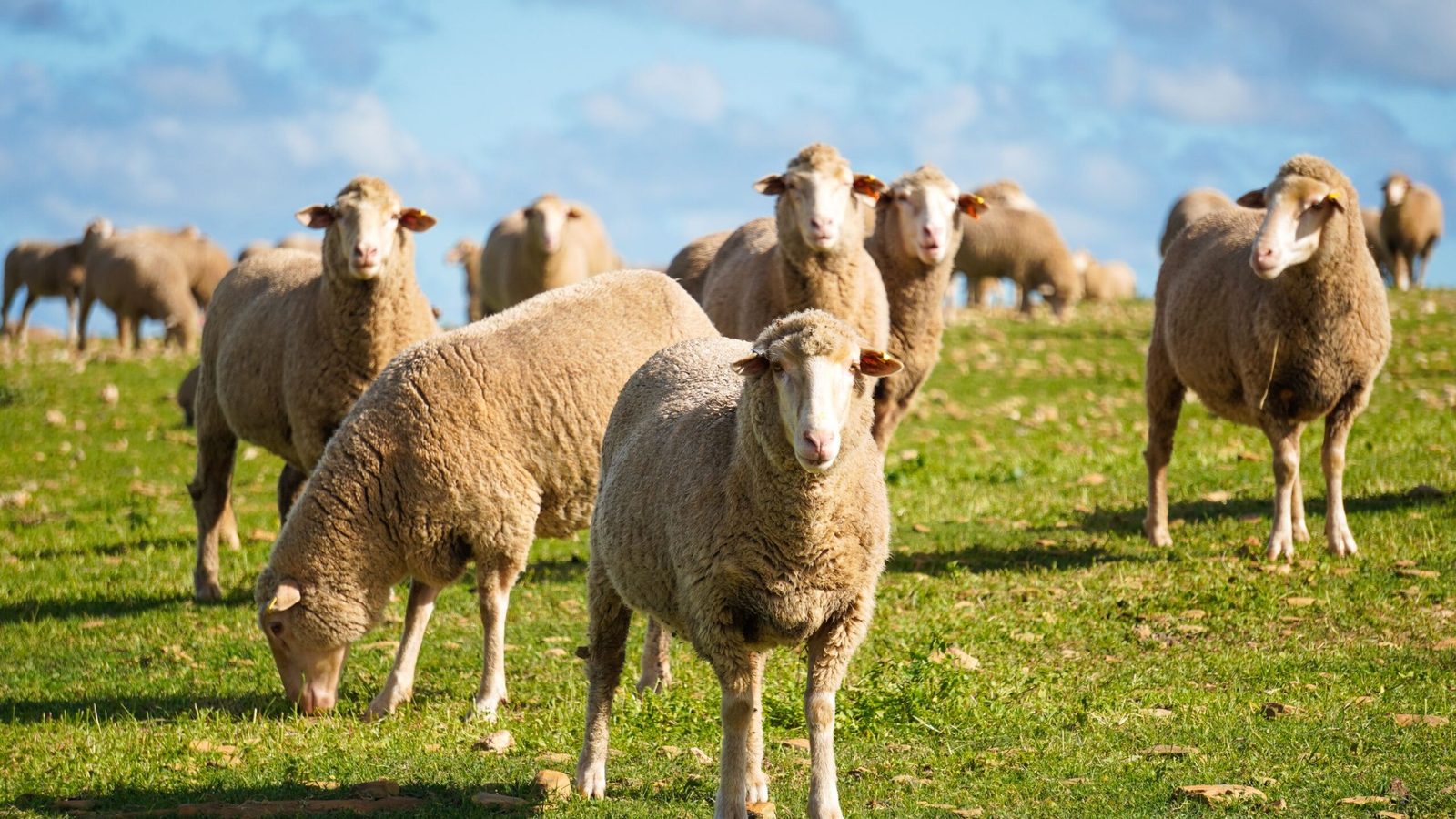
At least 7,000 sheep have been culled so far as a livestock disease spreads across North Macedonia, and shepherds say the government has still not secured a vaccine they consider crucial to stop further losses. Farmers staged a protest in front of the Government and demanded immediate delivery of doses the Ministry of Agriculture says it is negotiating through the Embassy of Turkey.
Farmers warn of collapse of sheep sector without vaccine
Sheep breeders report the first domestic cases were confirmed in February this year and estimate that between 7,000 and 10,000 animals have been destroyed by official services to contain the outbreak. The Union of Sheep Breeders “Modern Shepherd” says the country currently counts some 50 outbreak sites and roughly 40–50 completely destroyed flocks, leaving many families without their livelihood.
Naser Džemaili, president of the Union, said: "Today we are here in front of the Government to appeal about what is happening with the foot-and-mouth disease in sheep. We see that no one is taking measures, and that every day sheep are being killed and large flocks are being destroyed every day. We ask the Government to find a solution for the disease as soon as possible, to procure a vaccine. So far we have more than 50 outbreaks and around 40-50 destroyed flocks and that many families left without their livelihood, left on the street. The disease is widespread everywhere, and there are flock owners who do not report the disease so their sheep will not be destroyed. A black market also operates. Some privately vaccinate on their own. The situation is terrible. When there is a vaccine, why should we lose the flocks?"
He added that on some farms authorities delayed interventions: "There are infected flocks, and for 20 days the Agency for Food and Veterinary has not gone to destroy them. Imagine how much the disease can spread. So far we have had three or four meetings with the Agency for Food and Veterinary, with the Chamber of Veterinary Stations, with the Faculty of Agriculture, but still there are no conclusions. This morning the minister called us and informed us that they were negotiating the vaccine through the Embassy of Turkey and were waiting for it to be delivered as soon as possible." Džemaili warned the cumulative effect is driving people away from livestock: "And so nobody wants to keep sheep, if this problem is not solved, it will be the end for sheep breeding."
Shepherds from the Shtip region report particularly high infection rates; one breeder, Ilmi Zekiri, told reporters that “70 to 80 percent of the sheep” there have been affected and described the emotional and economic toll: "To wake up in the morning and see that your whole flock is sick, and you live off them and not know what to do, is something very sad. We live from those sheep. The solution is not that they be killed. That is a catastrophe. Compensation of 100 denars per kilogram is a shame! They value sheep by category. Our sheep are not to be valued by category, we keep them for subsistence. And if they already destroy them, let them pay us properly, and not by the kilogram. By the kilogram they are sold to traders. Everything is delayed here — both subsidies and measures. If compensation is paid after two years, it is useless."
Other breeders echoed complaints that proposed compensation rates and timing are inadequate. Milena Velickovic, a shepherd from Kumanovo, said negotiations over vaccine procurement have dragged on for more than a month and that farmers had not heard convincing reasons to avoid vaccination: "Negotiations for vaccination have been going on for more than a month. We have not heard arguments against vaccination so far. The only argument for not carrying out vaccination is that we might get an export ban from the European Union, but there is no official information whether that would happen. In reality, neither the meat of a sick sheep is harmful to people, nor is it harmful after vaccination. I talked with a professor and received such an answer that there is no withdrawal period for using meat or milk after vaccination." She added: "Will those whose flocks are destroyed return to sheep breeding? Will there be some additional measure for them because the compensation, to put it mildly, is ridiculous. Will they receive subsidies for this year? These sheep were not lost because someone wanted it, a disease happened."
Veterinary authorities say the disease is not transmissible to humans and that meat and milk from infected animals are not dangerous to consume, but there is no cure and infected sheep can die. Farmers demand rapid vaccine procurement and faster, fairer compensation and warn that without long-term state measures the national flock — currently estimated at 250,000–300,000 animals, well below historical levels — could shrink further.
Photo: pexels-gurswin-prins