Highest paid K-15 reached 469,190 denars; mandatory minimum is 19,567
Public Revenue Office data show 91,877 beneficiaries and a single highest net payment of 469,190 denars; the collective agreement sets a private-sector minimum of 19,567 denars.
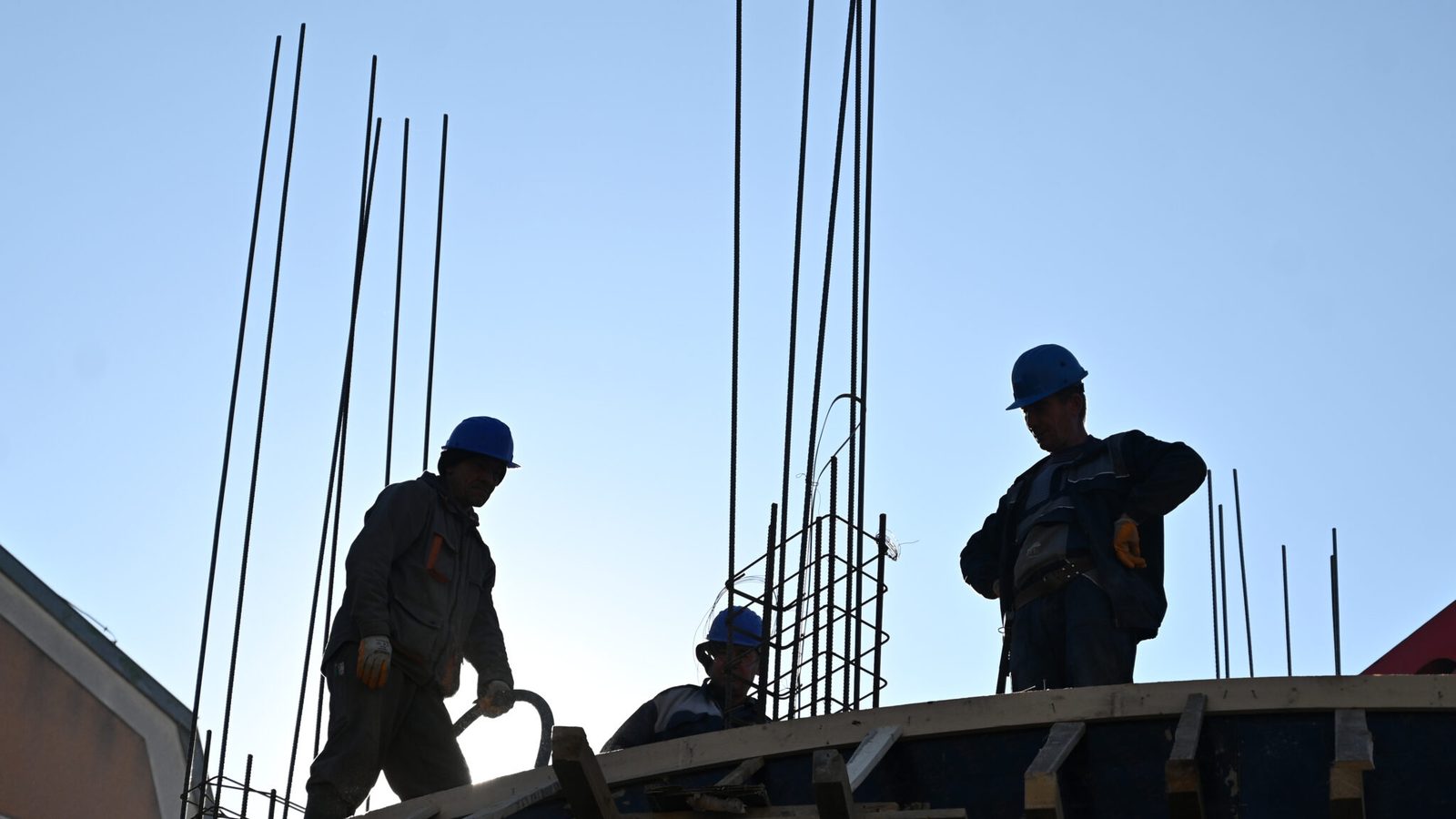
Employers in the private sector who pay the annual vacation allowance commonly called K-15 must pay at least 19,567 denars, the minimum set by the General Collective Agreement for employees in the private sector. That floor equals 40 percent of the average of the last three average net salaries published by the State Statistical Office, unless the company has documented "economic difficulties."
For public-sector employees the General Collective Agreement sets a different minimum: 13,560 denars, which corresponds to 30 percent of the average net wage for the previous year. Sectoral collective agreements may, however, guarantee higher amounts.
The Public Revenue Office (PRO) reports that, as of 1 July 2026, 91,877 employees have received K-15 — roughly 15 percent of all workers (fixed-term or indefinite contracts with paid pension and health contributions). The same data show that payers have reported a total net disbursement of 2,624,228,642 denars from 5,376 payers for those beneficiaries.
In a statement to the Public Revenue Office, the agency summarized the payments: "As of 1 July 2026, K-15 (vacation allowance) was paid in a total net amount of 2,624,228,642 denars by 5,376 payers for 91,877 employees. The highest net paid amount of vacation allowance is 469,190 denars, while the average net amount of paid allowance is 28,562 denars. Data for the lowest net amount paid cannot be provided, since some payers pay the allowance in multiple instalments, with every single payment recorded separately."
Legal gap and past amendments
A persistent weakness in the General Collective Agreement is imprecise language about when an employer may pay less than the minimum K-15. That leaves room for significantly lower payments: there are still workers who receive only a few thousand denars as K-15.
The Agreement was amended in summer 2015 to define the circumstances under which a smaller allowance may be agreed, but it does not establish clear criteria for what constitutes "economic difficulties" or how to measure an employer's economic and financial condition. The text of the clause reads: "At employers where difficulties in operations have arisen, taking into account the economic–financial situation of the employer, after mandatory prior consultation with the union at the branch or department level, by an agreement signed by the employer and the representative trade union organization it may be determined that the vacation allowance is paid in a smaller amount than the amount established by this collective agreement. At employers where no union has been formed, the agreement is signed with a chosen representative of the workers."
Trade unions and labour inspectors have been warning for years that the lack of objective criteria creates space for abuse. The law requires that the vacation allowance be paid no later than 31 December of the current year. Penalties exist for non-payment: fines of up to 4,000 euros and, in cases where an employer forces a worker to return the money in cash, prison sentences of up to one year.
Photo: press material from the event