Spain sends troops to Ceuta amid surge of migrant arrivals
Madrid is sending soldiers and boosting police forces after thousands of arrivals; a July Supreme Court ruling is cited as a probable trigger.
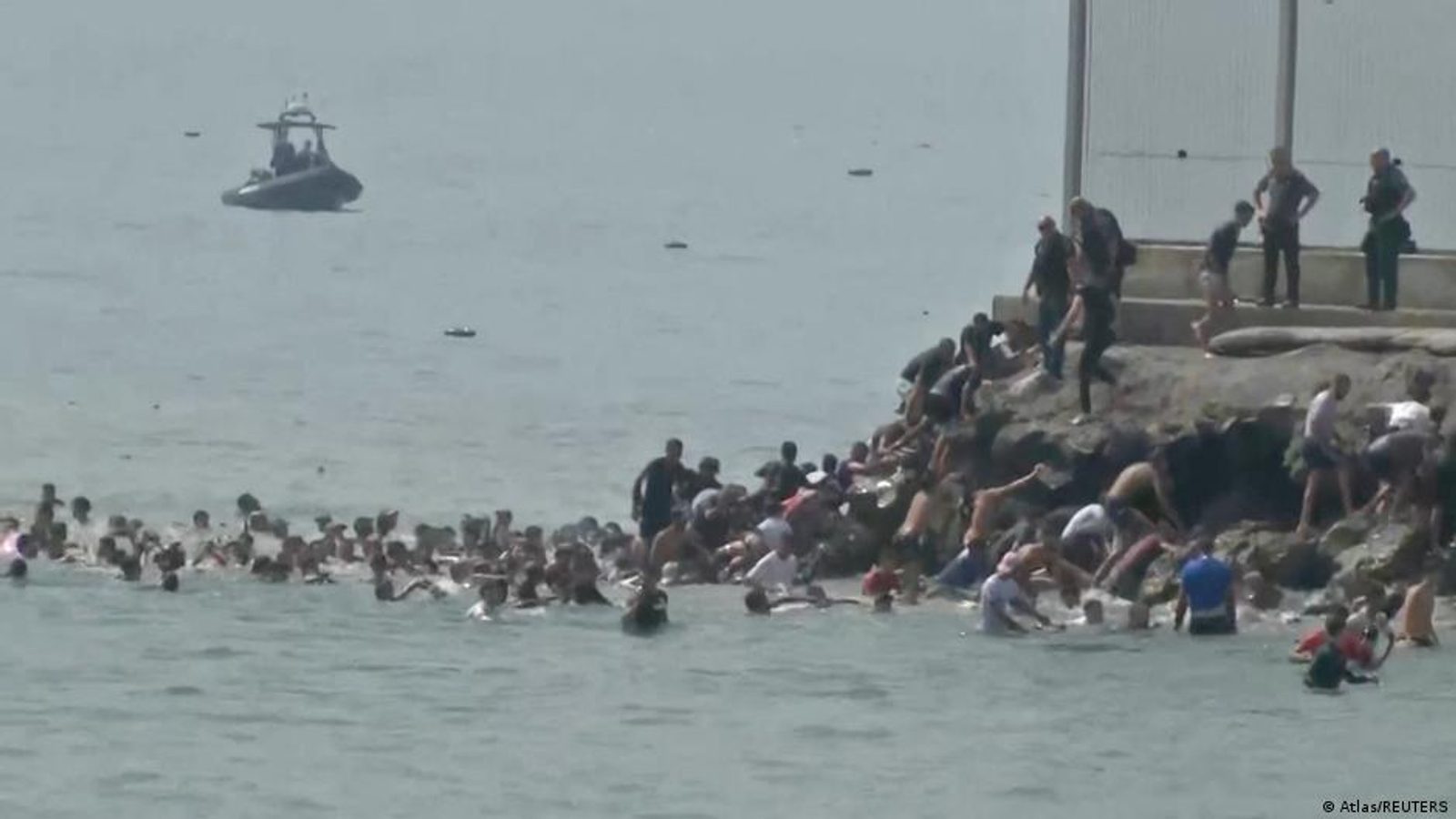
Spain has deployed soldiers to the North African exclave of Ceuta after thousands of migrants reached the city by sea over a matter of days. Madrid says the initial military contingent will include three units of 20 soldiers each, a diving unit and one naval vessel; the number of special police deployed will be raised to 200. Troops are to support the Guardia Civil in securing the city.
Authorities say more than 1,500 migrants arrived in recent days. On Thursday there were further landings, with media estimates for the day ranging from several hundred to several thousand. Reception centres are repeatedly overcrowded and many people are sleeping outdoors. Spanish officials reported that at least nine people have died attempting to reach Ceuta.
Rashid Sbihi, head of the Guardia Civil union, described the scene in the city as complete chaos and said border controls had effectively broken down. "It is not possible to give precise figures, but thousands of migrants are crossing the border," he said.
Legal ruling and alleged coordination
One possible trigger for the recent wave is a ruling by Spain's Supreme Court earlier in July: people intercepted at sea while attempting to swim to Ceuta cannot be instantly returned to Morocco and must instead be processed through regular foreigner procedures. Spain's Ministry of the Interior accuses smuggling networks of exploiting the decision.
Videos showing successful crossings and calls for further attempts have circulated on social media, and local reporting indicates some operations are being organised in closed messaging groups. Moroccan human rights activist Ashraf Maimuni said: "The border at Tarajal was opened this morning under unusual circumstances and people were crossing." Moroccan authorities have not publicly responded to those claims.
Regional president Juan Jesús Vivas urged the central government to declare a state of emergency "for reasons of national security" and asked for additional police forces and military assistance on the border with Morocco; Madrid refused to declare a national emergency. Prime Minister Pedro Sánchez and Interior Minister Fernando Grande‑Marlaska announced they would travel to Ceuta on Friday, July 31, 2026, to assess the situation in person.
The European Union offered support. Migration Commissioner Magnus Brunner posted on X that he had expressed "the EU's readiness to further support Spain, including through Frontex, to bring the situation under control." He stressed that protection of the EU's external borders is a "fundamental part of our efforts in the fight against illegal migration." Officials in Madrid and Rabat say they intend to step up border controls and speed up return procedures, but it remains unclear how quickly the situation can be stabilised or how the large number of people will be cared for in the meantime.
Photo: press material from the event