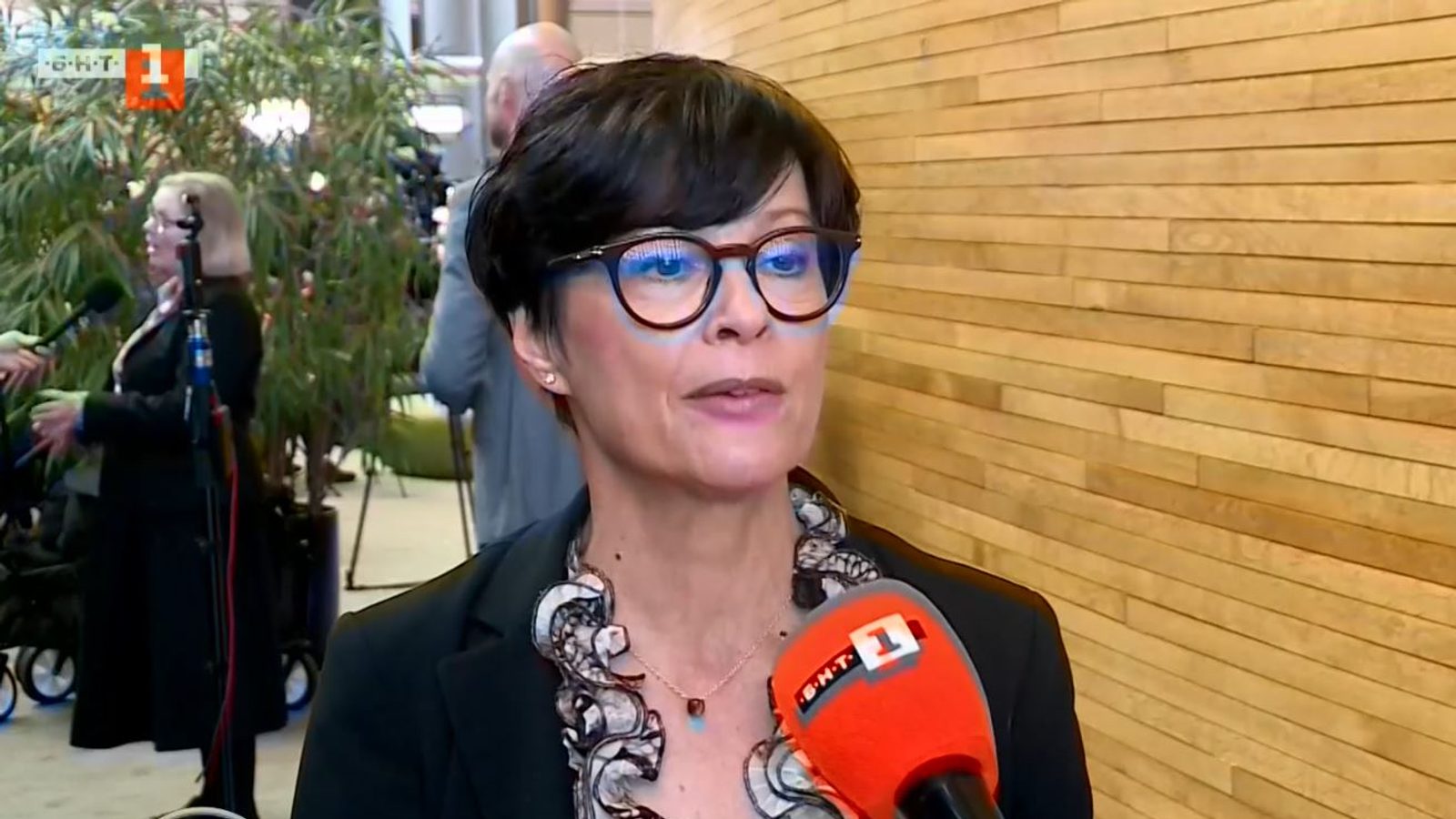
Thomas Waitz in Skopje: Progress needed whether or not North Macedonia joins the EU
Waitz told a Skopje forum that basic services and rule of law matter for development regardless of EU accession prospects.
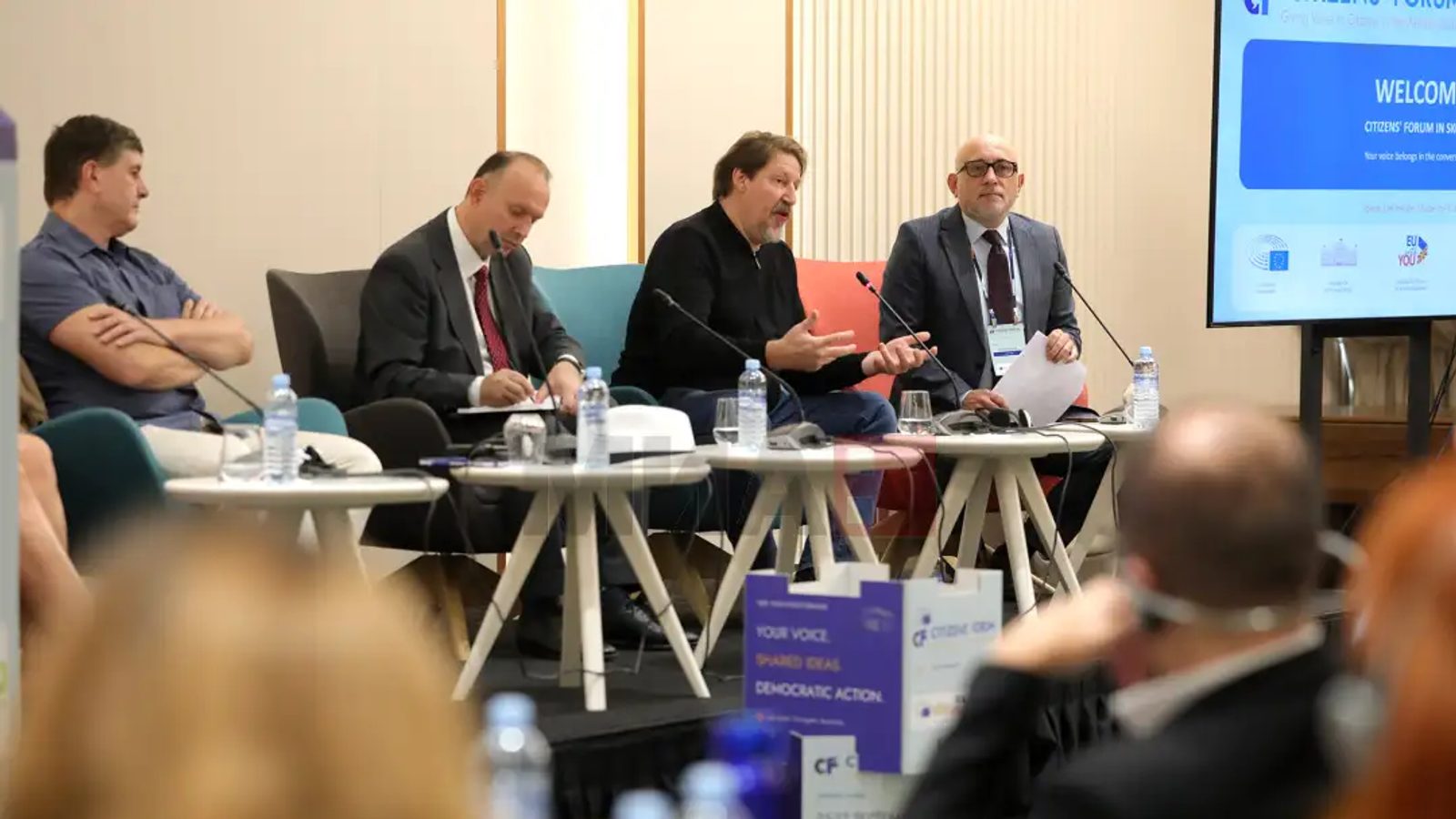
Thomas Waitz, Austrian member of the European Parliament and the Parliament’s standing rapporteur for North Macedonia, told participants in a civic forum in Skopje that progress within the country is necessary regardless of whether it eventually becomes a member of the European Union.
Focus on everyday governance, not only accession
Waitz spoke at the forum titled “North Macedonia and the future of Europe: Citizens at the heart of enlargement,” organised by the Group for Support of Democracy and Election Coordination of the European Parliament together with the Assembly of North Macedonia. He argued that development must be understood first as creating a modern, democratic and well-organised society that delivers better living conditions for people.
“I believe that only a country that takes care of the basics — clean air, water, good living conditions — also progresses economically. All of that has a direct economic impact. It is in every system that defines your daily life; it is also the rule of law — whether the law is applied equally to everyone or whether it depends on how rich you are and where you come from. And we need to talk about that,” Waitz said.
He listed environmental issues and local public services as topics that require open debate: air quality, illegal dumps, recycling, wastewater treatment plants, mining and forestry. Waitz also stressed the role of the rule of law as a pillar of state functioning and of democratic participation.
The Assembly’s speaker, Afrim Gashi, who also addressed the forum, reiterated that the country has a clear strategic orientation toward full EU membership and that this goal enjoys broad public support. He warned, however, that the road to Europe cannot be advanced by institutions alone and that participatory democracy means continuous citizen involvement beyond election periods.
Gashi said: “This is a commitment that has wide support in our society and which must be cross‑party and long‑term. But the European path cannot be successful if it is led only within institutions. That is precisely why forums like this are important. Participatory democracy does not mean asking citizens for opinions only during election periods. It means that citizens should continuously have the opportunity to take part in policy‑making, to ask questions, to propose solutions and to demand accountability from institutions. And we as the Assembly have a special responsibility in that process, because as MPs we are the direct voice of the citizens. And that is why I often say it is important that we MPs, and other officials, stay in constant communication with the citizens, be present on the ground and translate their needs and demands into legislative solutions and ideas.”
Photo: MIA