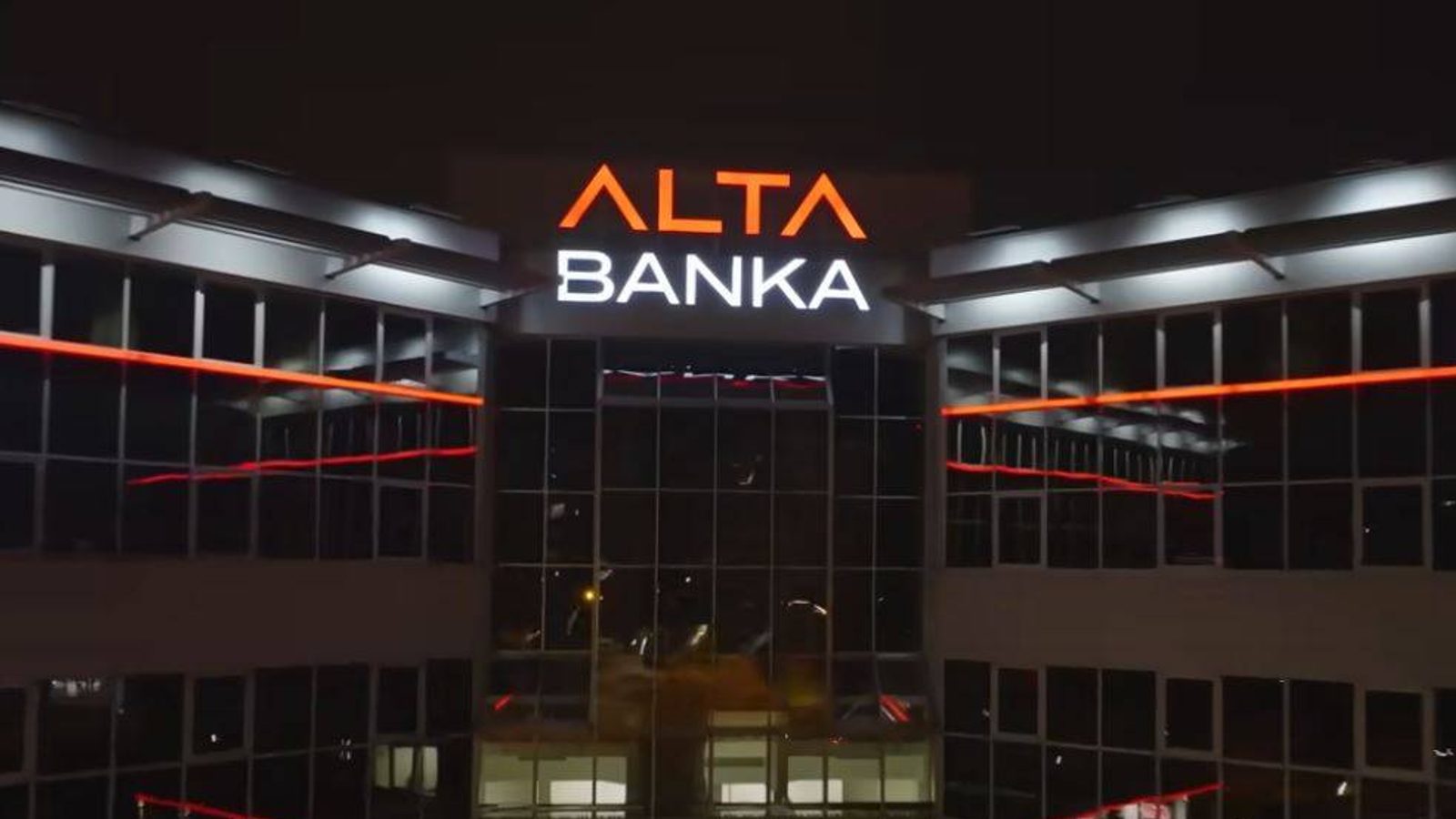
National Bank places Alta Bank AD Bitola under administration
From 1 November 2026 clients limited to 10,000 denars weekly; administrators appointed and temporary measures may last up to three months
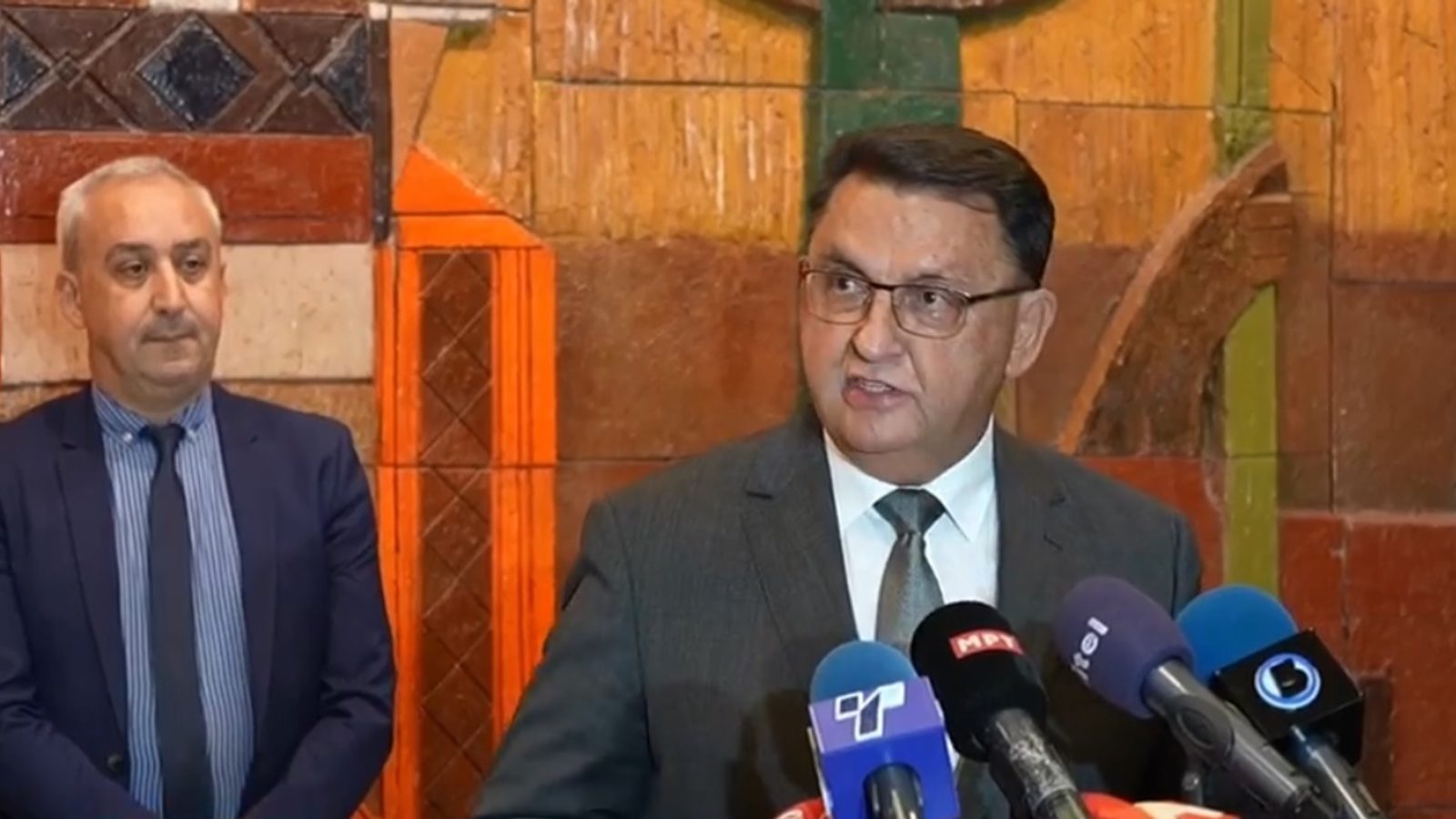
The National Bank of the Republic of North Macedonia announced on 1 November 2026 that it has placed Alta Bank AD Bitola under temporary administration and taken over management of the bank. Governor Trajko Slaveski said the move is intended to protect the bank’s assets and the interests of its depositors.
Operational limits and immediate measures
From now on clients of Alta Banka Bitola will be allowed to make outgoing payments from their accounts up to a maximum of 10,000 denars per calendar week (counted Monday through Sunday). Internal transfers between accounts at the bank remain unrestricted, Slaveski said. The restriction also applies to cash withdrawals from ATMs and is already technically coordinated with other banks for cards issued by Alta Banka Bitola.
Slaveski said three officials appointed by the National Bank will serve as administrators of Alta Banka Bitola. The statutory maximum duration for these temporary measures is three months, but he expressed hope the situation will be resolved sooner because there are unofficial indications of interest from several parties to buy the bank’s shares.
According to the governor, Alta Banka Bitola has liabilities of roughly €1 million to its parent company, Alta Bank AD Belgrade — an amount he described as insignificant for the bank’s liquidity. He added that in recent days there were no major inflows from Belgrade to the Bitola unit, while withdrawals at branches and ATMs picked up amid uncertainty. “A total of about €2 million were withdrawn yesterday,” he said.
Answering whether the National Bank had vetted the origin of the funds of Alta Bank’s owner before it acquired the former Stopanska Banka Bitola, Slaveski noted that Alta Bank Belgrade held a valid license and operated normally within Serbia’s financial system at the time of purchase. “Therefore, according to all supervisory standards, which we thoroughly reviewed and examined, all criteria for approving that entry, namely the purchase of the shares, were met,” he said.
Slaveski appealed to participants in the public debate to refrain from statements that could cause unnecessary concern among citizens. He warned that any agitation damages confidence in the banking system and directly affects savers, whose interests are central to the measures the National Bank has taken.
Photo: press material from the event