NBRM keeps base interest rate at 4.25% as uncertainty remains high
The central bank kept the base rate unchanged and flagged risks from rising energy prices and geopolitical conflicts, while reserves cover 4.5 months of imports.
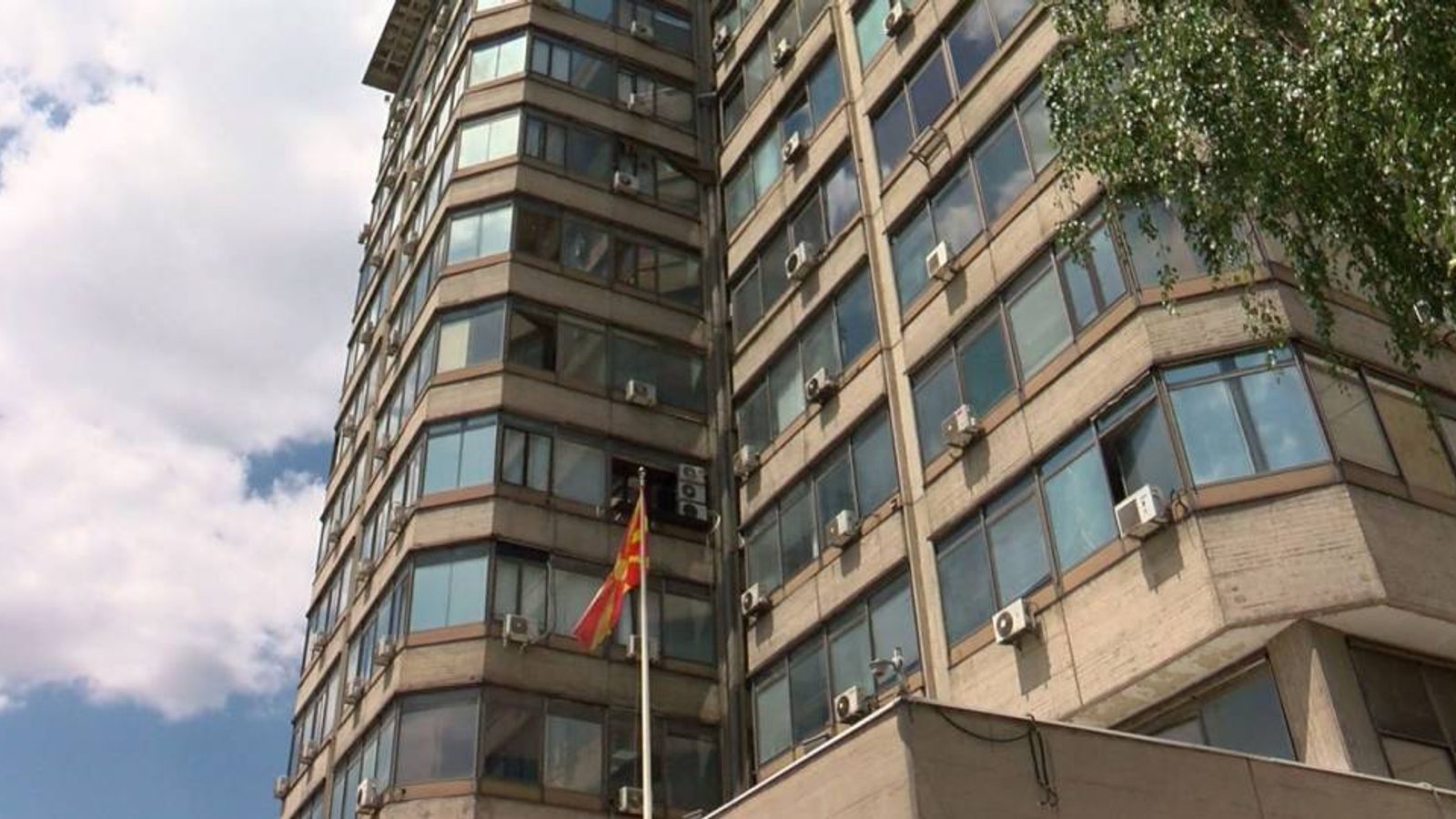
The National Bank of the Republic of North Macedonia (NBRM) left the base interest rate unchanged at 4.25% after its Executive Board meeting, citing the latest macroeconomic indicators, expectations and assessments of domestic and external risks.
Central bank keeps cautious stance amid global uncertainty
The NBRM reported stable foreign-exchange market movements and said it intervened with foreign-currency purchases in July–August. At the same time, corporate demand for foreign currency remains elevated, partly due to higher energy prices. Foreign-exchange reserves stand at €5,101 million, which the bank says is in a safe zone and corresponds to 4.5 months of import coverage for goods and services.
Annual inflation remains at a moderate level, though the bank noted that in August the rise in global energy prices left visible effects on domestic inflation. The Executive Board judged that it is still too early to confirm the durability of the slowing inflation trend, particularly considering the high degree of external uncertainty.
The NBRM highlighted new risks from renewed escalation of hostilities in the Middle East and the ongoing Russia–Ukraine war, which have contributed to another sharp rise in oil and other energy prices and to supply-chain disruptions. These international developments, together with domestic factors affecting demand, may transmit to the foreign-exchange market and domestic prices in the coming period. Given these risks, the bank assessed that the current monetary-policy stance is appropriate and warrants a cautious approach.
Regarding recent macroeconomic data, the bank said that, at the end of August, foreign-exchange reserves amounted to €5,101 million and remain adequate according to coverage indicators. Since the start of May the foreign-exchange market has been stable and, while the NBRM bought foreign currency in July–August, cumulative interventions in 2026 have resulted in net sales of foreign currency because of larger sales earlier in the year. To date, changes in reserves are somewhat better than projected in the April forecast.
In August 2026 the annual inflation rate was 2.6% (2.3% in July). The global rise in energy prices accelerated the energy component of domestic inflation, though overall inflation was slightly weaker than the April projections owing to smaller-than-expected food-price growth. Inflationary pressures persist amid large volatility in import prices, and recent revisions of import prices relevant for inflation are upward with marked uncertainty about commodity-price dynamics on world markets.
The domestic economy remained resilient despite the adverse and uncertain external environment. Real annual GDP growth accelerated to 4.3% in the second quarter of 2026, above the April projection, partly driven by gross fixed capital formation linked to large infrastructure projects. Credit growth has been stronger than projected and should be monitored carefully, while the deposit base growth so far does not materially deviate from the projected path.
The NBRM said it will continue to closely monitor domestic and international economic and financial developments, assess their effects on the foreign-exchange market and inflation, and is prepared to use all available instruments to preserve macroeconomic and financial stability.
Photo: press material from the event