Don’t wait for ants to take over: a quick homemade bait and practical kitchen tips
A simple three‑step plan — clean, confuse their scent trail and seal entry points — plus an easy homemade bait using sugar and baking soda.
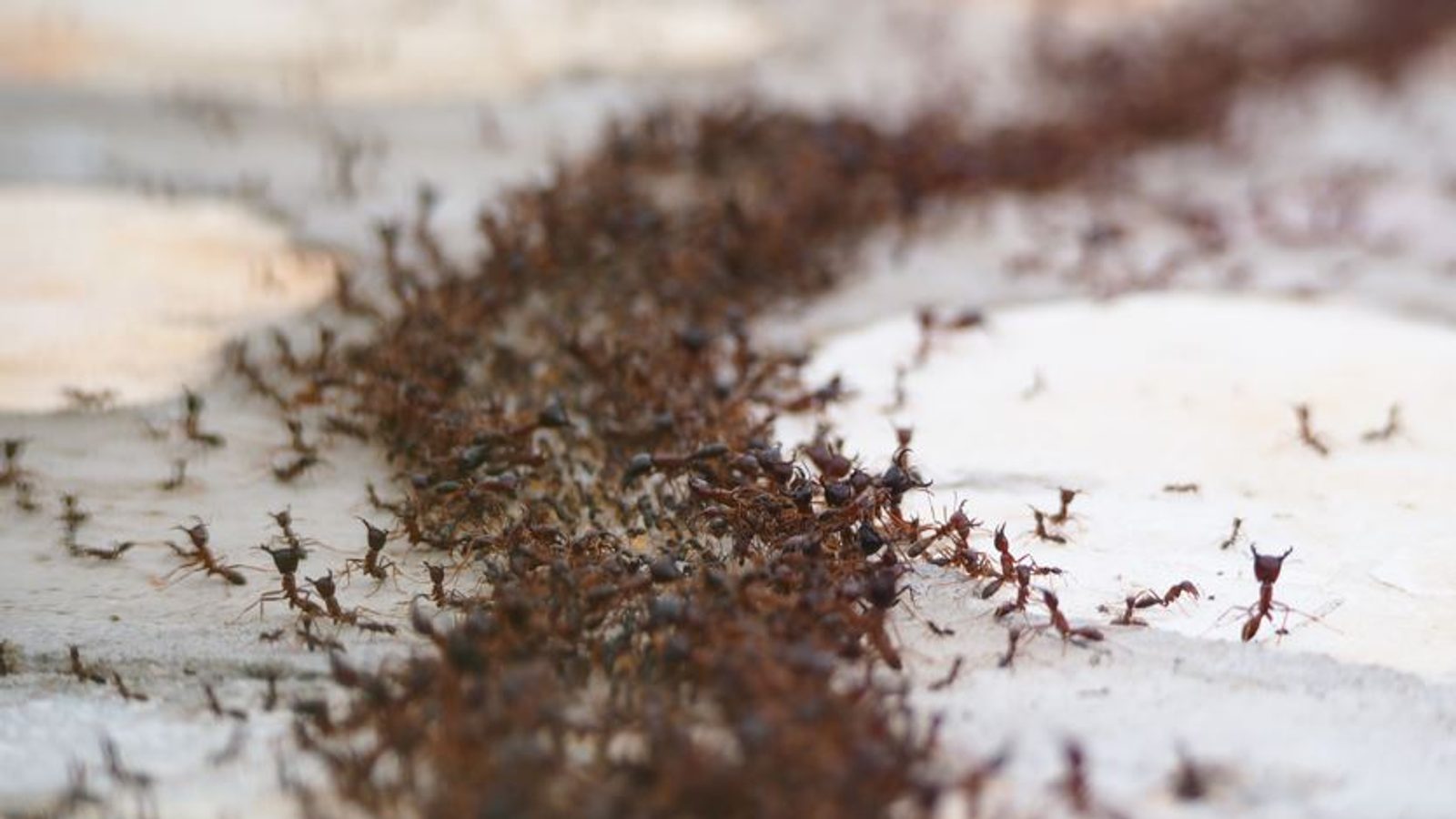
Small black ants in the kitchen during summer are common and unsettling, but they usually mean the insects have discovered a source of food or water — not that your home is dirty. Ants follow chemical trails and coordinate their movements, so a surface wipe alone often only removes visible insects while the colony continues to return.
Ants leave scent (pheromone) trails from a food source back to the nest; when one worker finds food it returns and marks the route. If the trail remains, more ants will follow it within hours. To control them effectively you must do more than chase visible workers: disrupt the trail, remove attractants, and block entry points.
The most effective approach combines three steps: remove access to food and moisture; interrupt their scent lines; and seal the gaps they use to enter.
The kitchen is their favourite target. Practical measures include:
- Wipe preparation surfaces after every cooking session and clean up crumbs immediately.
- Clean the floor around the table and kitchen units regularly.
- Store food — especially sugar, flour, cereals and pet food — in well‑sealed glass or plastic containers.
- Pay attention to the sink and taps: ants seek moisture and are attracted to drops of water, damp sponges or cloths.
- Empty the rubbish bin often, particularly when it contains fruit scraps or sweet packaging.
Certain household scents help break the ants’ navigation. Try spraying or wiping routes with a mixture of alcohol vinegar and water, or use lemon juice for its acidity. Cinnamon, coffee grounds, mint or lavender can act as barriers — sprinkle cinnamon along cracks or use diluted peppermint essential oil in water. Note: be cautious with essential oils if you have small children or pets.
Recipe for a natural ant bait
Ingredients (exact amounts): 1 tablespoon powdered sugar (finely ground, so ants cannot separate it from the baking soda); 1 tablespoon baking soda; a small amount of water (just enough to obtain a thick paste).
Mix the dry ingredients in a small bowl. Add the minimal amount of water until you get a thick, sticky paste. Form tiny balls or spread small portions on cardboard pieces or bottle caps, and place them where you most often see ants (along their routes).
Why this works: the sugar attracts the workers and they carry the mixture back to the nest; once ingested, the baking soda disturbs their internal balance and can affect the colony, not only the surface workers. Although the bait uses household ingredients, keep it out of reach of small children and pets. After a few days, when ants are no longer visible, wipe the treated areas with a vinegar‑and‑water solution.
Photo: press material from the event