Negotino among attractive sites as state servers sit in over 40 locations
Minister Stefan Andonovski says a national data centre is needed to secure services and reduce reliance on foreign infrastructure.
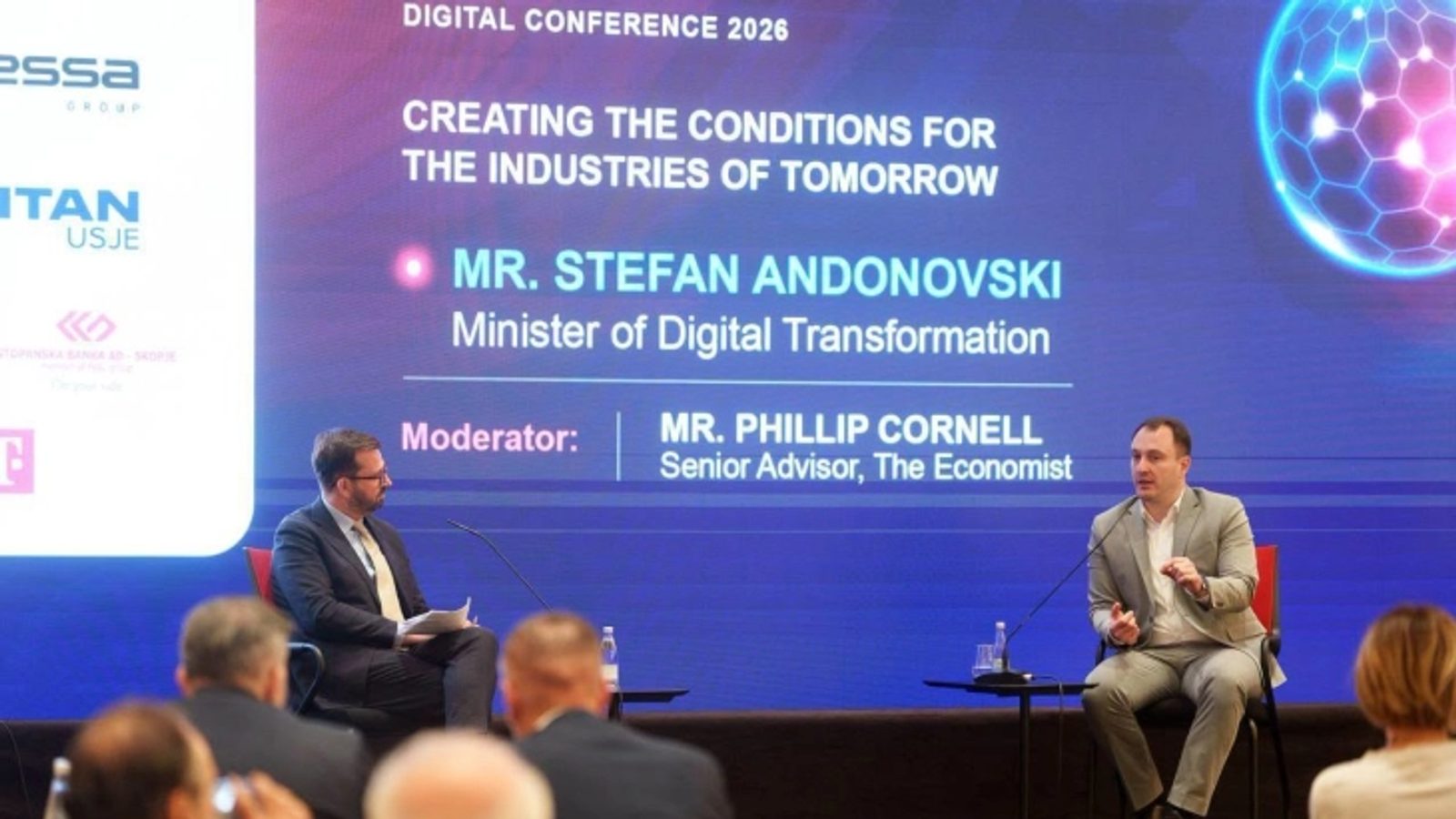
At a conference on November 26, 2026, officials and industry representatives argued that North Macedonia needs a national data centre to secure digital services and support artificial intelligence development. The event, titled “Industry and the Environment: Profit Is Not the Only Goal,” was organised by the Chamber of Commerce together with UNDP.
State servers scattered across more than 40 locations, minister warns
Digital Transformation Minister Stefan Andonovski said current state IT systems are distributed across more than 40 separate locations in Skopje, creating concrete risks to service continuity. "We have more than 40 locations where data and servers are stored, looked after by various institutions. There are often interruptions due to technical problems, HVAC failures or unstable power supply. This is not only an issue of cybersecurity, but also of the security and continuity of state services," he said.
Andonovski noted the national data centre project is listed as an indicative project in the EU growth plan and in the country’s reform agenda, and that further financing options are being explored. He warned that countries which fail to build their own capacities risk becoming dependent on foreign tech companies and infrastructure.
"There is a real risk of creating a divide between those who will have access to the resources needed for artificial intelligence and those who will not be able to afford it. That is why we must invest in our own capacities in time," Andonovski stressed. He added that the state is already seeking access to AI capacities through regional initiatives and EU support, but that domestic infrastructure is necessary in the long term.
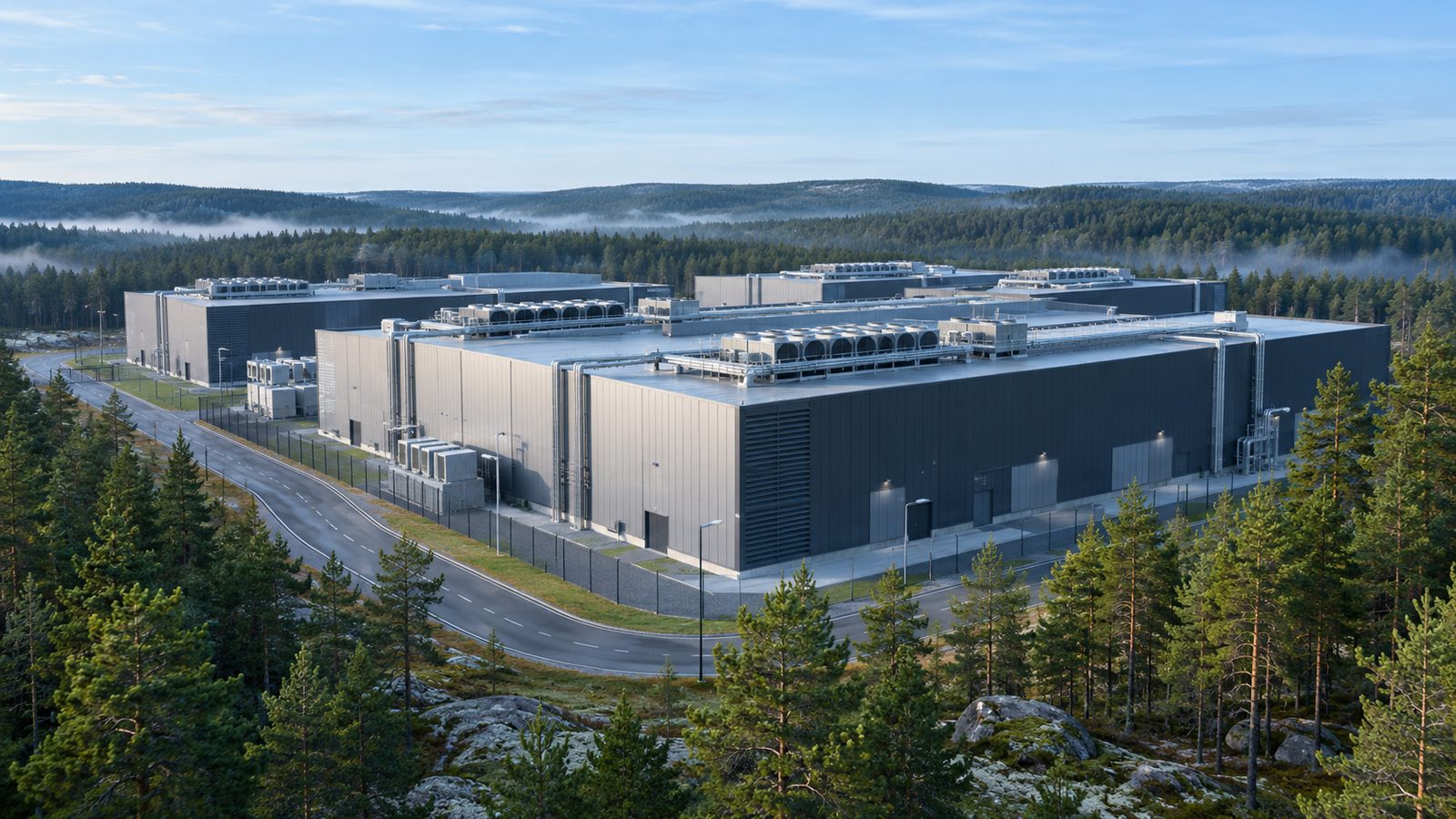
Industry speakers said the development of data centres can attract foreign investment, enable technology transfer and open opportunities for Macedonian IT firms and engineers. Petar Peshev of Ultra cautioned that not all data centres are the same: AI-focused centres typically consume much more power and require more complex cooling systems. "Not all data centers are the same. When talking about their impact, one must know what kind of data center it is, how much energy it consumes, what cooling system it uses and what its environmental effects are," he explained.
Analyses presented at the conference identified potential sites for small and medium data centres in abandoned industrial facilities and near industrial development zones in Skopje and Ohrid, with the area around Negotino singled out as particularly attractive.
Speakers also highlighted workforce implications. Andonovski pointed out that the country produces nearly a thousand IT engineers each year, who will need further specialisation in fields such as cybersecurity, cloud computing and data centre management to support local capacity.
Branko Azeski, head of the Chamber of Commerce, urged an open public debate on industry, ecology and digital infrastructure and said such discussion is needed to shape economic policy. UNDP’s resident representative, Armen Grigoryan, described the green transition as an investment opportunity, while Ben Nupnau, deputy head of the EU Delegation, argued that sustainability is a prerequisite for long-term profit. "Without sustainability there is no lasting profit. Companies that invest in energy efficiency, innovation and green technologies in time will be more resilient, more competitive and more attractive to investors," Nupnau said.
Photo: press material from the event