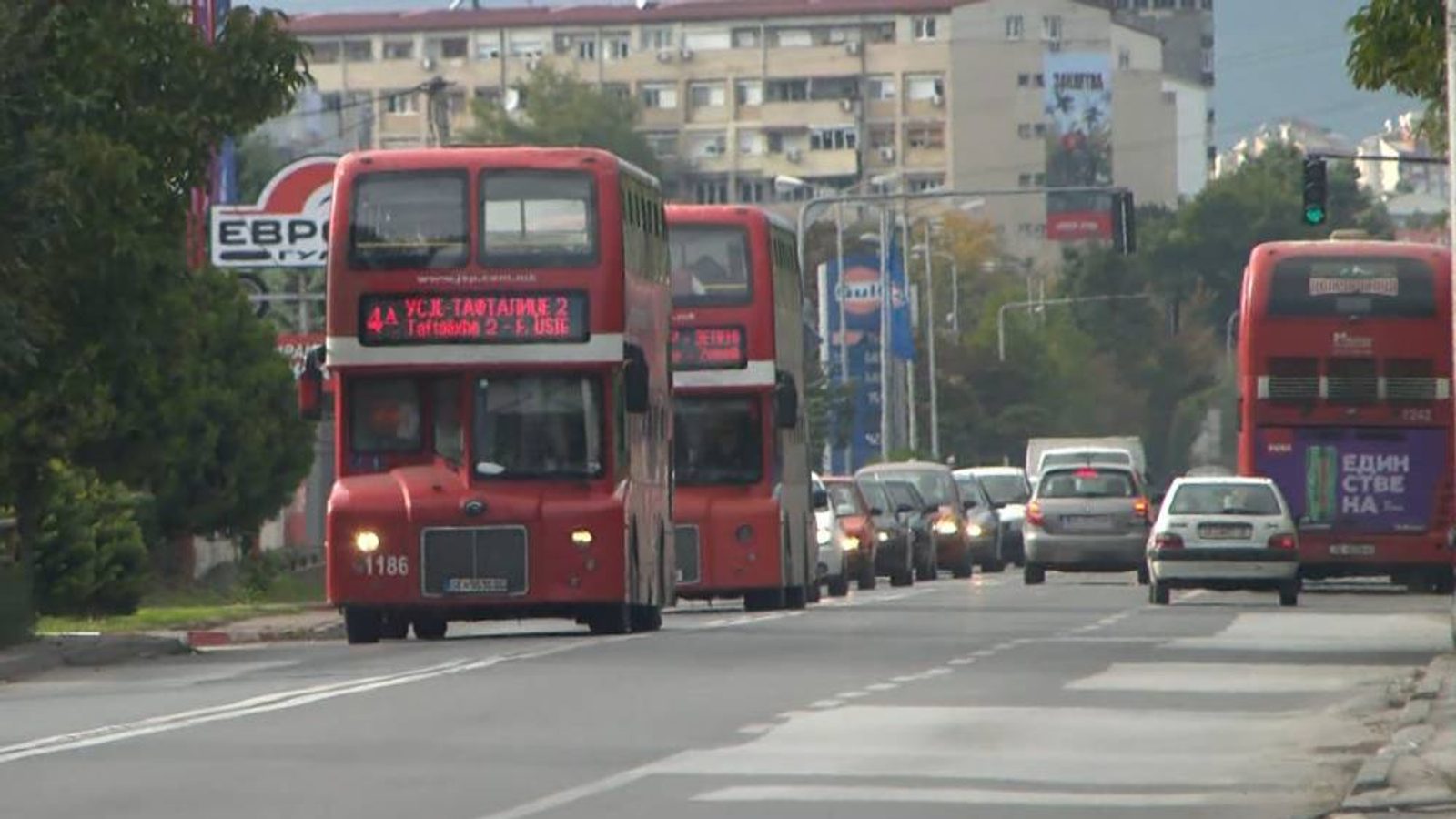
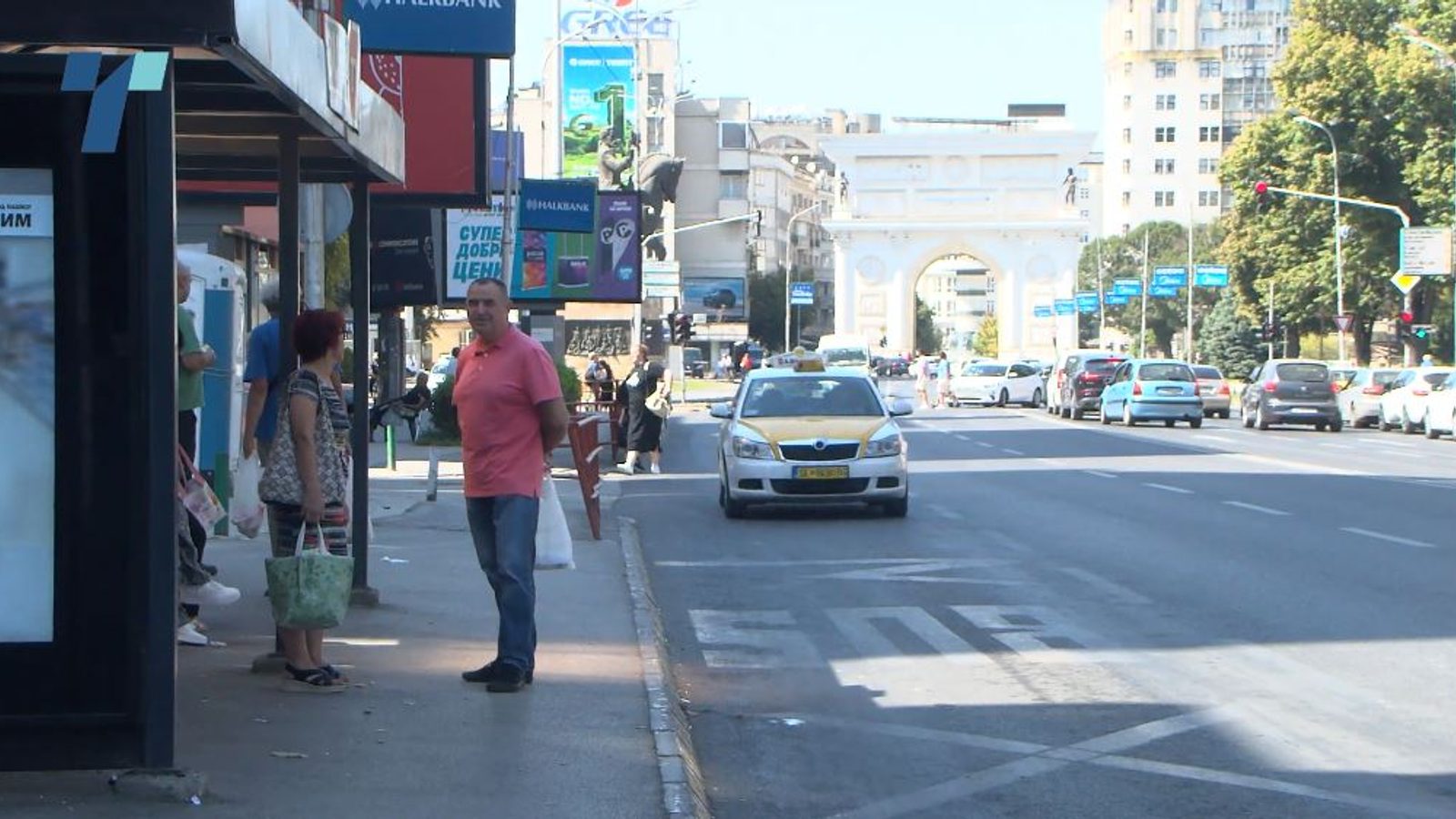
No reliable public transport to Macedonian Village; only branded minibus keeps breaking down
JSP runs a branded minibus to the site but the vehicle often breaks down, leaving weekend visitors to walk back to town
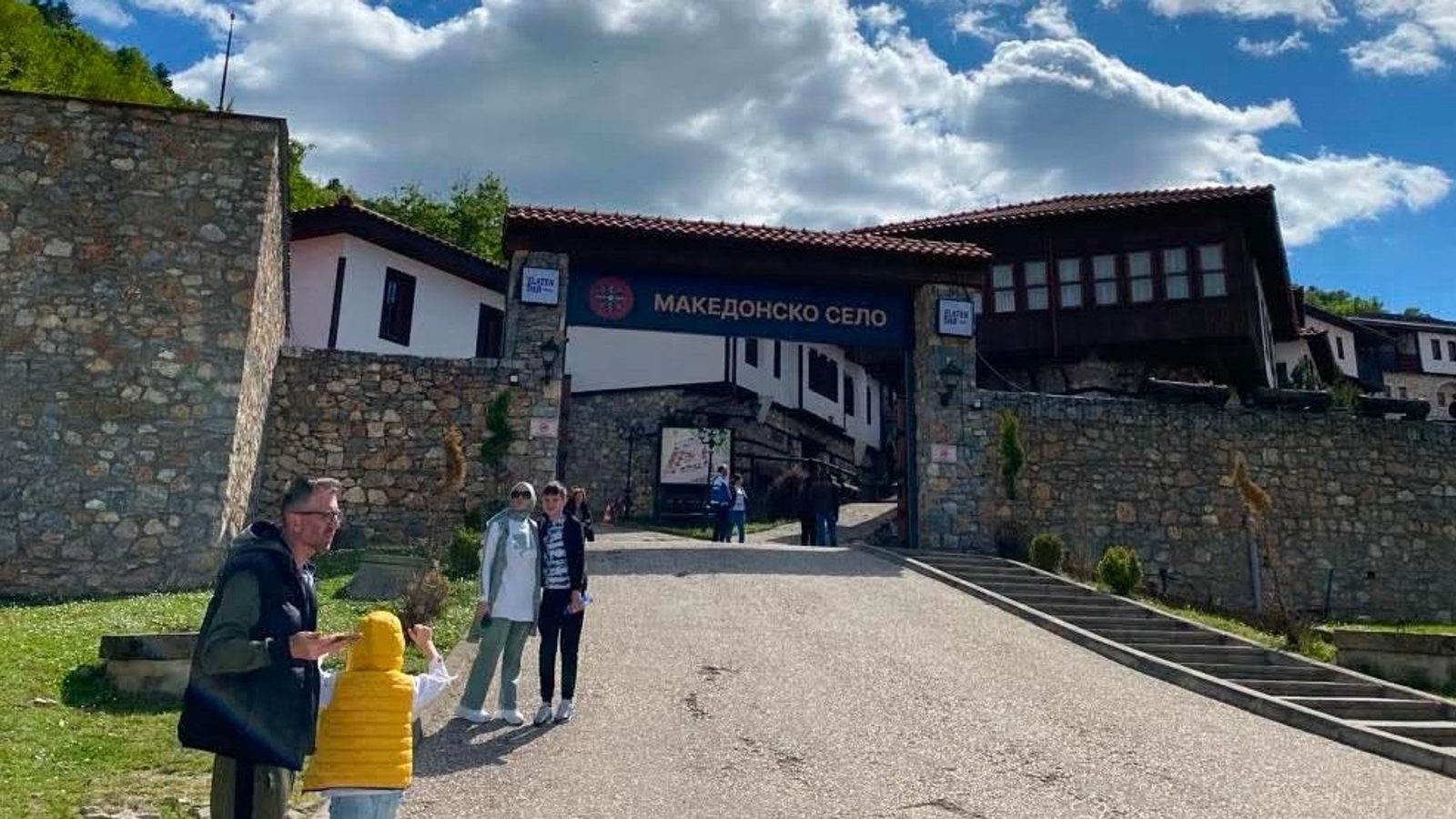
There is effectively no public transport to the Macedonian Village complex in Gorno Nerezi; visitors can reach it by car, but regular bus service is absent. The city line 25 nominally serves the area, but JSP Skopje currently operates only a small branded minibus on the route — and that vehicle breaks down frequently.
Passengers say the minibus’s unreliability leaves people stranded. A woman who used the service described the problem: "I took the minibus up to Gorno Nerezi. The timetable posted on JSP’s website said that on weekends the last bus leaves Macedonian Village at 15:00. But the bus didn’t come and about ten passengers had to walk down on foot."
Officials at the Government's Service for General and Common Affairs acknowledged the shortcomings when the complex reopened. Ivica Tomovski, director of the Service, told attendees at the reopening last year that "I know transport is still a problem. With the arrival of the new buses, I expect this problem to be solved," and expressed satisfaction with the site’s operation after reopening.
Transport promises and visitors’ experience
At the June reopening event Tomovski also said: "I HOPE THAT WITH THE NEW MAYOR OF SKOPJE THERE WILL BE REGULAR BUS LINES TO THE MACEDONIAN VILLAGE COMPLEX," a remark that underlined officials’ pledge to expand service. So far, however, only the small branded minibus (intended to shuttle guests) is in regular use, and its frequent faults force some visitors to rely on private cars or to hike down the hill when the vehicle fails.
The Macedonian Village project began in 2011 during the VMRO-DPMNE government led by Prime Minister Nikola Gruevski and was officially opened on 22 June 2016. According to official figures, the Government invested 5.2 million euros in construction and an additional 1.3 million euros for interior fittings. The three electric carts bought for moving guests’ luggage cost 24,000 euros; signage for the complex cost 4,200 euros; and benches and waste bins 2,700 euros.
The complex comprises 12 two-storey houses, each representing a different region of the country. Under the original plan, ground floors should display regional crafts while the upper floors are to function as hotel rooms — but unreliable public transport remains an obstacle for attracting day visitors who do not arrive by car.
Photo: СДК.МК)