Alta Bank hearing: Financial Police has no open case, NBRM defends administration
The Financial Police says it received no notification or complaint about Alta Bank; former Eurostandard owner questions why his bank went to bankruptcy in 2020 while Alta entered administration.
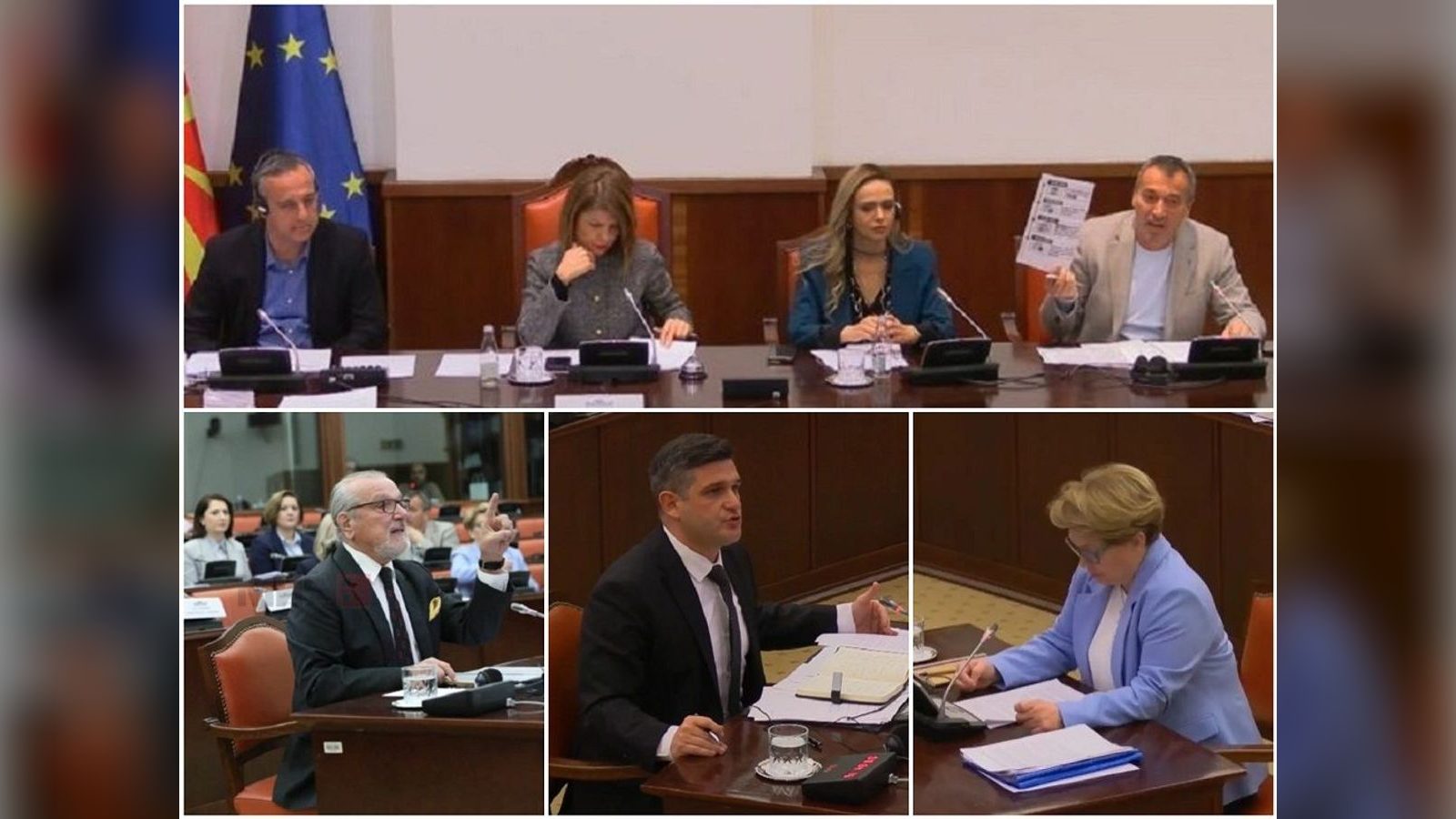
Parliamentary witnesses at a continuation of the oversight hearing on Alta Bank A.D. Bitola clashed over whether the central bank’s move to place the lender under administration was justified, and the Financial Police Directorate said it has no open case or received complaints regarding Alta Bank.
Former main shareholder and former chairman of Eurostandard Bank’s supervisory board, Trifun Kostovski, who testified at the Assembly’s Committee on Finance and Budget, pressed the National Bank (NBRM) for answers about why Eurostandard was placed into bankruptcy in 2020 while Alta Bank was put under administration.
“Why administration for Alta, bankruptcy for Eurostandard?”
Kostovski told MPs he does not want Alta Bank to fail and supports legal measures to protect depositors, creditors, employees and the banking system, but said the Alta case raised the same questions he has been asking for six years about the collapse of Eurostandard.
"If administration today is a legal instrument by which Alta Bank is given time and opportunity for stabilization, why wasn't the same instrument applied to Eurostandard Bank in 2020?" he asked, noting that shareholders and staff of Eurostandard had paid fines following a 2019 supervisory report, implemented corrective measures and injected around €13.5 million in fresh capital six months before the bankruptcy order, during COVID restrictions.
Kostovski also disputed the capital adequacy figures cited in NBRM documents around the 2020 decision. "On 12 August 2020 in the documentation on which the National Bank's decision is based a capital adequacy of about minus 4% appears. Only two days later, according to documentation we have, the bankruptcy team shows capital adequacy close to 7%. From minus 4 to plus 7% in two days in a bank that had already stopped operating? Which figure is accurate? By which methodology was it obtained? And who independently verified the calculation on the basis of which a bank ceased to exist?"
Answering MPs, Kostovski denied personal ties to Alta Bank’s Serbian owner Davor Macura, and said he had no meeting with then-prime minister Zoran Zaev or then-finance minister Nina Angelovska; he added that on 12 August — the day Eurostandard went into bankruptcy — his son met with then-interim prime minister Oliver Spasovski. Kostovski said he has pursued justice over six years for his bank’s collapse and insisted he never intended fraud.
Financial Police director Slobodan Ivanovski told the committee that the Financial Police Directorate has not opened an investigation, has not received a formal complaint or notification, and has no information of a criminal offence linked to Alta Bank. "To this day I can state with the utmost responsibility that the National Bank has neither sent us notification, nor asked us to conduct any possible checks on certain persons who were part of the management or supervisory board," he said.
Ivanovski added that the directorate acts on instructions from the public prosecutor or on legal indications, and that suspicious transaction reports are first analysed by the Financial Intelligence Unit and then forwarded to the Financial Police or the Prosecutor’s Office if needed. "So far we have not received such a report specifically for this bank regarding certain suspicious transactions," he said, while stressing that a suspicious transaction does not necessarily mean illegal bank operations.
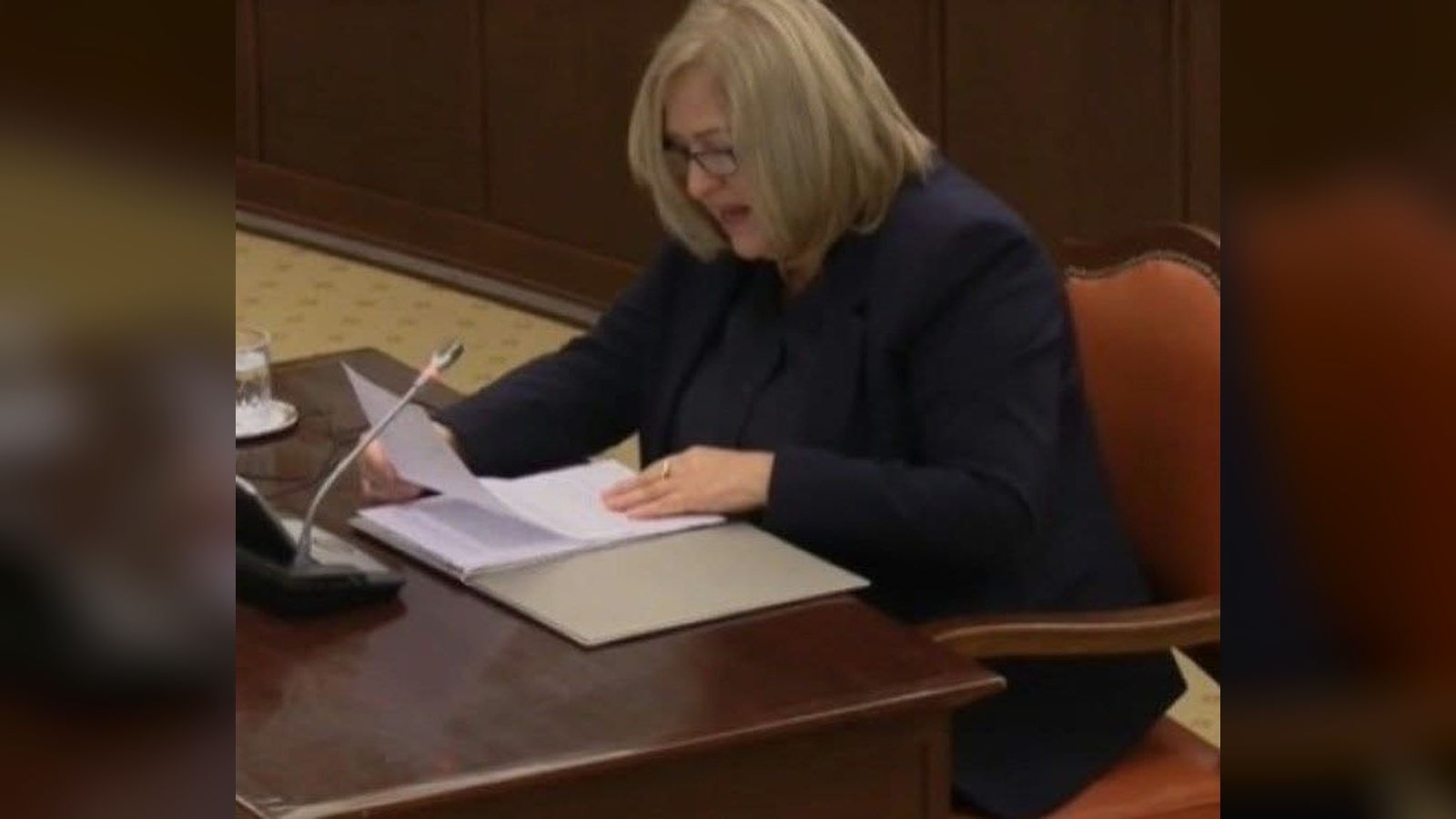
Frosina Celeska, director of the NBRM’s Directorate for Banking Regulation and Resolution, told MPs that Alta Bank A.D. Bitola is solvent and liquid, with credit-quality indicators that do not deviate significantly from the banking system average. She said the administration's measures aim to stabilise operations and keep the bank functioning until a new owner is found and the ownership structure is changed, to avoid licence revocation and bankruptcy.
"The situation with Alta Bank is such that it can continue to operate, and within the administration controlled and well-designed measures have been taken whose aim is for the Bank to operate without interruption until another owner is found, i.e. until the ownership structure is replaced, and all this in order to avoid the strictest measure, i.e. revocation of the licence and the creation of conditions for initiating bankruptcy proceedings," Celeska said, adding that restrictions are being gradually lifted and legal entities will now be able to use new inflows to their accounts.
Photo: Printskrin