Merz presents government retreat as a fresh start
Chancellor Friedrich Merz says the cabinet retreat in Neuhardenberg marks a fresh start; reform bills on pensions and security are due when the Bundestag reconvenes on 7 September.
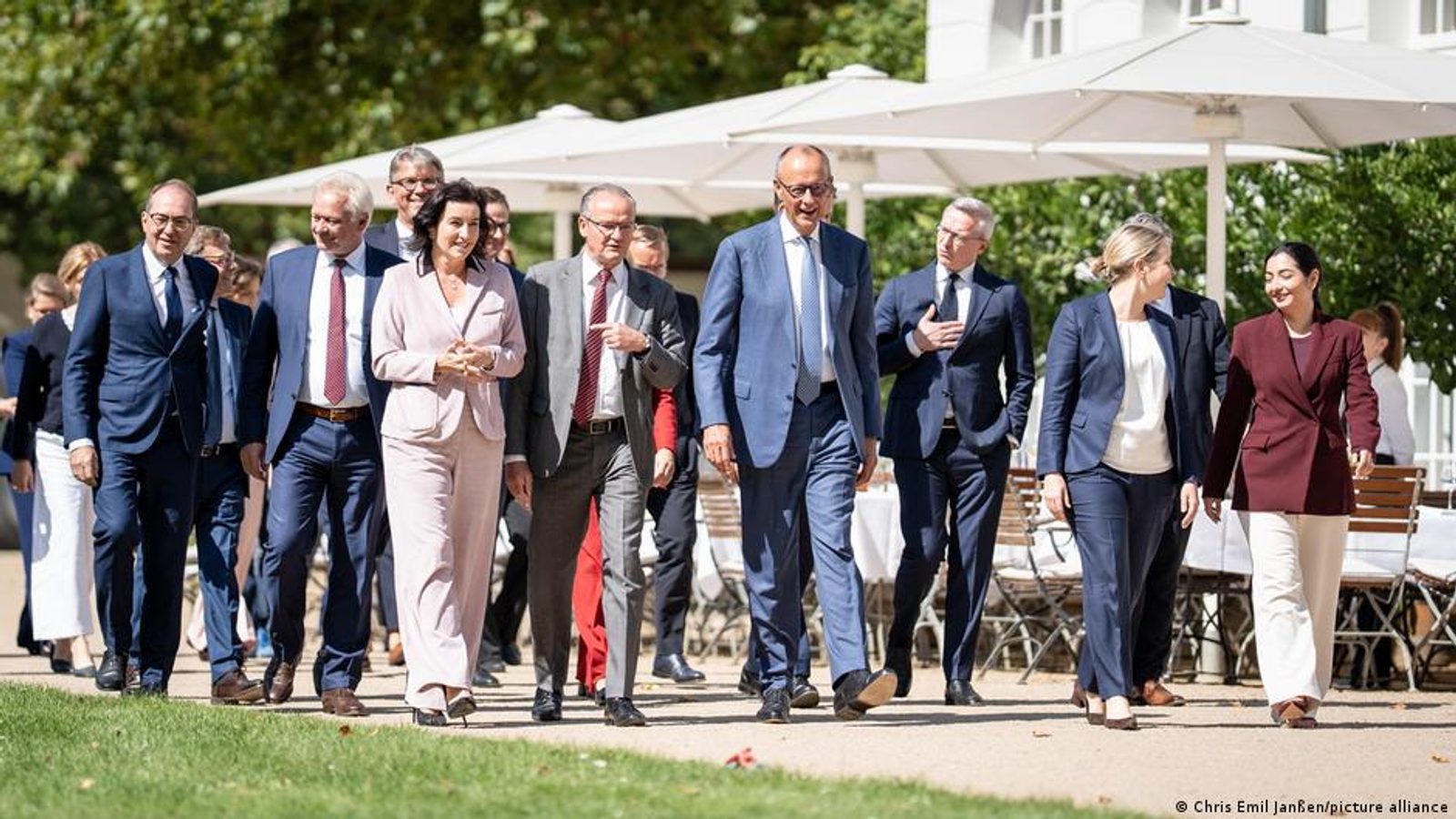
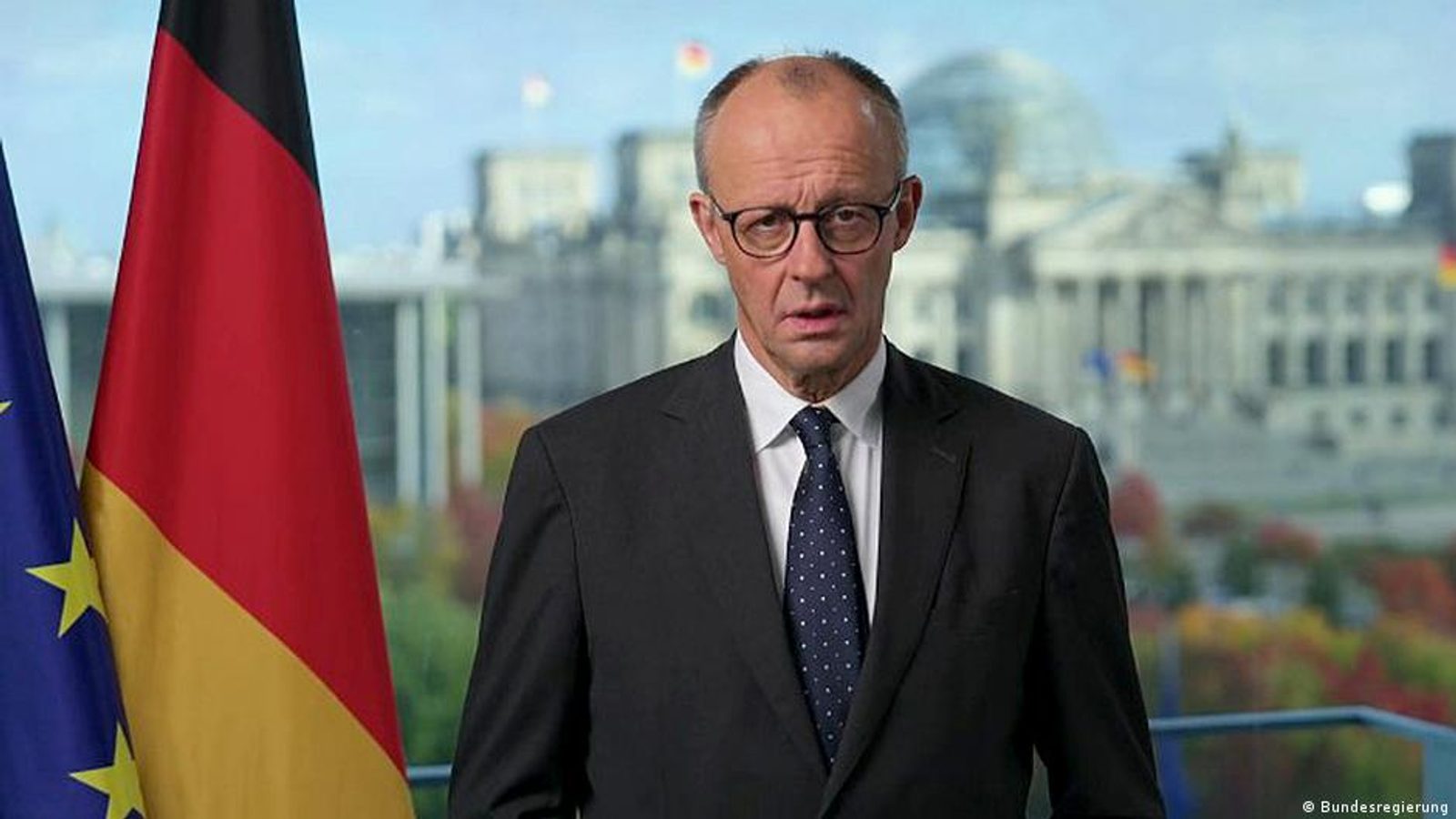
Chancellor Friedrich Merz presented a deliberately upbeat reading of his government’s two-day cabinet retreat in Neuhardenberg, Brandenburg, saying the meeting was intended to mark a fresh start for the coalition. Merz told reporters on 27 August 2026 that "Germany, from tomorrow, is optimistic and self-confident," and argued the government must change the prevailing mood at home. "We must break out of this climate of dissatisfaction and indignation," he said, and added that "we are throwing off the old burden, we are eliminating constraints."
Merz pointed to recent economic indicators as evidence for his optimism: the business climate index recorded an unexpected rise in August — the fourth gain in a row — and the German economy has grown for three consecutive quarters, with forecasts for 2027 revised upwards. He repeatedly praised innovations and the prospects of artificial intelligence, calling it "the fourth industrial revolution."
Plans and deadlines
Both Merz and Economy Minister Lars Klingbeil (SPD) emphasised that the coalition majority in the Bundestag bears concrete political responsibility in the coming weeks. The government wants to push through major reform bills, and Merz said that when the Bundestag returns to plenary sessions on 7 September — after the awaited state elections in Saxony-Anhalt — key proposals on the future of pensions and social security should be adopted, preferably before the end of the year. Interior Minister Alexander Dobrindt urged rapid approval of additional security legislation.
Security concerns were a central theme of the talks. Merz watched a presentation on drone technology at the start of the consultations and later spoke about the incident at Leipzig airport on 4 August, where a drone loaded with explosives was detected near a Ukrainian cargo aircraft and deactivated. The episode, and reports that a second explosive drone was later found near the airport, underscored what Merz described as a "very real threat." He warned, "We will impose a price on the perpetrators of hybrid attacks — they will pay for it," and added: "And we will present this soon and take a position."
Klingbeil framed the measures in broader geopolitical terms and said politicians must "do everything to protect ourselves from Putin and all those who want to attack our country." Interior Minister Dobrindt, who is responsible for domestic security, spoke more cautiously, noting that the government is dealing almost daily with hybrid threats, sabotage, espionage and covert actions "by foreign powers. And most of these descriptions are accurate," he said, while concrete new details were not shared.
Climate protection and adapting to increasingly frequent hot periods were also on the agenda. Merz thanked firefighters and local responders who fought recent blazes in western Germany and stressed that while there is no shortage of programmes or money for climate protection, responsibility for implementing many measures rests with the federal states. A special fund of €100 billion set up by the Bundestag at the beginning of 2025 is available for this purpose, though some states are asking for greater federal contributions.
Cabinet chief Nina Warken described the coming months as intense: "It will be an autumn with a lot of work," she said during the closed-door coordination meeting, adding simply, "I am optimistic." Ministers from both coalition parties appeared in carefully staged morning photos around the Neuhardenberg estate — SPD figures such as Klingbeil and Carsten Schneider on racing bikes, CDU ministers Johann Wadephul and Carsten Linnemann jogging — a visual meant to underline the new mood of cohesion inside the government.
Photo: press material from the event