New attacks on ships stall talks to end war with Iran
Attacks in the Gulf of Oman and Bab el-Mandeb raise oil prices and undermine hopes of a quick settlement with Tehran
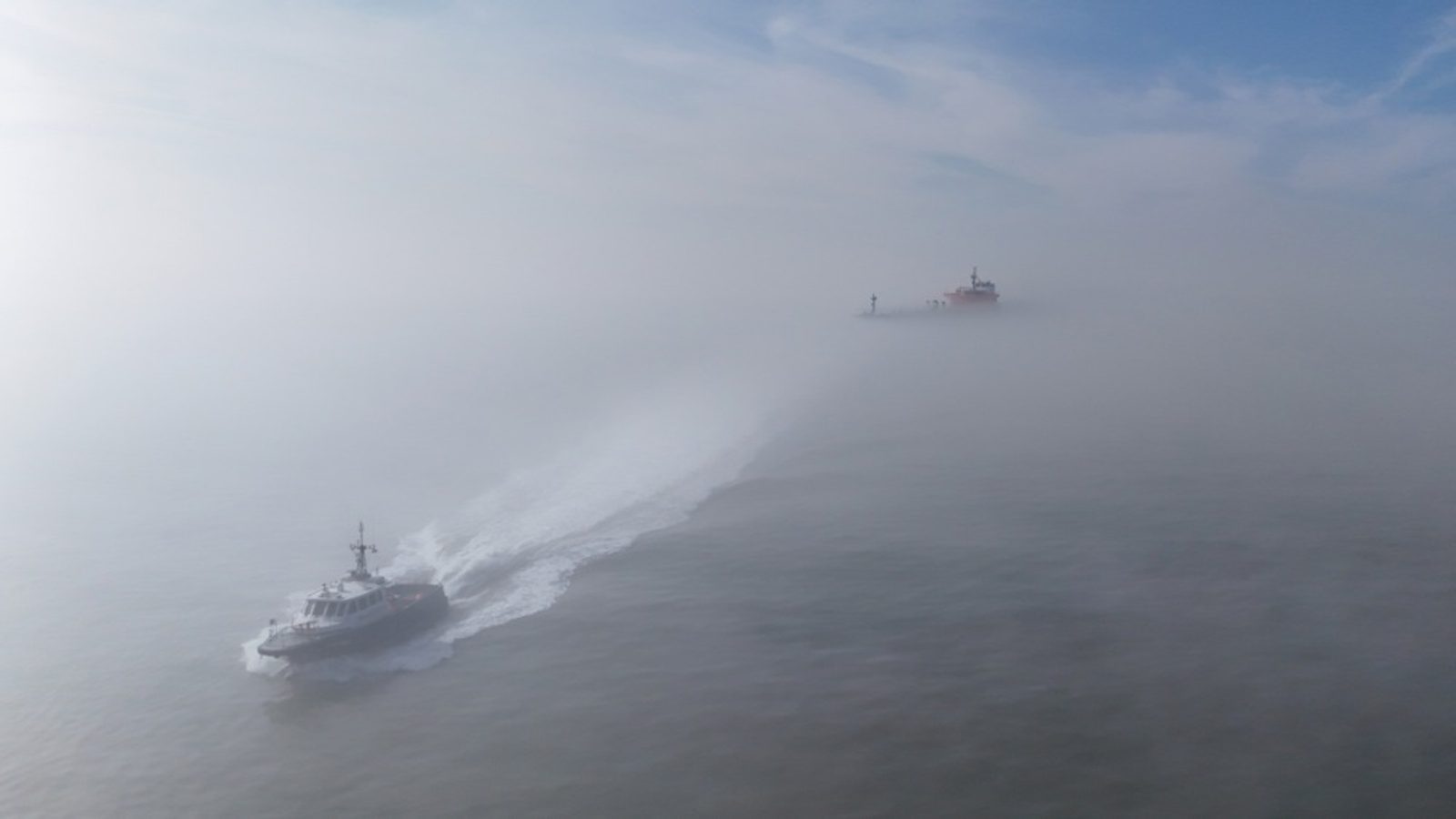
Separate attacks claimed by the United States and Yemen's Houthi movement have struck vessels near two of the world's most important oil chokepoints, while prospects for a quick end to the war with Iran appear to be fading. Tehran has warned the Strait of Hormuz will remain closed unless Washington accepts its conditions for a ceasefire.
The incidents occurred in the Gulf of Oman — the approach to the Strait of Hormuz — and at the entrance to the Red Sea, both critical routes for global oil supplies. Markets reacted: Brent crude futures rose 1.4% to $88.91 a barrel and U.S. crude gained 1.3% to $83.20, while global equities pulled back on renewed doubts over a swift resolution.
Ship disabled after refusing to stop for blockade
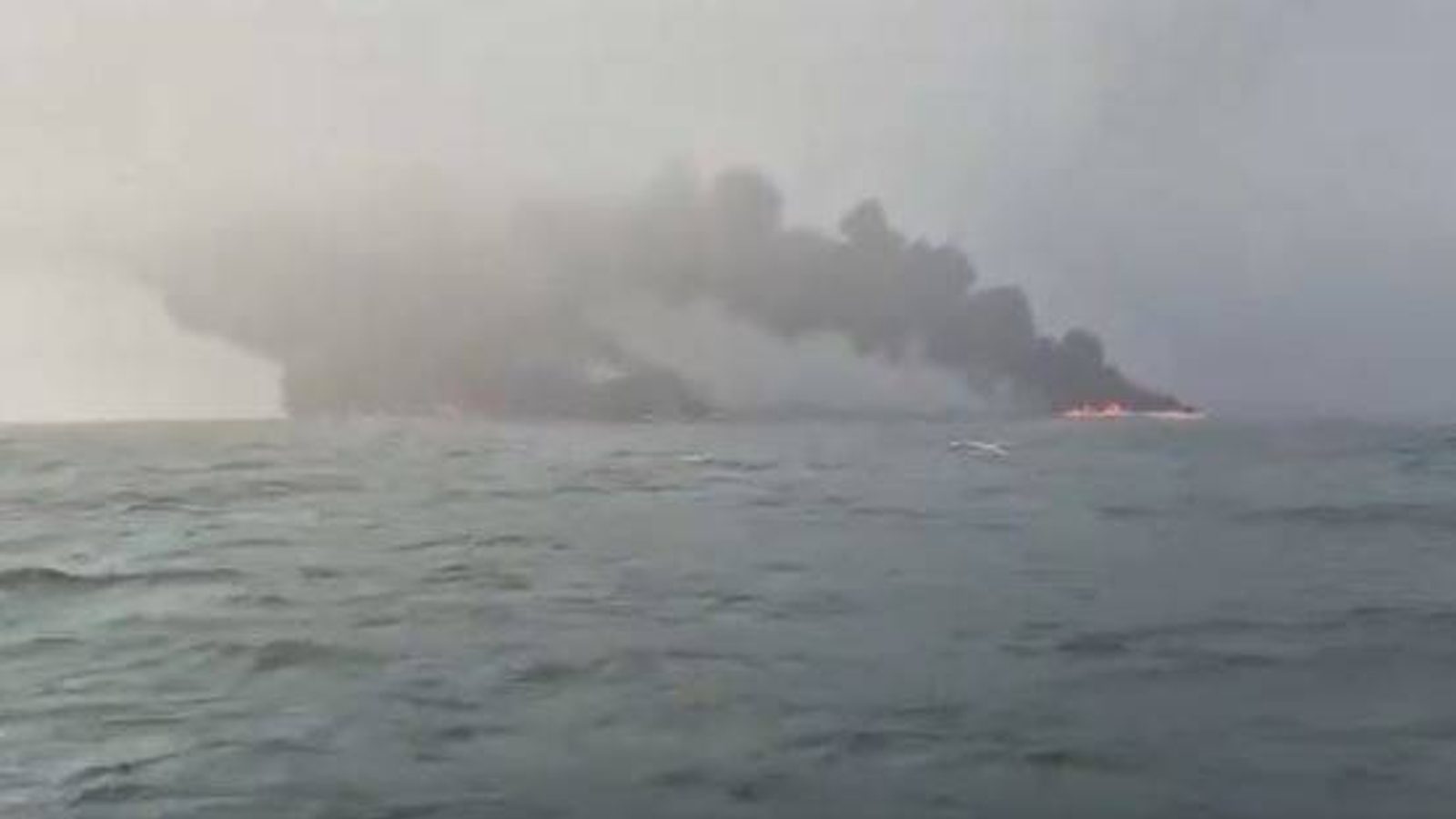
The U.S. military said a U.S. Navy MH-60 helicopter fired two Hellfire missiles to disable the steering of a Panama-flagged cargo vessel that had ignored repeated warnings to stop while trying to breach a blockade of Iranian ports. U.S. Central Command said the freighter was hit near Pakistan while sailing in the Gulf of Oman, according to maritime sources.
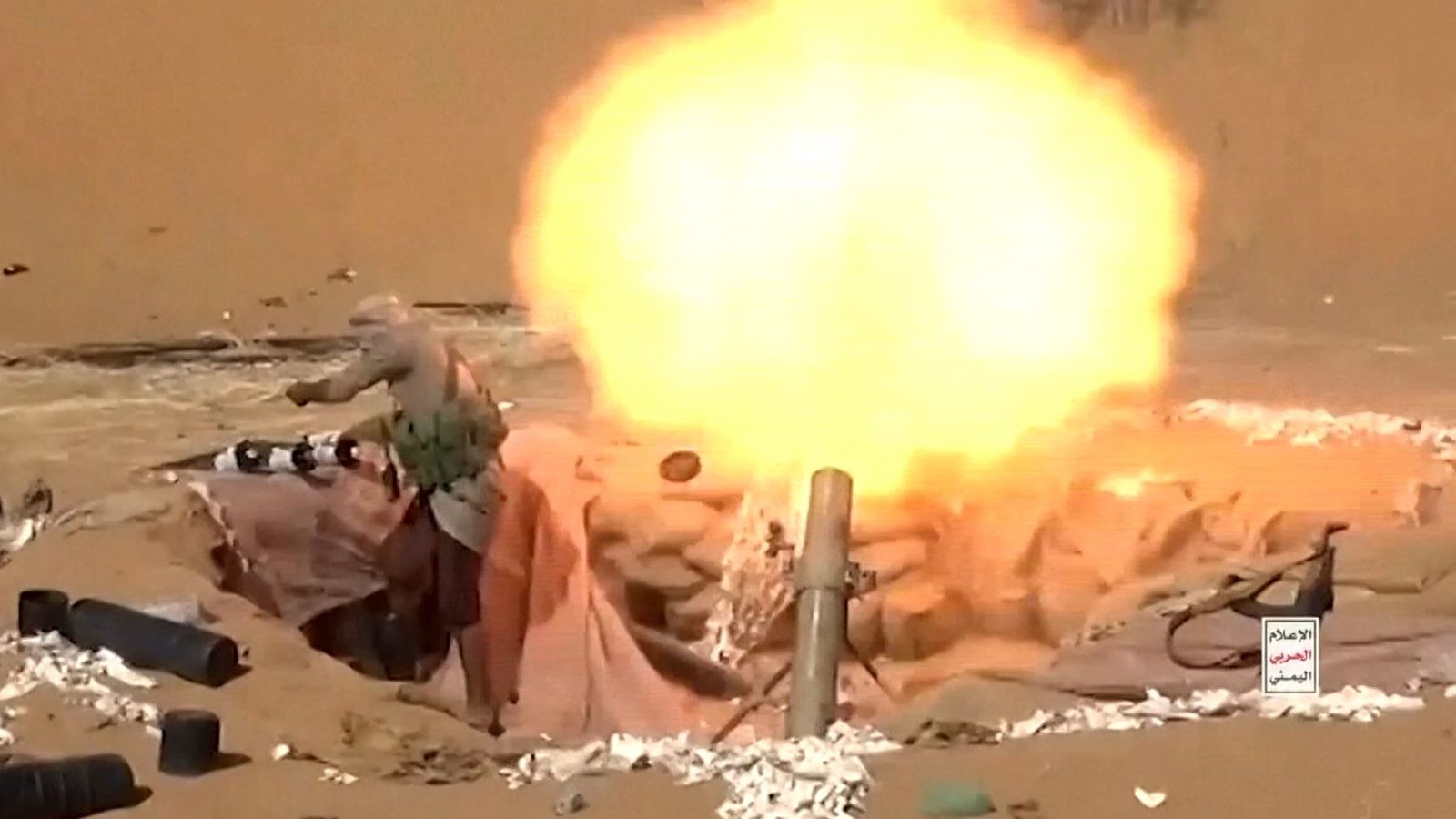
On the southern end of the Red Sea, Yemen's Transport Ministry reported that four crew members were killed in an apparent Houthi attack on a small cargo ship in the Bab el-Mandeb strait on Tuesday. Yemen's coast guard said two Yemeni rescuers from an anti-Houthi military group were also killed. The deaths aboard the Egyptian-owned vessel Tihama would be the first fatalities on ships linked to the Houthi movement since the war with Iran began.
The Houthi-run Saba news agency said the group — which last month vowed to impose a maritime blockade on Saudi Arabia in the Red Sea — struck a Saudi ship carrying military equipment through Bab el-Mandeb; it did not name the vessel and there was no immediate Saudi comment.
Iran has set out six conditions for reopening the Strait of Hormuz. Iran's top security official Mohsen Rezaei warned that the strait would stay closed unless the United States accepted Tehran's demands, which include releasing frozen Iranian funds and ending conflicts across the region, including in Lebanon and Gaza.
U.S. President Donald Trump has alternated between threats of escalation and assurances that a peace agreement is inevitable. He demanded that Iran pay compensation for people killed in "50 years of wars, attacks and protests" and said uncertainty could persist while Tehran weakens economically or is struck hard. He said: "I am kind of negotiating. They are very clever negotiators. We completely control the Strait of Hormuz... Nobody else, only us." On the prospect of military action he added: "At some point, they might do something, and then they'll be blown up." Asked about a recent change of plane in Turkey amid reported concerns about an assassination threat from Iran, Trump said: "Every significant President has a lot of threats. I'm not worried about anything."
Photo: EPA/OLIVIER HOSLET