New tanker attacks in the Strait of Hormuz raise risk to oil shipments
UKMTO reports two projectiles struck tankers near Khasab; JMIC warns further attacks are very likely.
Two reports of tankers struck by unknown projectiles were received today in the Strait of Hormuz, a vital artery for global oil shipments, the UK Maritime Trade Operations centre (UKMTO) said, as shipping through the waterway remains sharply reduced because of security risks.
Incidents close to Oman's coast; no confirmed fatalities
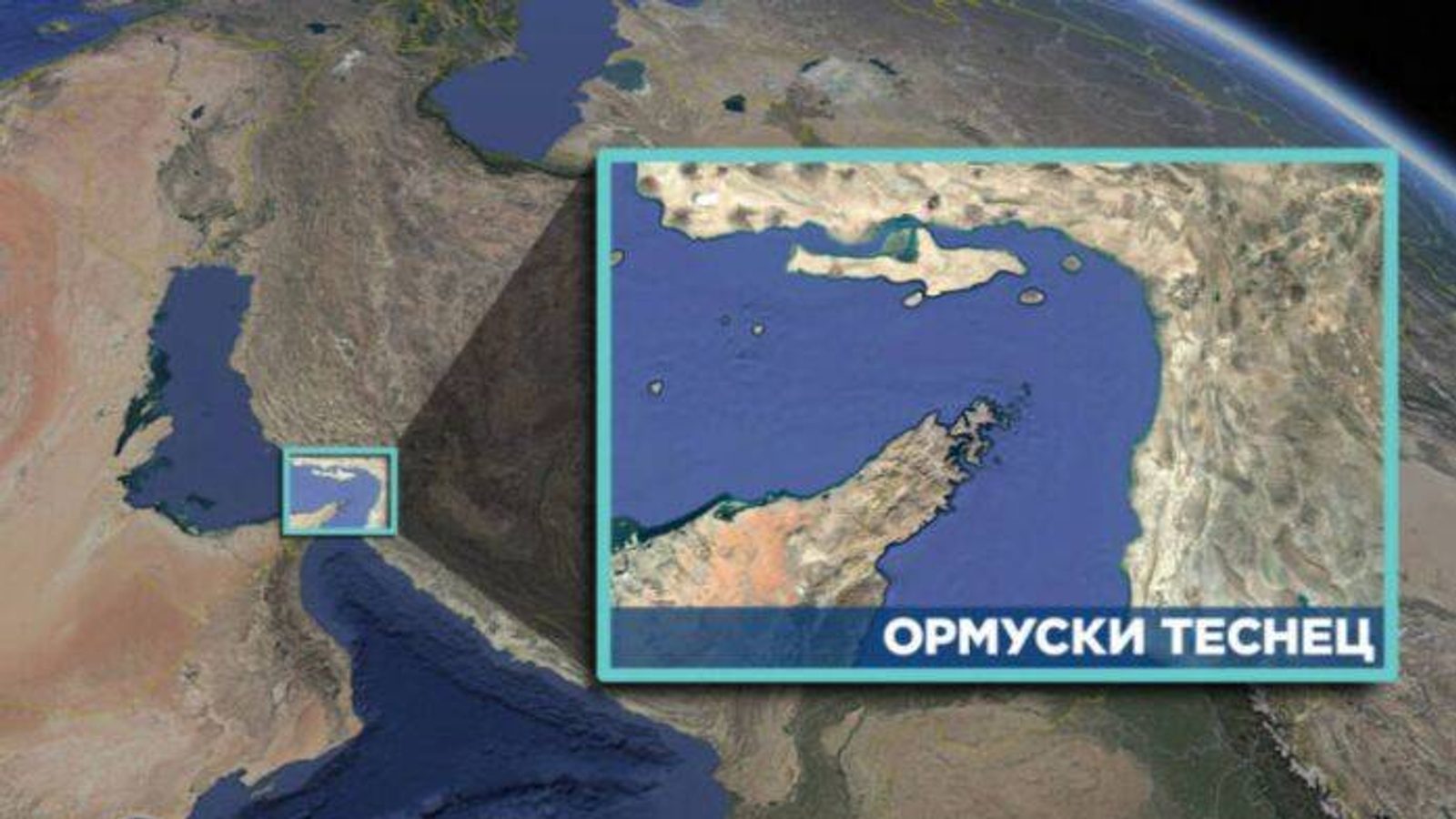
UKMTO said the first report described a hit to the stern of a tanker about 20 kilometres north of Khasab as the ship was transiting out of the strait. A second report placed a strike to the engine room of a tanker roughly 31 kilometres east of the same town. It was not yet clear whether the two reports referred to separate vessels or the same ship.
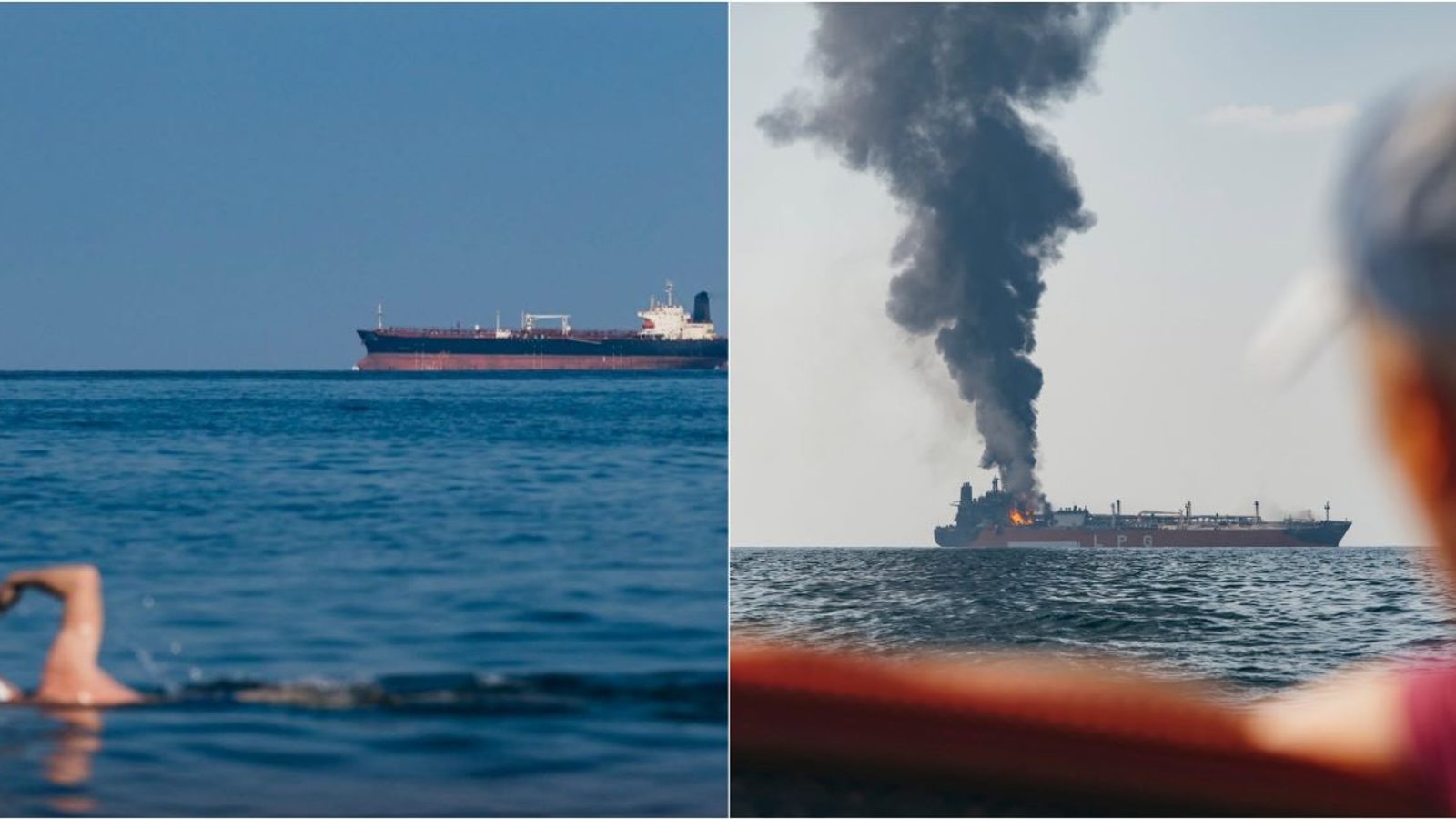
There were no immediate reports of deaths in either incident, and authorities said the environmental consequences, if any, were still unknown. The latest incidents follow an attack on Friday in which a tanker was hit in its forward port side and caught fire. The attackers and the type of projectile used have not been identified.
The recent days of strikes have already taken a toll on crews. The liquefied petroleum gas tanker Tara Gas was hit twice on 16 and 17 November, leaving one seafarer missing and two injured. In a separate attack on 17 November the tanker Navig8 Messi suffered injuries to 11 crew members and one person remained missing. The Joint Maritime Information Centre (JMIC) assesses the threat level in the Strait of Hormuz as serious and warned that "further attacks are very likely."
UKMTO data show 263 transits through the strait between 12 and 18 November, down from 308 the previous week — a fall of almost 15 percent. The agency says traffic remains roughly 65 percent below levels seen before the conflict began in February. A lower number of ships, however, does not necessarily mean an equivalent reduction in oil volumes transported.
The strait links major Persian Gulf oil producers to world markets. The International Energy Agency estimates that in 2025 roughly 20 million barrels per day of crude oil and oil products transited the waterway — about one quarter of seaborne oil trade. While oil markets have so far shown no sharp price reaction to the latest attacks, Brent rose 0.64 percent on Friday to $92.57 a barrel and U.S. WTI reached $83.98. On the week prices fell amid expectations of adequate supply. "This week we still have relatively strong export flows from the Middle East," said Aldo Spanjer, a commodities strategist at BNP Paribas.
So far there is no sign of an immediate global oil shortage resulting from the newest incidents. Still, continued attacks pose a risk to deliveries, and a prolonged disruption of navigation through the Strait of Hormuz could add upward pressure on oil and fuel prices.
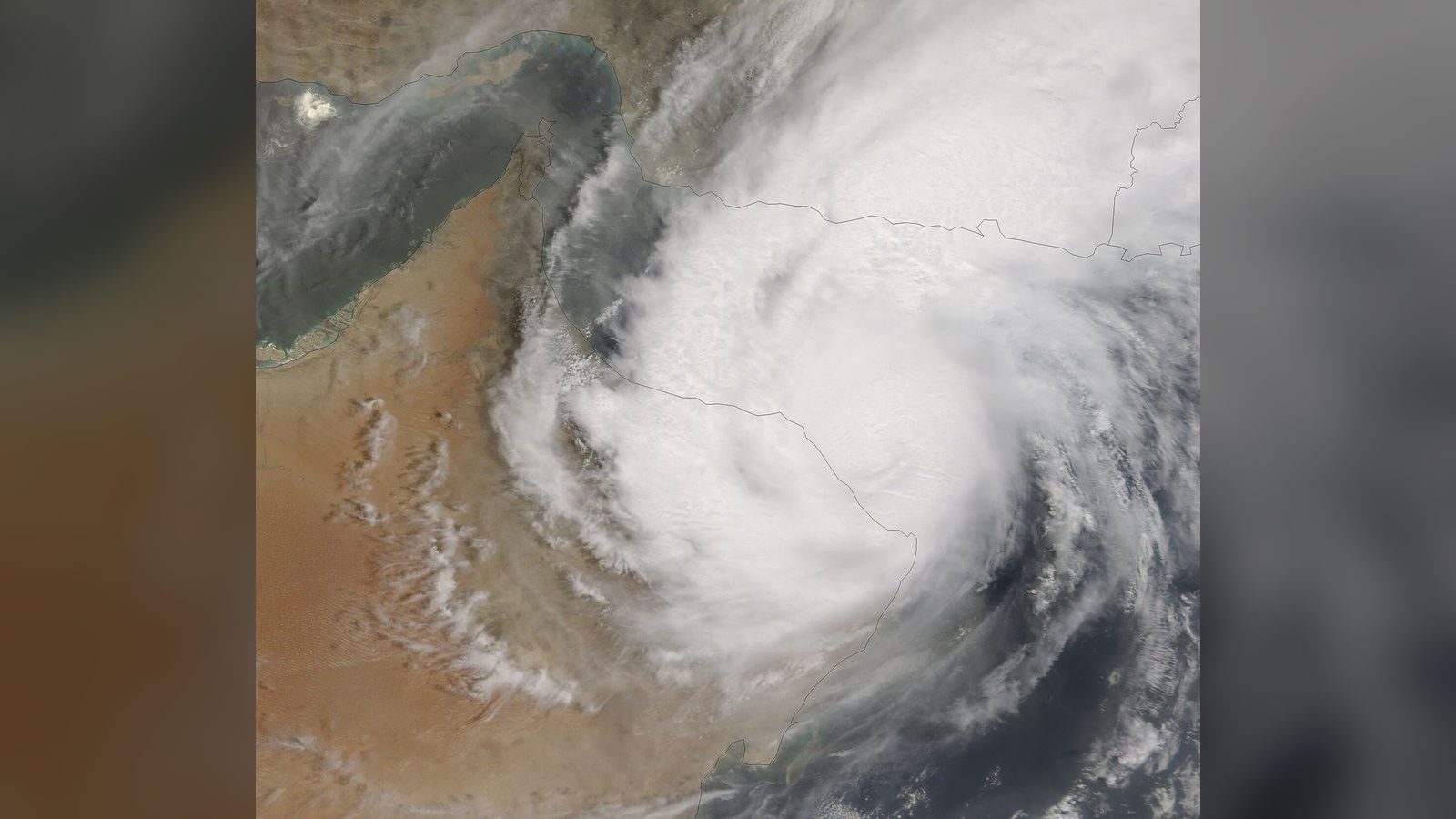
Photo: NASA image by Jesse Allen, using data provided courtesy of the MODIS Rapid Response team at Goddard Space Flight Center. / Wikimedia Commons (Public domain)