Albert Lee "Buddy" Ziegler indicted after genetic genealogy and AI review in 1993 Illinois murder
Investigators used an Othram profile and Centerline AI to review records and identify Albert Lee "Buddy" Ziegler; indictment filed in May and confirmed in June.
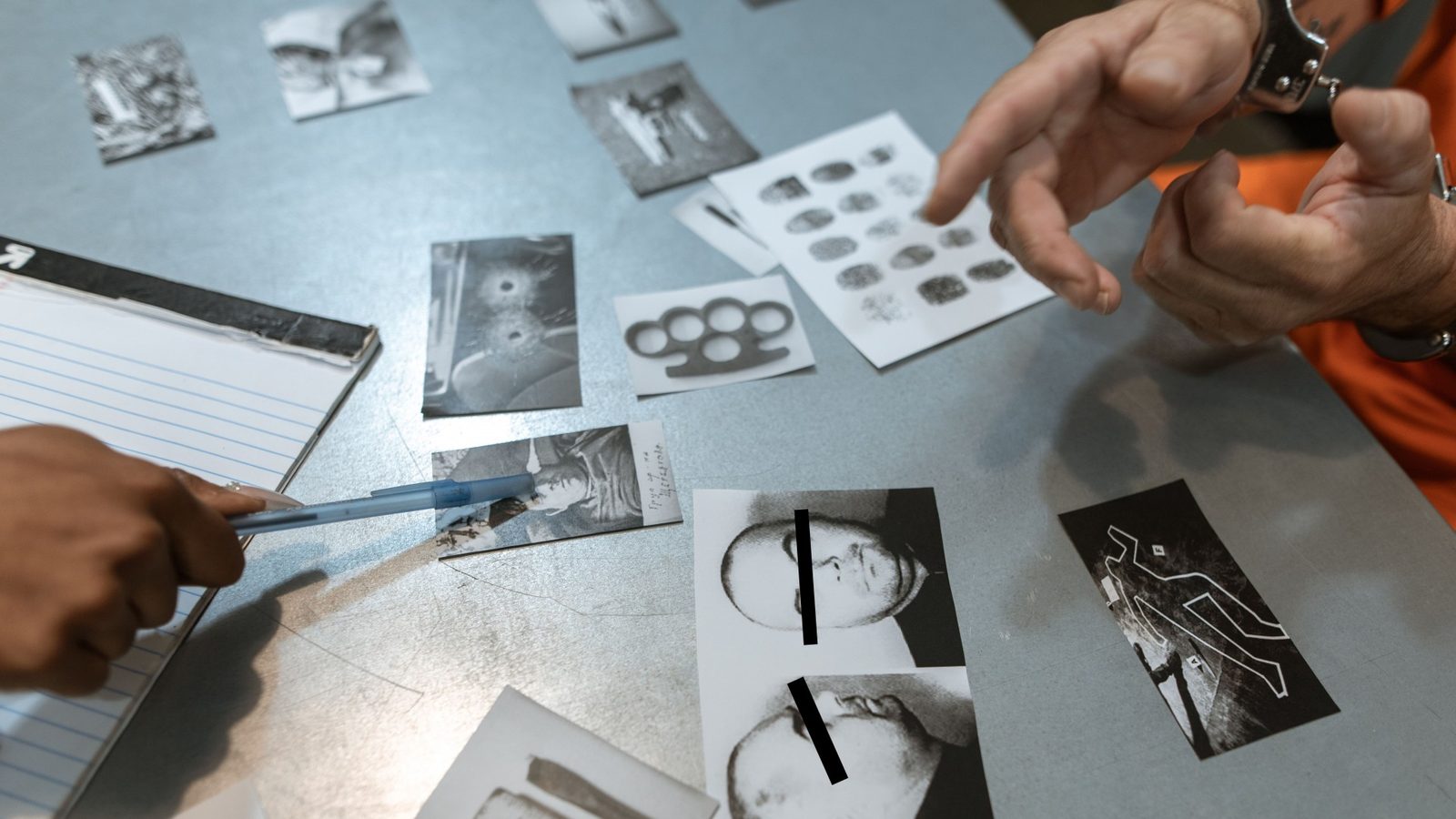
Authorities say a combination of genetic genealogy and artificial-intelligence review of police records led investigators to charge a man in connection with a 1993 murder in Illinois. In May this year prosecutors filed charges against Albert Lee "Buddy" Ziegler, then 70, and the indictment was confirmed in June.
How investigators connected the case
Randy Gail Sperino was last seen on November 9, 1993, entering a dark pickup in Granite City; her body was later found in a nearby field. DNA recovered from the scene produced no match in the FBI’s CODIS database at the time.
In May 2025 the evidence was sent to the forensic laboratory Othram, which generated a profile suitable for genetic genealogy searches. That technique — matching DNA to relatives and building family trees — allowed investigators to search for a person whose own DNA is not in criminal databases.
"That lead opened the case," said police Captain Tim Lawrence. Detectives also used the Centerline AI platform to review more than 2,000 pages of records; according to the developer CentralSquare, the software assisted with name searches, timeline reconstruction and statement comparisons.
"Every detective has his own personal analyst. It does not replace the investigator. It is only as accurate as the information you give it," said Detective Jake Svoboda in the company's study. Prosecutors say Ziegler initially denied knowing Sperino, then later called investigators and admitted the killing.
Defense attorney Mary Copeland has said police collected a DNA swab while her client was recovering from a serious heart attack; a court denied her request for release on health grounds. The U.S. Department of Justice policy issued in 2019 requires a direct DNA comparison with a suspect for investigations it covers and does not permit arrest based solely on a familial genetic match.
Privacy concerns have followed the growing use of commercial genealogical databases. "There are significant privacy concerns," said Professor Denise Syndercombe-Court, a forensic genetics expert, warning that one individual's consent to share genetic data does not imply consent from relatives.
The Ministry of Interior of North Macedonia says it uses accredited methods for DNA identification and traces; its statement does not confirm use of commercial genealogical databases or specific AI platforms. The country’s Agency for Personal Data Protection designates genetic data as subject to special protection.
Photo: press material from the event