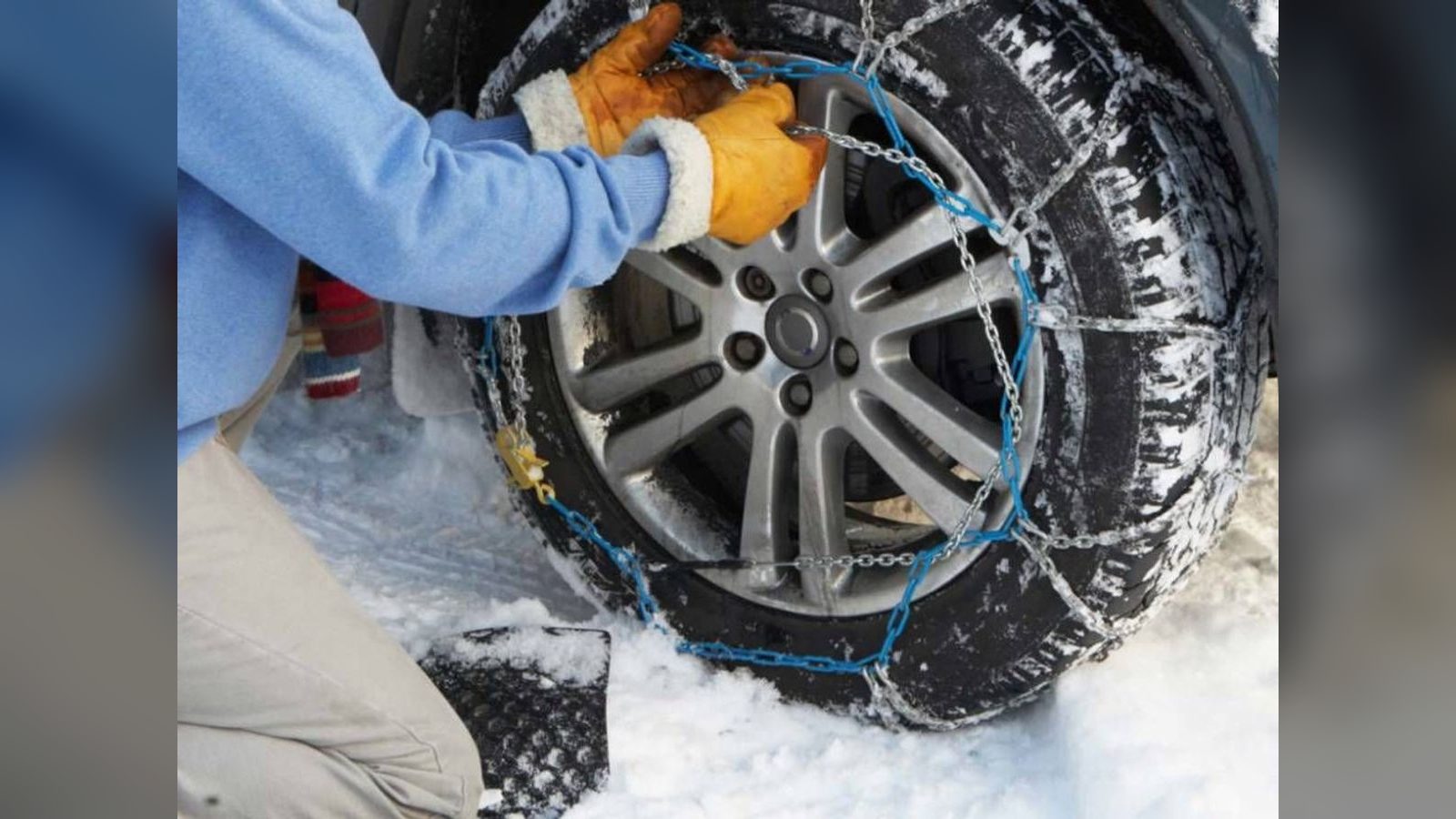
Mandatory winter equipment for all vehicles from 15 November
Requirement runs from 15 November until 15 March; specific tyre tread depths and chain rules apply for different vehicle types.
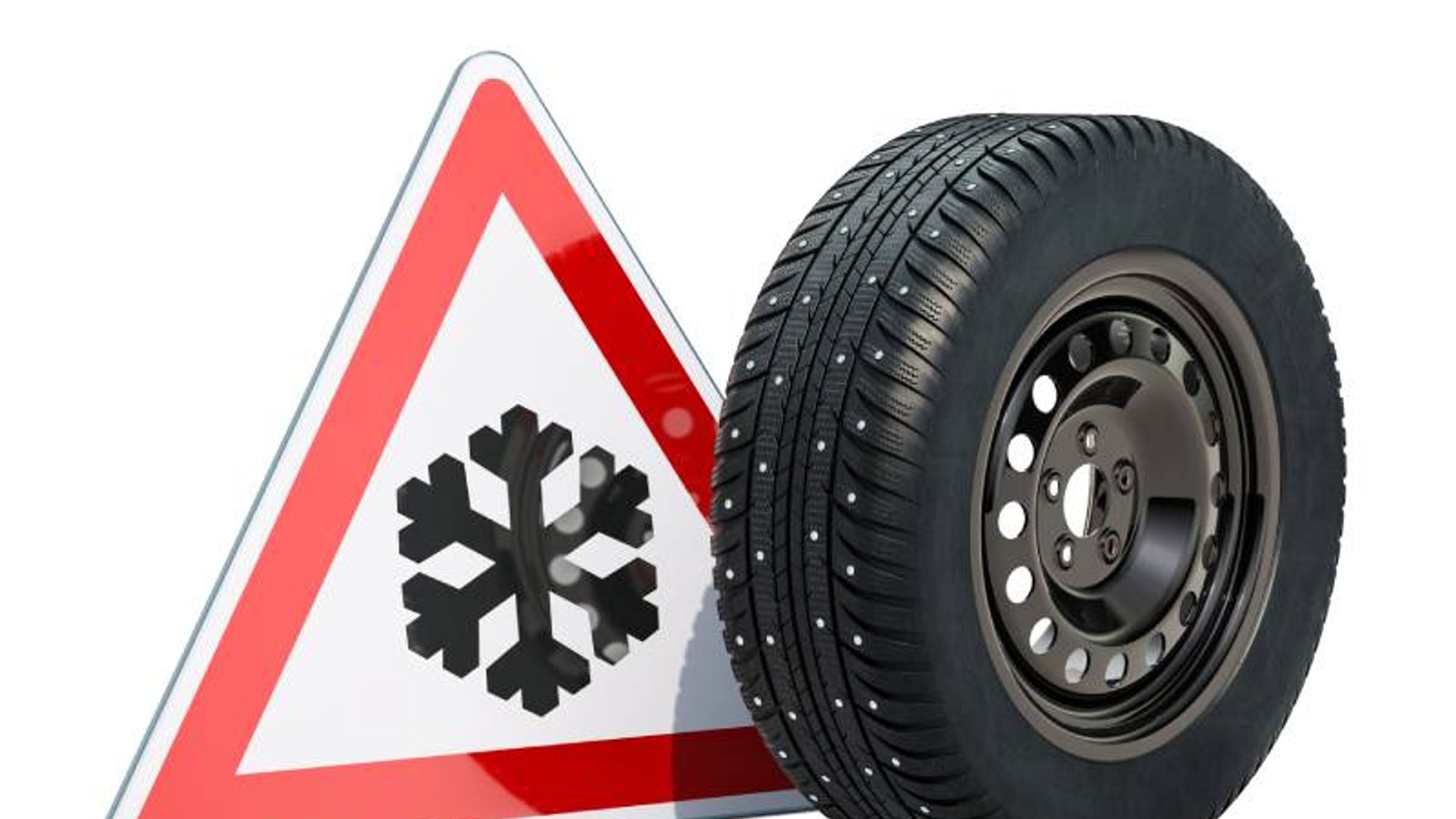
From 15 November a legal obligation comes into force requiring all vehicles to carry winter equipment; the rule remains effective until 15 March. The Republican Council for Road Traffic Safety (RSBSP) urged drivers to prepare their cars in advance and to adjust speeds to road conditions, especially during snow, ice and black ice.
Who must have what
For vehicles with a mass up to 3.500 kilograms the winter equipment requirement means either winter tyres with a minimum tread depth of 4 millimetres or summer tyres with the same tread depth together with snow chains.
Vehicles with four-wheel drive must be fitted with winter tyres that have at least 6 millimetres of tread or use summer tyres with at least 4 millimetres combined with appropriate snow chains. Special rules apply to heavier vehicles.
RSBSP warns that winter conditions increase the risk of traffic accidents because of slippery road surfaces, reduced visibility and longer braking distances. Drivers are advised to keep a safe distance, avoid sudden manoeuvres, check the technical condition of their vehicles and not to drive while under the influence of alcohol or when fatigued.
The council's reminder comes ahead of the seasonal change in road conditions and targets safer travel during the winter period from 15 November to 15 March.
Photo: press material from the event