Between the Great and Little Virgin Mary: customs, healing herbs and what women were told to avoid
Folk tradition links the period between the Dormition (Aug 28) and the Nativity (Sept 21) with specific household rules, healing herbs and a quieter rhythm of work.

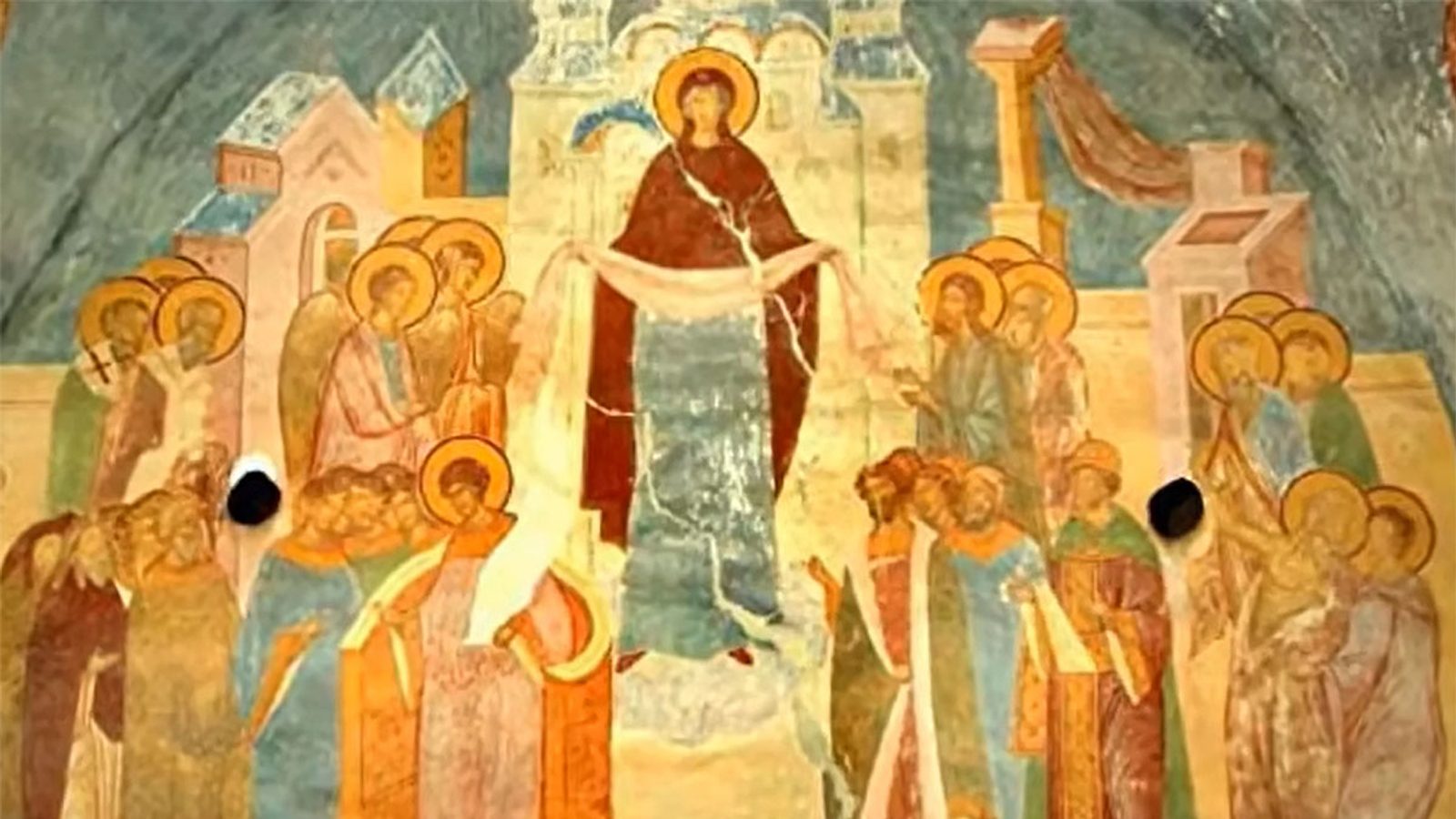
The weeks between the two Marian feasts — the Dormition of the Most Holy Theotokos on August 28 and the Nativity of the Theotokos on September 21 — have long been a marked interval in Slavic rural calendars, full of practical habits and taboos tied to the changing season.
Quiet work, gathered herbs and household care
Folklore holds that the stretch from August 28 to September 21 is a moment when nature slows and transforms: summer recedes, harvest tasks wrap up and homes are readied for colder months. In this liminal time — sometimes called "babino leto" — communities observed rules aimed at protecting health, domestic harmony and future abundance.
One common prescription advised women to avoid beginning heavy, exhausting new chores. Tasks such as long river washing, large-scale weaving or carrying heavy loads were considered inappropriate to start; instead, women were expected to finish what was already underway, conserving energy for the seasonal transition.
Herbs collected in this period were credited with special healing power. Plants like St. John's wort, wormwood and wild thyme were dried and often stored behind icons, used as remedies and as amulets against sickness and ill intent.
There was also a folk injunction about the soil: people believed the land itself needed a rest before winter, so deep ploughing was avoided. Disrupting the earth too forcefully was seen as going against natural cycles and could bring misfortune in popular imagination.
Finally, these weeks were viewed as suitable for mending strained relationships and renewing family ties. Although none of these practices are official church rules, they reflect how generations lived in step with seasonal rhythms and embedded spiritual meanings into everyday household care.
Photo: press material from the event