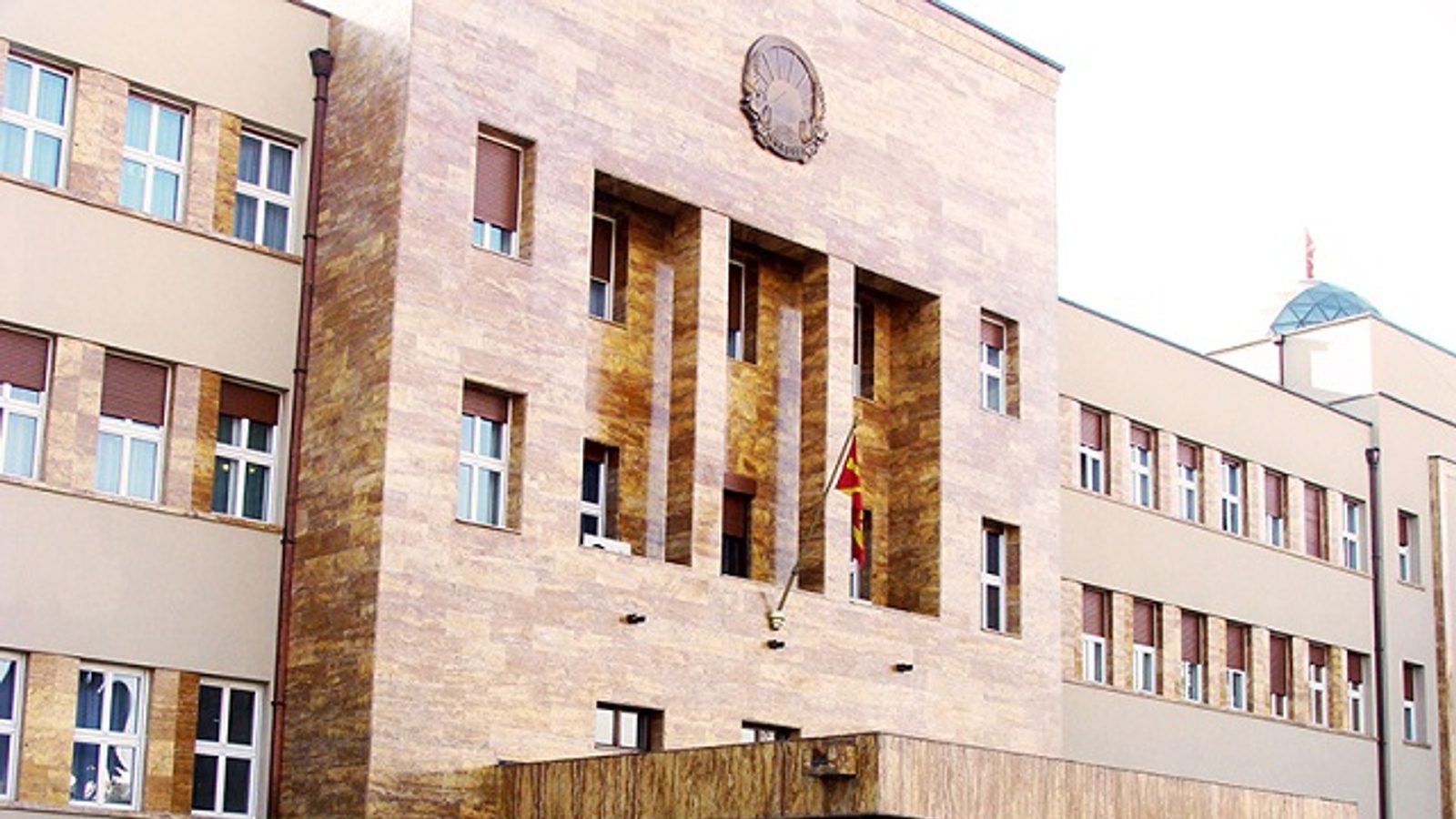
Ohrid SOS warns: illegal construction and land usurpation in Lagadin remain unresolved
Ohrid SOS warns photos from 2026 show persistent usurpation and unfinished removals on slopes of Galičica, citing a 17,000 m² finding from 2024.
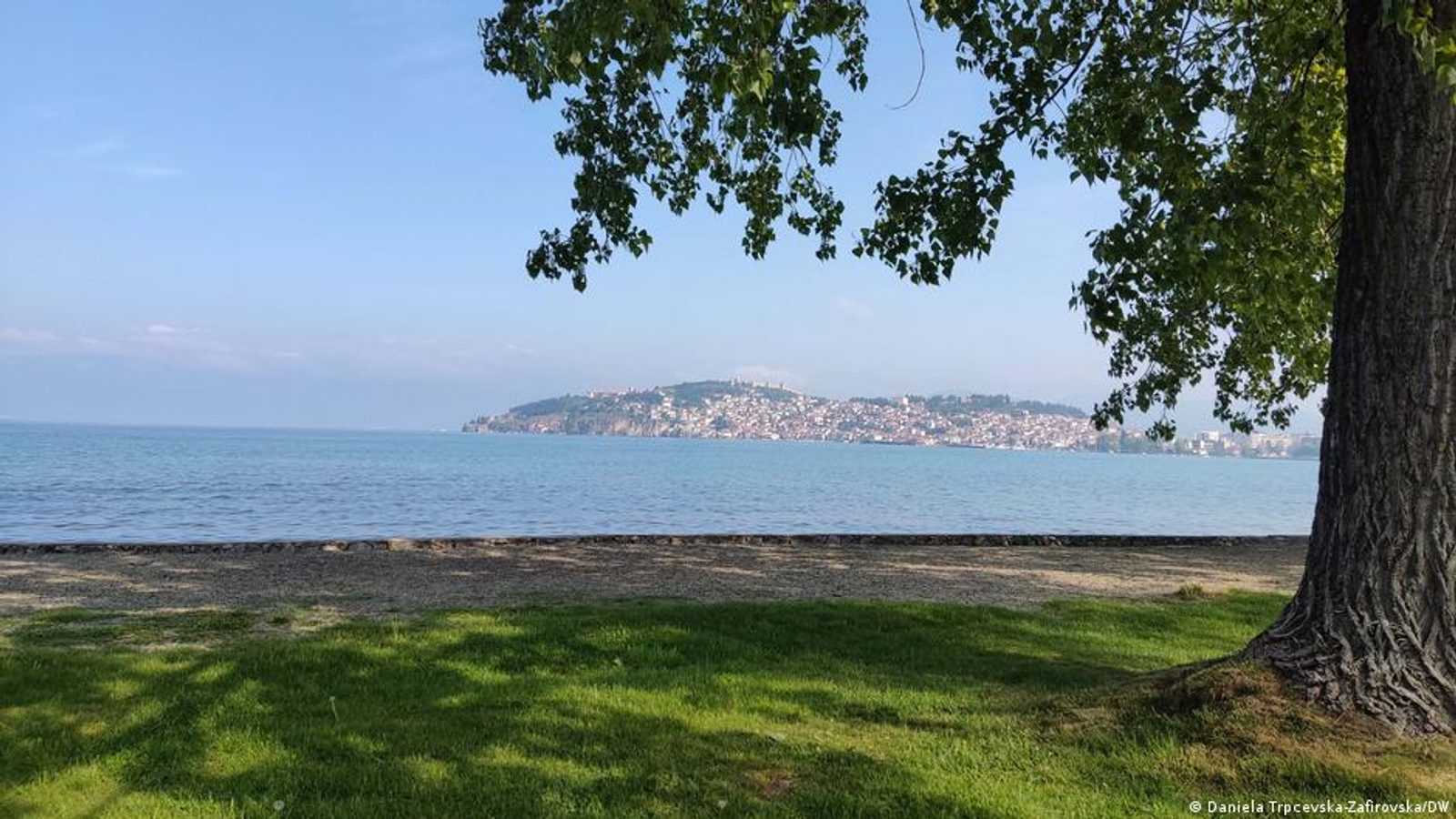
Environmental and civic activists have renewed warnings about growing concrete development along the Ohrid lakeshore, saying new structures and unfinished removals risk further endangering the Ohrid Region’s UNESCO status. They singled out several shoreline sites and raised concerns about plans to build a concrete wall near the Studenchishki channel, a locality that includes several well‑known beaches.
The civic initiative Ohrid SOS reiterated complaints about Lagadin, saying that three years after the first reports of illegal construction and usurpation of state land the situation on the ground remains unchanged.
Inspection reports, contested remediation
Ohrid SOS says that a 2024 extraordinary inspection by Galičica National Park found evidence of usurpation on a state cadastral parcel covering 17,000 square metres. The park’s report recorded deforestation, construction of a retaining wall, a reinforced concrete slab under construction, rock excavation, damage to the stability of high‑voltage transmission poles and the breaking of an access road.
According to the activists, the works were connected to the owner of an accommodation facility and were carried out without the necessary approvals. On another state parcel in the Elshani cadastral area inspectors found a two‑storey superstructure added to an already illegal building, also without a building permit.
The State Inspectorate for Forestry and Hunting also carried out checks in 2024 and documented the construction of a road, destruction of forest and erection of several buildings on state land, including the permanent conversion of forest land. Following these findings, Galičica National Park filed complaints with the Basic Public Prosecutor’s Office, the Interior Ministry office in Ohrid, the State Inspectorate for Construction and Urbanism and the State Attorney’s Office.
Photographs taken in 2026, activists say, show the situation remains worrying. "We do not know whether what was found during the inspection is the same as what is now visible on the photographs, or whether even more land has been usurped in the meantime. This scar on the mountain is so large that it can be seen from the lake," Ohrid SOS said.
Activists also pointed to interventions near Kaneo that they say conflict with UNESCO recommendations. They noted international recognition — Kaneo featured on the cover of an Italian National Geographic special on 100 life‑changing places — and criticised slow institutional implementation of UNESCO and other international protection recommendations. The government requested an additional deadline to address obligations tied to protecting the Ohrid Region, seeking to avoid inscription on the List of World Heritage in Danger; a UNESCO draft decision in July concluded that progress was limited and main threats had not been removed.
Ohrid Region has been a UNESCO World Heritage site since 1979 and for years has faced risks from illegal buildings, excessive urbanisation, shoreline degradation, inadequate wastewater management and insufficient ecosystem protection, activists warn.
Photo: press material from the event