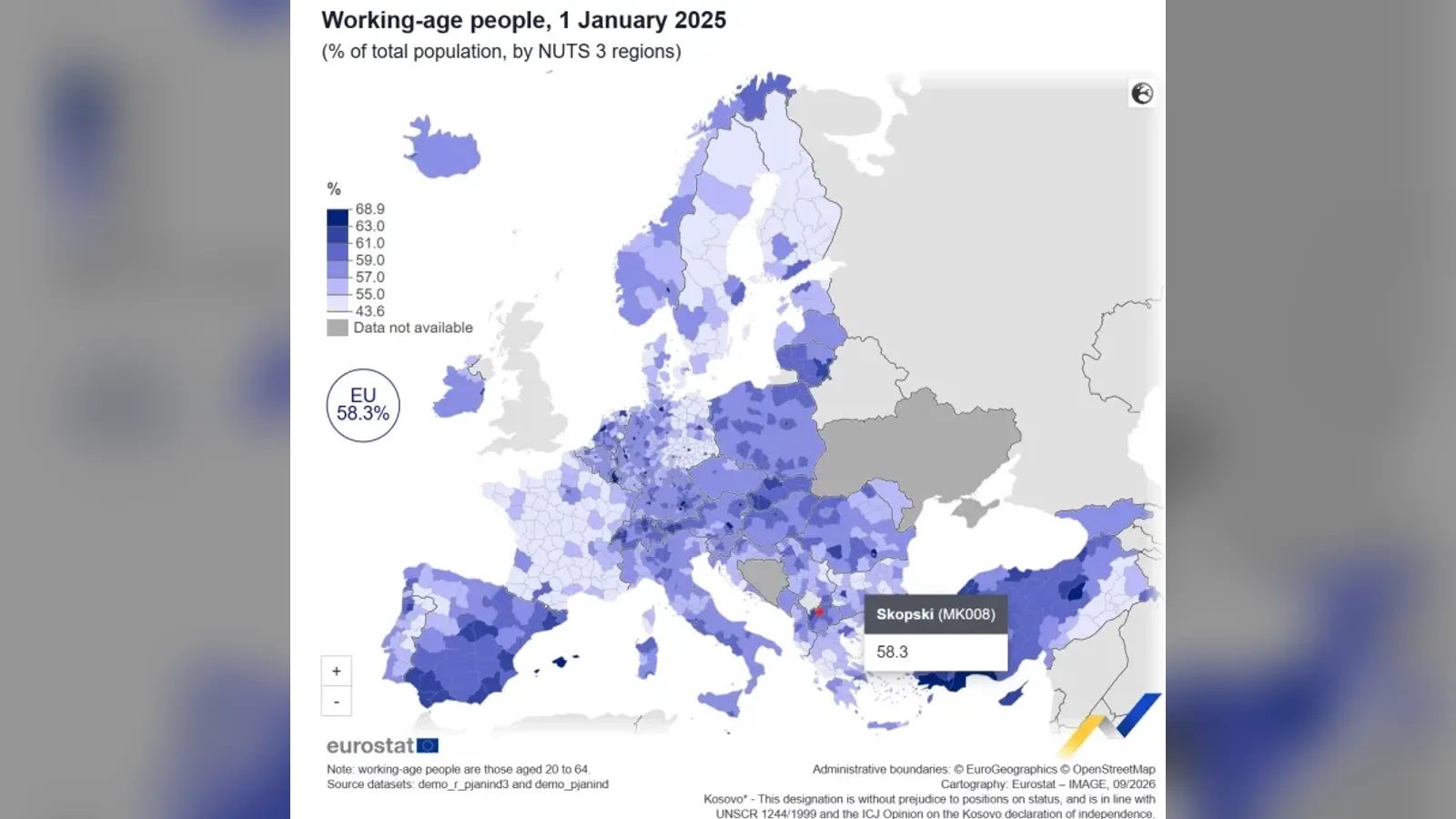
About 100,000 working informally in North Macedonia; unemployment 11.3%
State Statistical Office records 101,022 informal employees in Q2 2026; experts say structural gaps keep many workers outside the formal labour market.
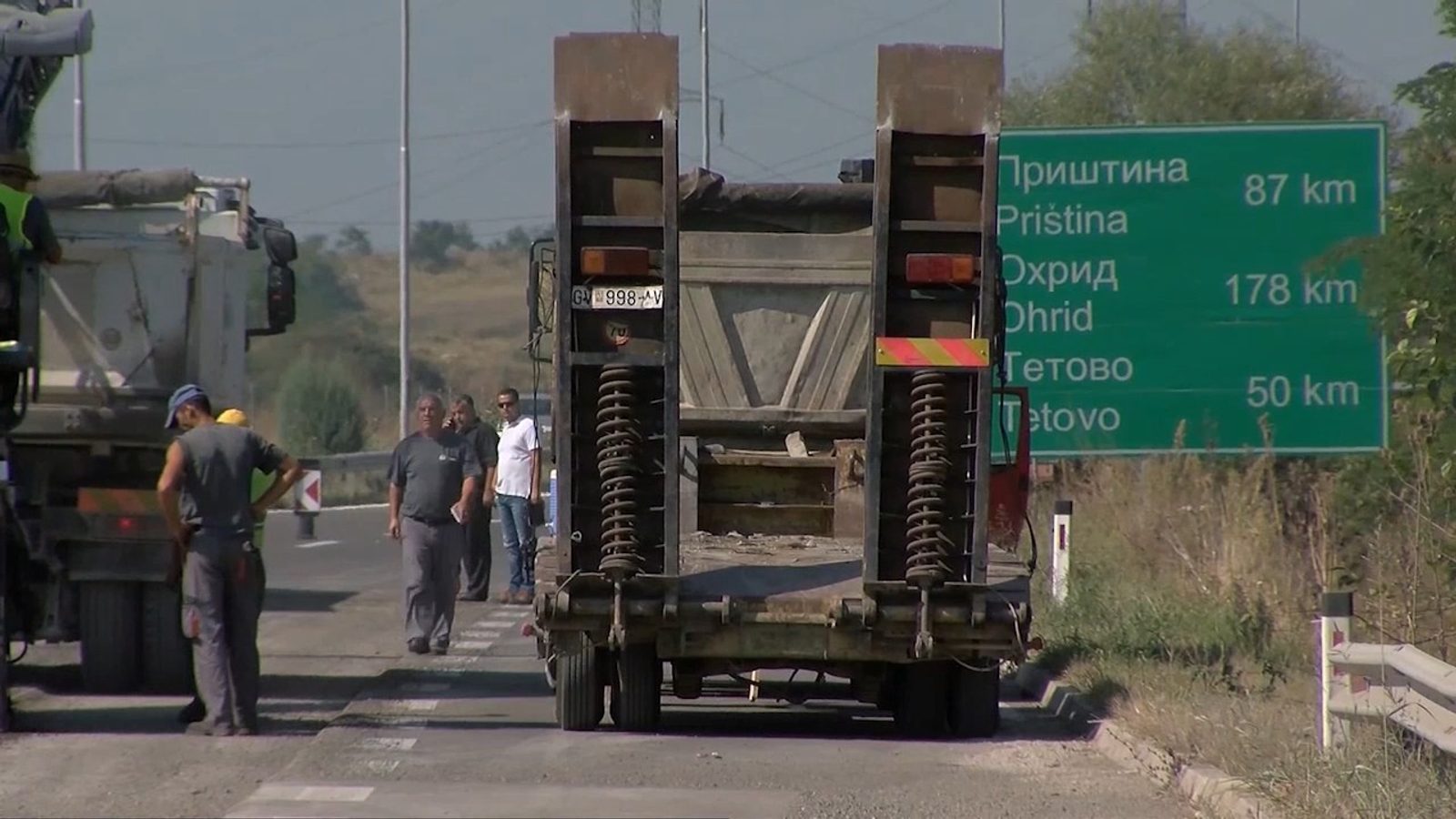
More than 90,000 working-age people in North Macedonia are officially registered as unemployed, while roughly 100,000 are estimated to work informally in the grey economy, according to recent statistics. The overall unemployment rate stood at 11.3 percent, after a one-year decline of 1.5 percentage points.
State Statistical Office data
“In the second quarter of 2026 the number of informally employed amounted to 101,022 persons, which represents an increase of 7.2 % compared to the previous quarter. The rise largely stems from the increased number of informally employed in the agriculture, forestry and fishing sector, where 51,487 persons were recorded, or 51.0 % of total informal employment. An additional 17.2 % of the informally employed are concentrated in construction. This structure indicates that seasonal activities in these two sectors have a key influence on quarterly movements of informal employment.” — State Statistical Office.
The statistical snapshot highlights a persistent mismatch on the labour market: the country reports more than 10,000 job vacancies at any given moment, yet tens of thousands remain unemployed while a similar number work without formal contracts or social protection.
Economists point to structural weaknesses behind these figures. Many of the people classified as unemployed lack the education or specific technical skills required by modern industries, which raises the need for retraining and vocational upskilling. Specialists also note that individual motivation and career ambition among workers affect their prospects to transition into formal employment.
Policymakers face the dual challenge of bringing informal workers into the formal economy and matching available vacancies with suitably trained applicants. Analysts say targeted training, incentives for formal hiring and stronger enforcement of labour regulations will be crucial to reduce the grey economy and lower long-term unemployment.
Photo: press material from the event