Oliver Bogatinov: I was 15 when I attended Slovenia–North Macedonia in Kranj on 13 October 1993
Born in Jasenice (1978) and holder of two passports, Bogatinov remembers watching Darko Pancev and now coaches Tikvesh in North Macedonia.
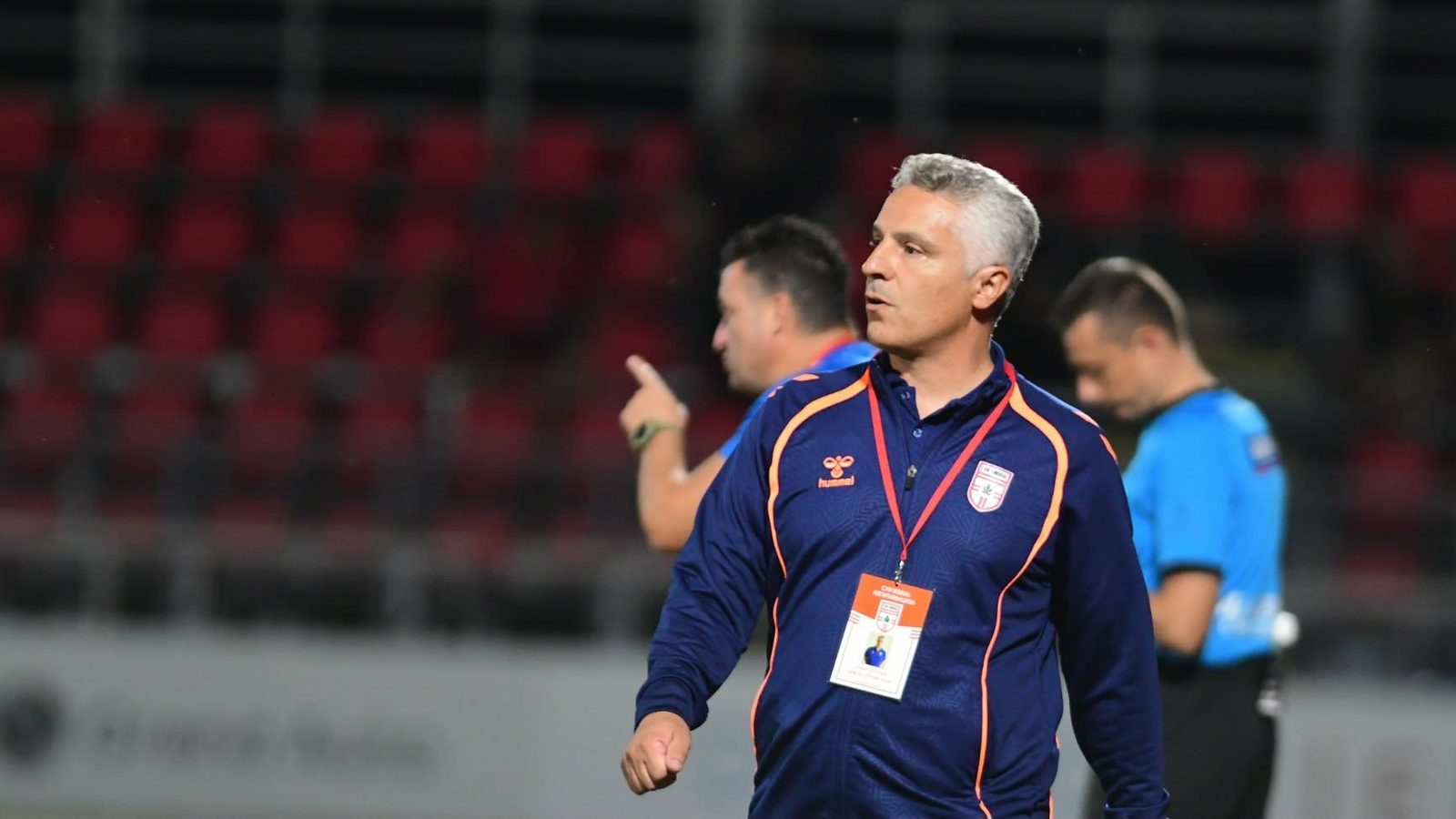
Oliver Bogatinov, the coach who has recently taken Tikvesh to prominence in the Macedonian First Football League, traces his roots to Slovenia and to a vivid childhood memory: he was 15 when he watched the first official match in the history of the Macedonian national team on 13 October 1993 in Kranj.
From Jasenice to Kavadarci: a bi-national coach
Bogatinov was born in Jasenice near Kranj in 1978 and holds both Slovenian and Macedonian passports. As head coach of Tikvesh, he led a side praised for playing the most attractive football in the country last season and was at the helm for the club’s memorable 3:1 victory over Shkendija.
As a player he represented several Slovenian clubs; as a coach he has worked at Olimpija, Koper, Radomlje and Gorica, and served as sporting director at Maribor. He is also described as a doctor in football.
Recalling the match in Kranj, Bogatinov said he was then a youth striker with Triglav Kranj and part of Slovenia’s youth national teams. He admitted he did not fully grasp the historical importance of the fixture for Macedonia, but remembers clearly who occupied his attention on the pitch.
"I watched only one player throughout the match, Darko Pancev. I was a striker too and tried to 'steal' something from Darko, who for me at that time was the best striker in the world; for me he was a GOD. Of course I was pleased with the match, I was overjoyed that I saw my idol live. Also, I was at the stadium in 2019 in Ljubljana when it was 1:1," Bogatinov said.
Asked which side he would support in the Slovenia–North Macedonia fixture, he answered with a laugh: "Who should I cheer for? I said I have two passports. Let it be a good match, may the better team win."
On Macedonia’s prospects he offered a measured view: the heavy defeat to Switzerland was a poor showing, yet Switzerland remains among the world’s top teams. He expects a different performance against Slovenia and praised Macedonia’s midfield potential, naming Elmas, Bardi and the young Matej Gaštarov as important figures, while noting that it will take time "for the pieces to fit together." He also observed that both coaches — Sedloski and his opposite number, and former Dinamo Zagreb teammate, Bostjan Cesar — will need time to shape their teams.
Bogatinov pointed to Slovenia’s solidity — a backbone preserved since their strong EURO 2024 campaign under Kek — and singled out Oblak in goal and weaknesses in Slovenia’s attack when Šeško is absent. He concluded on the Nations League’s role as preparation: "We all want our national team to win, we are proud even in friendlies. Yet we must understand that the Nations League is something like preparation for the real thing — the qualifiers for Euro 2028. This competition replaced friendlies. Yes, it’s nice to win now, but it is not a tragedy if you lose now, provided this serves as good preparation for what follows — the qualifiers."
Photo: press material from the event