UN General Assembly approves resolution calling to end US embargo on Cuba; North Macedonia voted "against"
The General Assembly approved a resolution to end the US embargo on Cuba; support fell compared with last year and Skopje voted against.
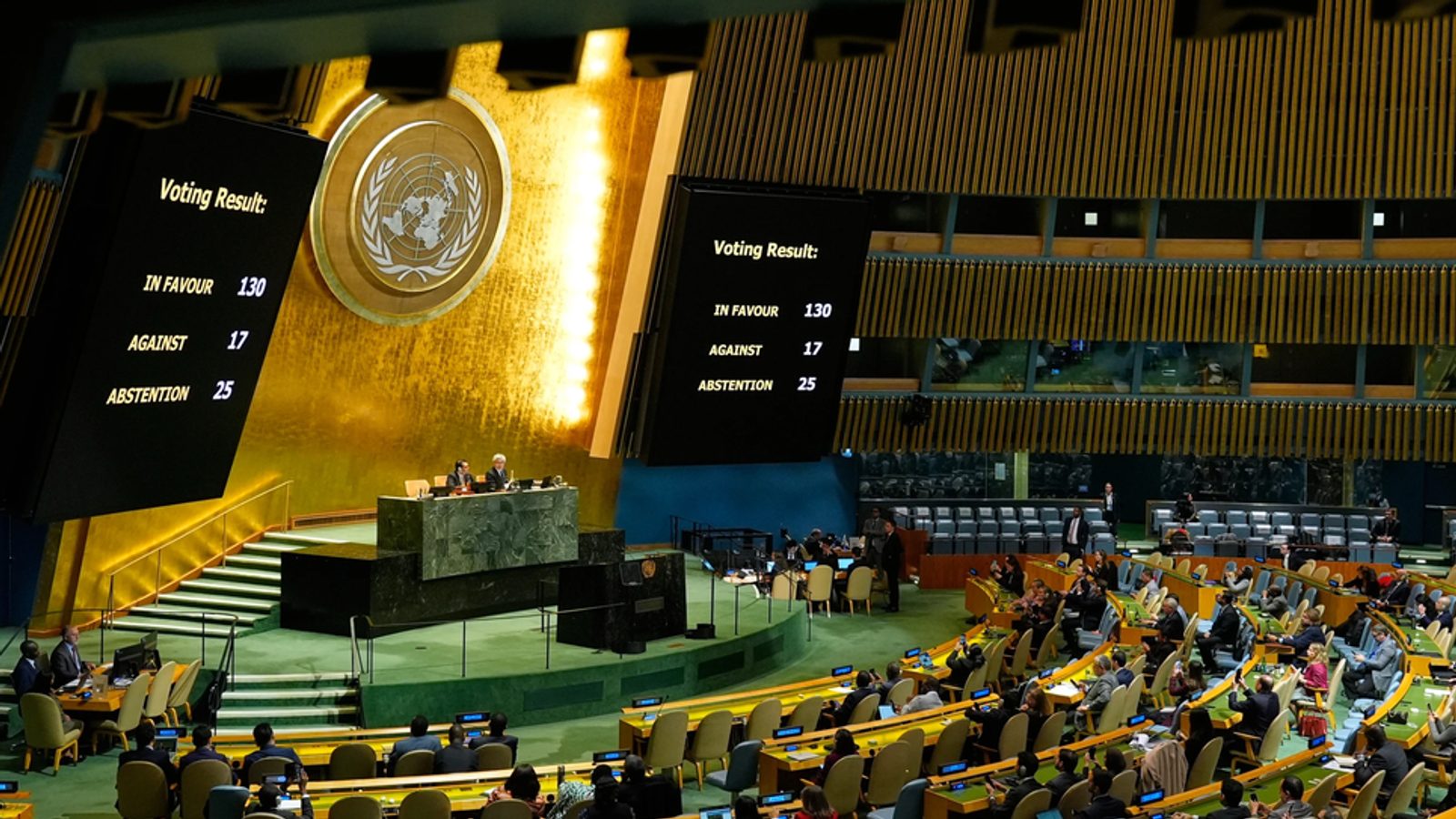
The United Nations General Assembly today adopted a resolution calling for an end to the United States economic embargo against Cuba. The motion passed with 130 countries voting "for", 17 "against" and 25 abstentions, a marked drop in support compared with the previous year when 165 countries voted "for", seven "against" and 12 abstained.
North Macedonia was among the countries that voted "against" the text. Other states in that group included Bosnia and Herzegovina, Colombia, Costa Rica, Ecuador, Lithuania, Morocco, Paraguay and Slovenia. Several Western governments, notably Germany and Italy, chose to abstain for the first time in many years.
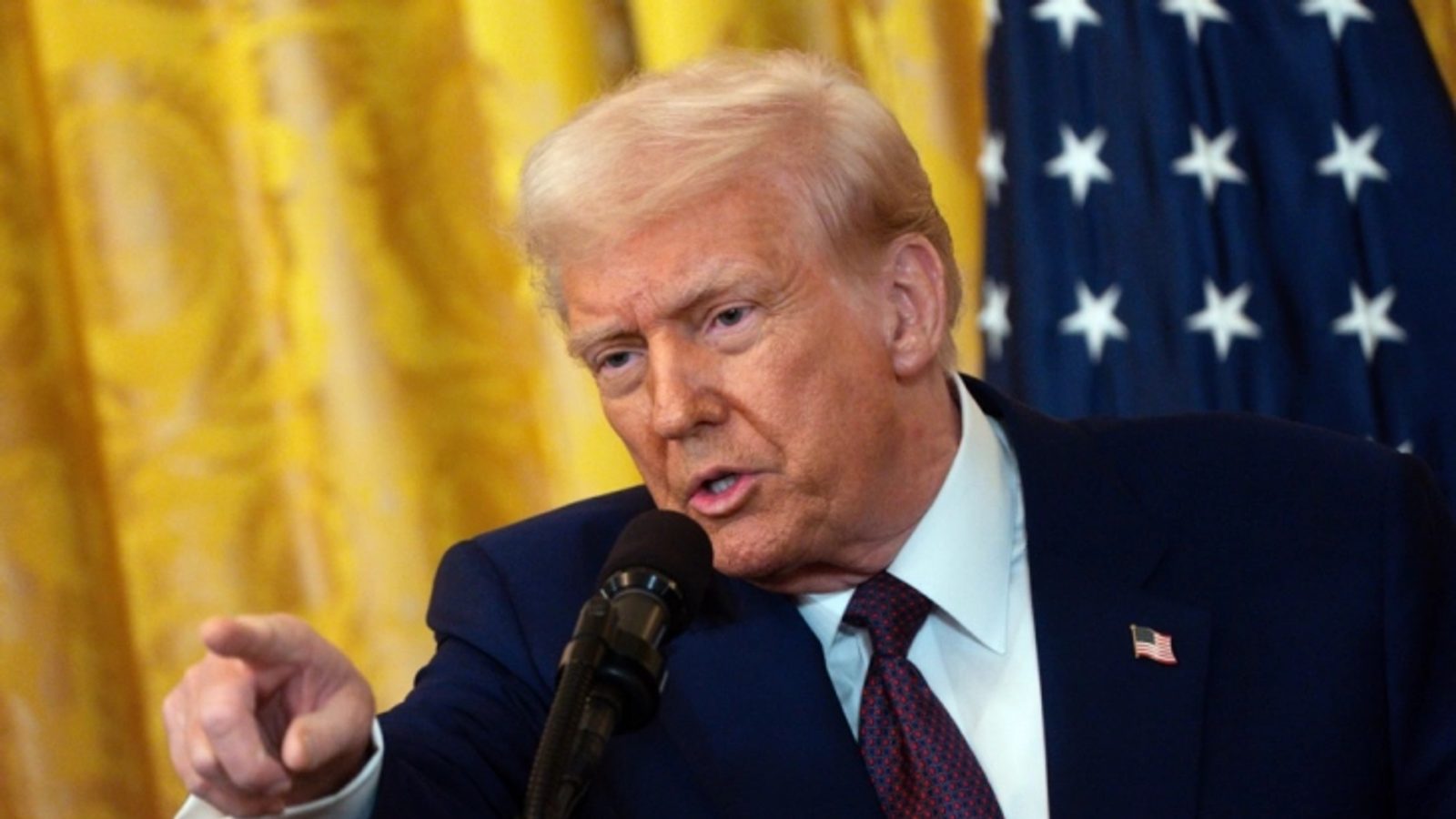
The change in the voting pattern followed intensified diplomatic efforts by the administration of U.S. President Donald Trump to convince member states either to oppose the resolution or to withhold their support.
Bruno Rodriguez, Cuba's foreign minister, accused the United States of conducting an economic war against his country and said that Cuba does not represent a threat. At the same time, the U.S. representative at the UN, Majk Volc, urged member states not to back the resolution and argued that the Cuban government exploits the vote for political propaganda. The debate featured a sharp verbal clash between Volc and Rodriguez, underscoring the tensions between Washington and Havana.
Aftermath and background
After the vote, Majk Volc said he was pleased that more countries, including major economies, had changed their positions. General Assembly resolutions are not legally binding, but they are widely viewed as an expression of the international community's stance on the issue.
The U.S. embargo on Cuba dates back to 1960, after the revolution led by Fidel Castro and the nationalisation of property owned by U.S. citizens and companies. Relations further deteriorated when the Trump administration announced tariffs for countries that sell or supply oil to Cuba. Those measures contributed to interruptions in fuel and electricity deliveries on the island, with knock-on effects on basic services such as water supply and telecommunications.
Photo: Printskrin