Štip's Jackson sports hall: 20% limit on additional works repeatedly exceeded, watchdog finds
The watchdog says a second tender and a €1.25m contract for 'additional and unforeseen works' violated the 20% rule and lacked clear separation of executed and new works.

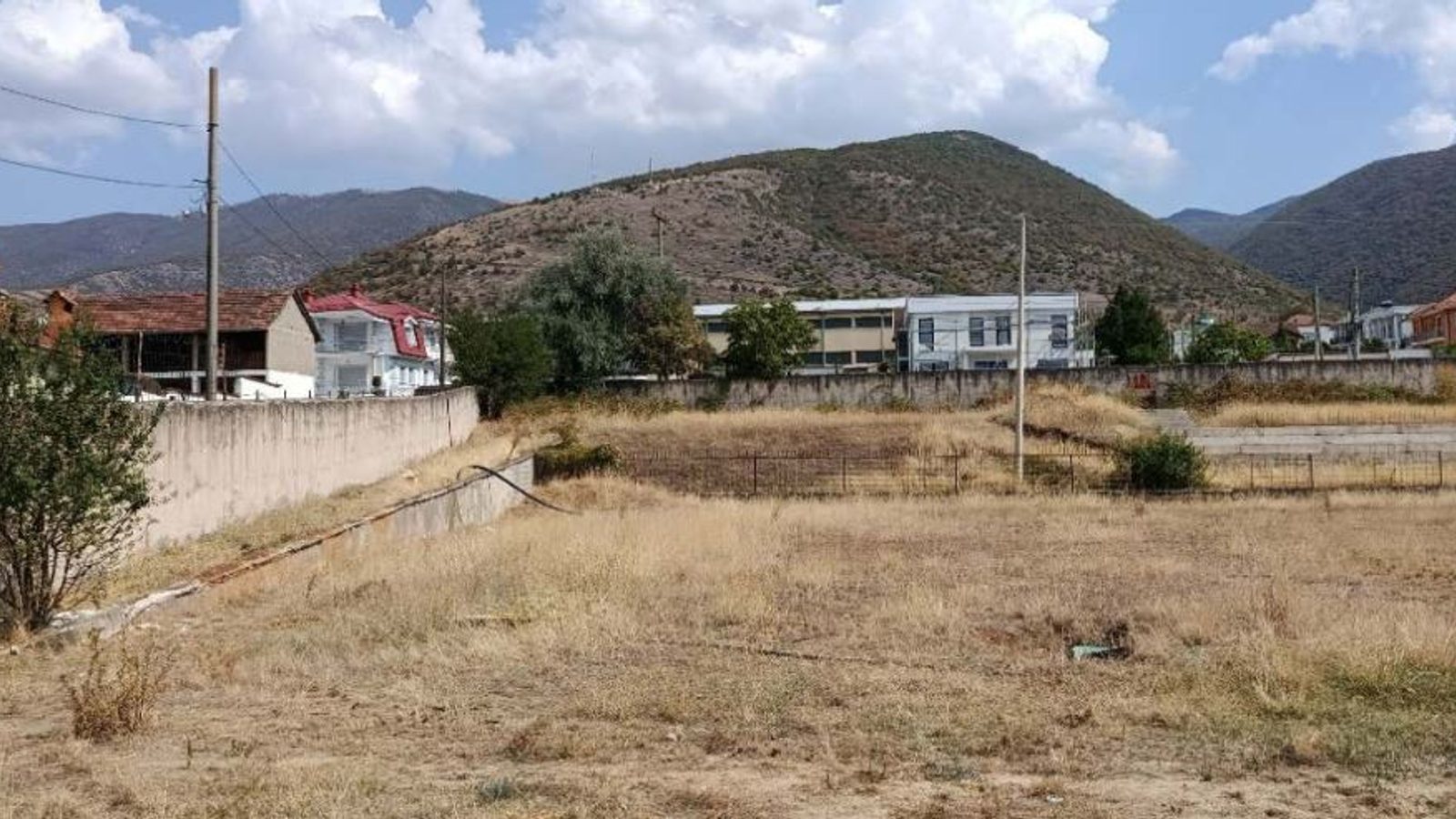
The Center for Civic Communications published a case study (Public oversight over public procurement: Case studies, issue no.3) finding that the 20% limit for additional works was repeatedly exceeded during construction of the Jackson sports hall in Štip, bringing the total project cost to about €2.3 million.
According to the analysis, the initial contract for the building amounted to roughly €1.1 million. That contract stipulated that additional and unforeseen works must not exceed 20% of its value — about €220,000.
New tender treated as 'additional works' but functioned as continuation
During construction the project was changed. Instead of signing an annex to the existing contract, the Municipality of Štip announced a new tender titled “Additional and unforeseen works for the object,” and a new contract worth about €1.25 million with VAT was signed on that basis — a sum larger than the original base contract.
The Center for Civic Communications points out that the second tender did not concern a separate new building or an independent project but was presented as additional and unforeseen works for an object already being built. Article 119 of the Public Procurement Law is explicit that the value of unforeseen and additional works must not exceed 20% of the base contract.
The watchdog also found that running the procurement as an open procedure provided only formal transparency. The tender documentation failed to clearly separate already executed from newly planned works. At the time the second tender was run, the first contract had not been completed; documentation lacked clear marking of executed items, site condition reports, deadlines, rules for handing work over, responsibility between old and new works, separation of guarantees between the previous and new contractor, site access arrangements, technical connections to the existing structure and other necessary clarifications.
Predictably, only one firm submitted an offer for the second tender: Sandra Engineering from Skopje — the same company that was already building the hall. From September 2025 to July 2026 that firm carried out two contracts in parallel on the same object under the same supervision.
The Center’s report frames the sequence of procurement steps as a circumvention of the legal limit for additional works and as an example of weak procedural safeguards when project changes are implemented during ongoing construction.
Photo: press material from the event