Municipalities paid €4 million in 2025 for subsidies and aid to residents
Sixty-three municipalities disbursed aid to 58,290 people across 92 categories; the real total may be higher after non‑responses.
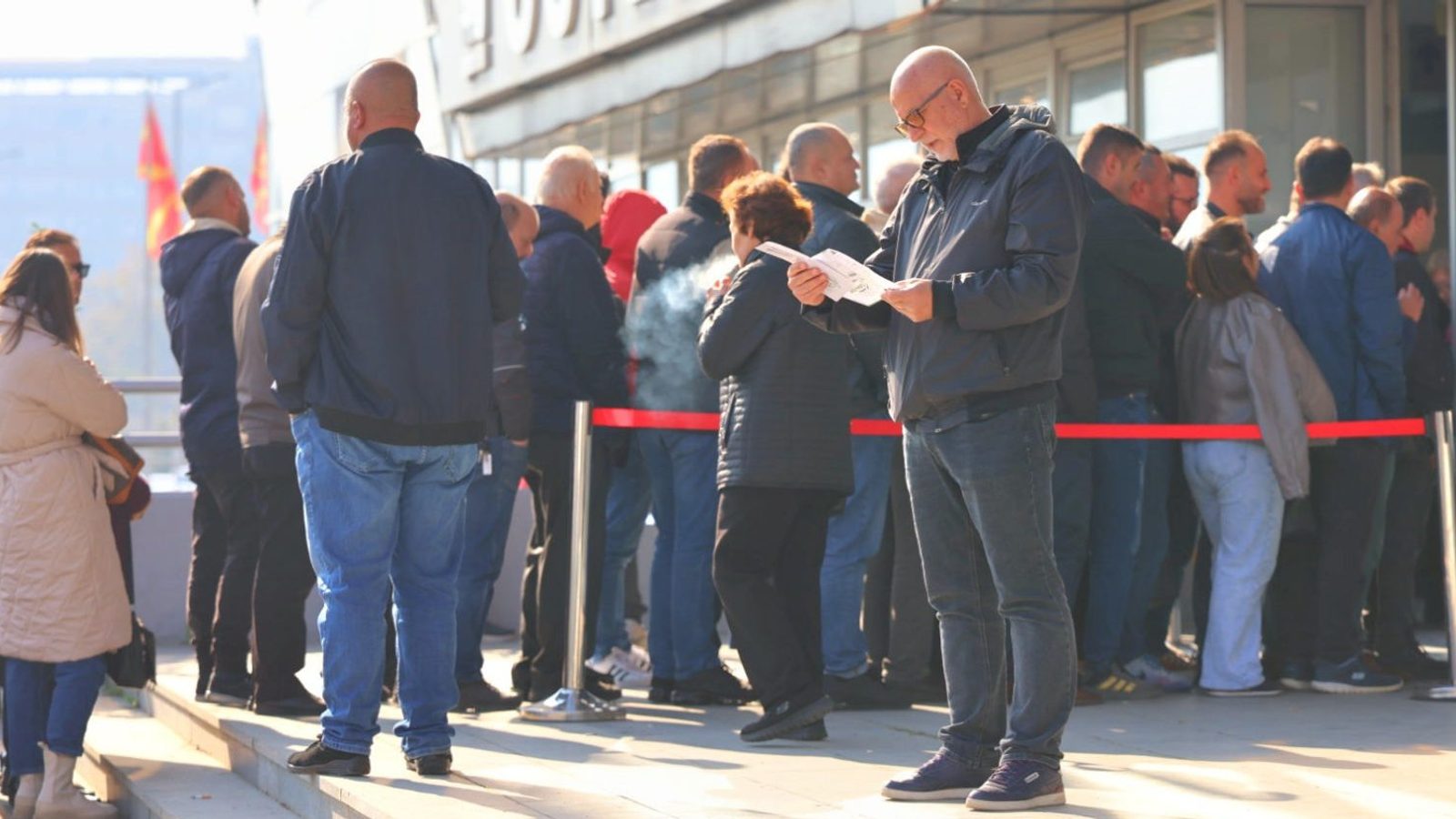
Sixty-three municipalities spent a total of 4,000,000 euros in 2025 on various cash transfers and subsidies for residents — almost one million euros more than in 2024, according to the latest research by the Center for Civic Communications.
The real total is likely higher, because the City of Skopje and the Čair and Saraj municipalities did not provide the requested data, even after a decision from the Agency for Protection of the Right to Free Access to Public Information ordering them to reply. Overall 58,290 residents received some form of municipality aid in 2025, roughly 13,000 more people than the year before.
Municipal payments covered 92 different categories: support for newborns, first-graders, secondary-school students, youth and graduates, people at social risk and pensioners. Payments and in-kind assistance included school supplies, backpacks and firewood; cash for buying bicycles, scooters, digital devices, pellets and pellet stoves, and air-conditioners; and subsidies for utility bills, driving exams, transport and parking. Municipalities also paid marriage grants, roof repairs, window replacement, elevator upgrades, scholarships, and awards for "best in generation," best teacher, policeman, farmer, firefighter and doctor.
Which municipalities offered the widest range of aid
Three Skopje municipalities offered aid under the largest number of categories. Centar provided assistance under 16 bases, while Kisela Voda and Gazi Baba did so under 12 bases each. All other municipalities applied aid to fewer categories.
Arachinovo, Bogovinje, Brvenica, Butel, Vrapčishte, Debar, Dolneni, Želino, Jegunovce, Novo Selo, Studeničani, Tearce, Tetovo, Čaška, Čučer-Sandevo and Šuto Orizari reported that they did not allocate such funds in either 2024 or 2025. Saraj, Čair and the City of Skopje did not respond at all to the information requests.
Fifty municipalities provide cash for each newborn child, and 38 municipalities provide support for first-graders. The highest first-grader payment is 8,000 denars from the Municipality of Mogila. For newborns the top single payment is 30,000 denars from the Municipality of Staro Nagoričane. The largest amounts from other categories include sums above 200,000 denars for façade repairs and elevator replacements.
The largest single payment made by a municipality was in Konče, which gives 100,000 denars to each person over 35 who married. By total disbursements, Aerodrom paid the most in 2025 — 552,387 euros — followed by Centar with 507,481 euros, Kisela Voda with 461,989 euros and Gazi Baba with 415,172 euros. Apart from Aerodrom, which disbursed a similar total in 2024, the top five municipalities all increased aid in the 2025 election year; the rise was particularly pronounced in Centar and Kisela Voda.
Gazi Baba covered the highest number of residents with some form of aid, 10,630 people, and Kisela Voda assisted 10,511. Both municipalities paid the same pensioner sum — 2,500 denars — but Gazi Baba reached 2,662 pensioners while Kisela Voda reached 3,005. Centar also paid pensioner assistance and introduced school uniforms in 2025, distributing them to 4,900 pupils.
"There are almost no municipalities that pay assistance for the same bases, except perhaps aid for first-graders and newborns. Also, there is no uniformity in the amounts that municipalities pay for the same basis. For example, for a newborn the payments range from 3,000 to 30,000 denars, and for a first-grader the sums range from 2,000 to 8,000 denars. And for a first-born child the amounts vary from 6,000 to 30,000 denars. In the category of 'the best' the amounts range from 5,000 for the best pupil to 30,000 for the best farmer. What remains unclear is whether municipalities have the competence for such grants and aids, especially since from municipality to municipality different rules, procedures, practices, amounts and categories are applied. Municipalities, in their rulebooks and decisions on awarding various aids, refer to different articles of the Law on Local Self-Government. Still, most often they invoke Article 36, paragraph 1 where the competencies of the Municipal Council are listed and item 15 — Performs other tasks determined by law," the research says.
Photo: SDK.MK)