Pumpkin: 8 recipes that help the line and taste great
Eight practical pumpkin recipes plus nutrition facts, storage tips and how the vegetable supports satiety and digestion.
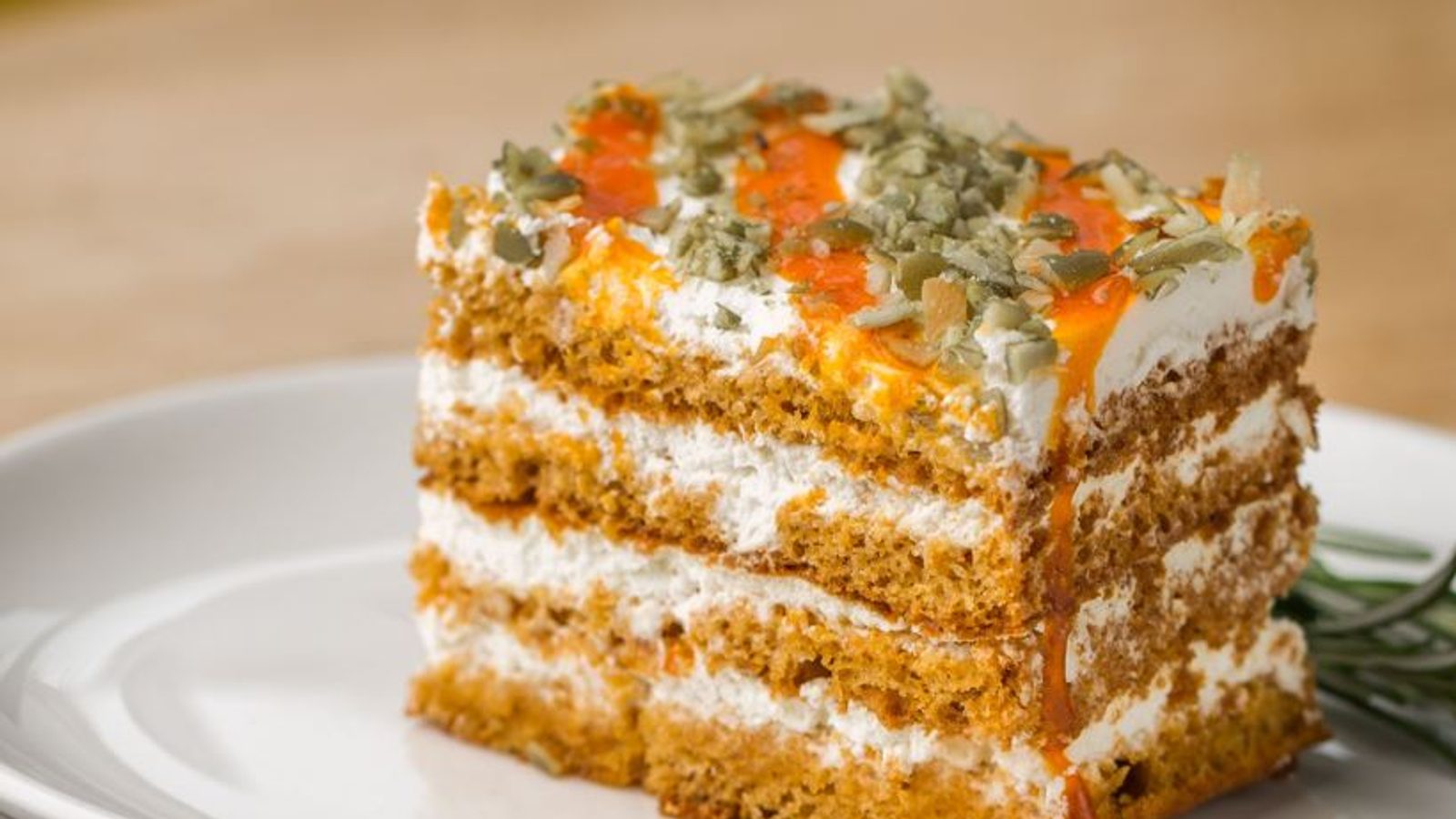
Autumn brings pumpkin into kitchens, cafés and social feeds — but beyond the orange decorations, pumpkin is a practical, low‑calorie ingredient that fits easily into everyday meals. It can be boiled, roasted or blended to make filling dishes without adding many calories.
Pumpkin was domesticated long before the Common Era in Central and South America and reached Europe and the Balkans via trade routes several centuries ago. Its thick skin and ability to keep for months without refrigeration made it valuable through cold seasons; in rural kitchens it was roasted whole, turned into porridges and preserves, and its seeds were dried as a winter snack.
Nutritionally, pumpkin is strikingly water‑rich — almost 90 percent — yet its remaining nutrients are useful. It is a source of beta‑carotene (the precursor of vitamin A), potassium, B‑group vitamins, vitamin C, small amounts of magnesium and zinc, and carotenoids such as lutein and zeaxanthin for eye health. Pumpkin also provides both soluble and insoluble fibre. Raw pumpkin contains about 20–28 kcal per 100 g; that value stays low after roasting so long as you avoid heavy oils or sugar. For comparison, 100 g of boiled potato has nearly four times the calories and much less fibre.
How pumpkin helps with weight management
- Pumpkin fills you up: its high water and fibre content make a bowl of pumpkin soup as satisfying as many more calorie‑dense dishes.
- Low glycaemic behaviour when simply prepared: its sugars enter the bloodstream gradually, avoiding sharp spikes and quick returns of hunger (this changes if pumpkin is cooked with lots of sugar or used in pastries).
- Better digestion: fibres and pectins stimulate bowel function and support gut flora.
- Reduced bloating: potassium combined with low sodium content helps the body excrete excess fluid after salty meals or long periods of sitting.
Eight pumpkin ideas you can make at home
Below are eight straightforward recipes that keep portions and ingredients aligned with a weight‑friendly approach while staying flavourful.
- Ginger pumpkin velouté (creamy soup) — Sauté onion until soft, add 1 tsp grated ginger and 500 g diced pumpkin. Cover with vegetable stock and simmer 15–20 minutes, then blend. Finish with a small knob of butter and a splash of neutral cream for a silky texture.
- Roasted pumpkin with quinoa and feta — Cut pumpkin into wedges, drizzle with olive oil, sprinkle thyme and roast at 200 °C for about 25–30 minutes. Cook quinoa, toss with fresh arugula, add the roasted pumpkin, crumbled feta and a handful of pumpkin seeds for a balanced lunch.
- Sugar‑free pumpkin pancakes — Grate 200 g pumpkin and mix with one egg, two tablespoons of oat flour and a pinch of cinnamon. Fry in a little oil until golden on both sides. Serve with Greek yogurt and fruit; the pumpkin provides natural sweetness.
- Pumpkin and oat porridge — Boil 300 g diced pumpkin, puree into mash, add rolled oats and a little milk, cook 5 more minutes. Finish with cinnamon and a drizzle of honey or chopped walnuts for extra texture.
- Pumpkin and carrot patties — Grate 150 g pumpkin and 150 g carrot, add one egg, two tablespoons of semolina or oat flour, salt and spices. Let rest 10 minutes, shape into patties and lightly fry or bake. Serve with a yogurt dip.
- Baked urda with pumpkin — Mix 300 g urda (fresh whey cheese), 200 g pumpkin purée, two eggs, two tablespoons semolina and a little honey. Pour into a baking dish and bake at 180 °C for about 35–40 minutes until golden.
- Pumpkin and orange smoothie — In a blender combine 150 g roasted and cooled pumpkin, one orange, a little Greek yogurt and a pinch of cinnamon. Add ice if desired; blends in five minutes and is healthier than sugar‑laden commercial drinks.
- Roasted pumpkin seeds — After cleaning the pumpkin, rinse and dry the seeds, toss with a little oil and salt, and roast at 180 °C for about 15–20 minutes. They make a crunchy snack rich in magnesium, zinc and plant protein.
Pumpkin deserves a regular place at the table not as a forbidden diet food but as a nutritious, economical and seasonal vegetable. Prepare it with modest amounts of fats and sugars, combine it with proteins and whole grains, and enjoy the variety — that consistency and diversity in your meals matter far more for long‑term weight control than searching for a single 'perfect' ingredient.
Photo: press material from the event