This parenting habit can turn a child into a bully
Everyday parenting habits — from dismissing feelings to ‘just joking’ remarks — can increase a child’s risk of becoming a bully; experts outline what to watch for and how to respond.
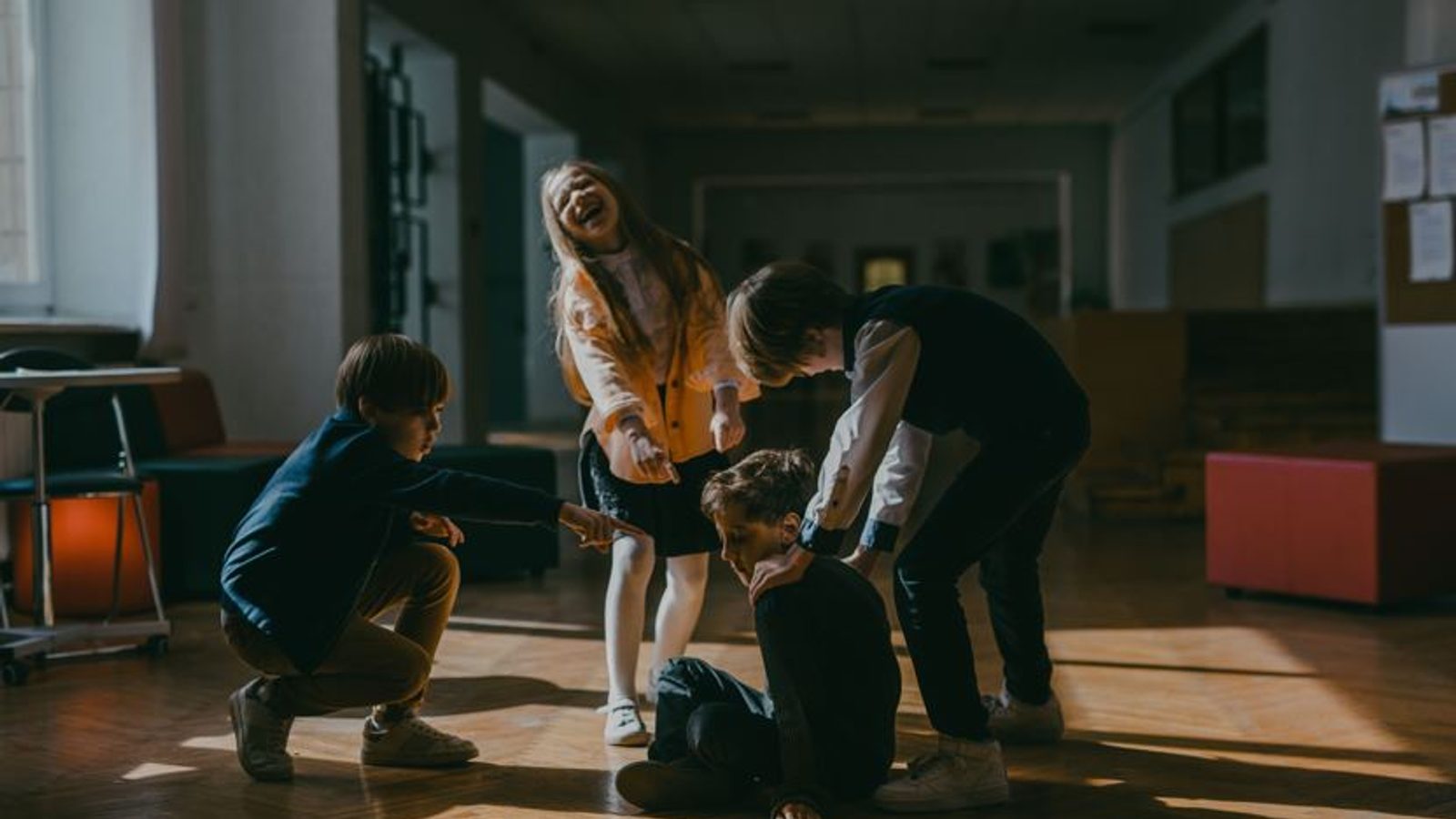
There are countless parenting tips that promise to raise kind, empathetic children — which is why learning that your child is bullying peers feels like a personal failure for many caregivers. The discovery can be upsetting and, in some cases, deeply destabilising for a family.
Research shows the problem is more common than parents expect: about 20% of students engage in some form of peer bullying during primary and secondary school, according to a reputable American public health journal. Both bullies and their victims face higher rates of mental-health problems and are more likely to struggle in school and later life; bullies in particular often go on to encounter delinquency, while victims may have long-term difficulties with social interaction.
Understanding what pushes children to become bullies — and how everyday parenting habits can unintentionally encourage such behaviour — is crucial before a situation spirals out of control.
How parental actions feed bullying
Clinical psychologist Ember Thornton says bullying often stems from deep insecurity. "Children usually bully other children to feel more powerful or to gain greater control. This most often happens when they feel personal insecurity or self-doubt, but it can also arise from difficulties with emotional expression," Thornton explains. "If a child is angry, upset or distressed, they may pour that anger onto another child just to feel better, because they haven’t developed a healthier way to express it."
Every time parents dismiss, belittle or make a child feel invisible, they raise the risk that the child will develop aggressive behaviours. "That can be rejecting or invalidating children’s feelings, harsh punishments or severe criticism — all of these things make children feel powerless and worthless," Thornton adds. "Then they try to regain that power in other ways, most often by bullying others to reclaim their own sense of importance."
Parents should also watch for behaviours hidden behind the guise of "harmless" humour: remarks framed as "I’m just joking" or "don’t be so sensitive, it’s only a joke" can be far more damaging than intended.
Family dynamics play a major role. Mental-health counsellor Anita Powell notes that children who bully often replicate negative patterns they witness among people in authority at home. "When children experience those patterns from parents without any conversation about repairing the harm, they are left to accept those models as normal ways to interact with the world," Powell says.
Studies support this: children raised with clear boundaries combined with warmth and kindness (as opposed to permissive, neglectful or overly aggressive and authoritarian parenting) are far less likely to adopt violent behaviour.
If you spot bullying behaviour in your child, psychologists advise against jumping straight to punishment and recommend these steps instead:
- Start by understanding the child’s perspective. Talk with genuine curiosity and concern, making it clear you take the situation seriously.
- Explore their inner world. Ask what they felt and what thoughts led them to act that way.
- Provide professional help when needed. Sometimes therapy is necessary for a child to deal with accumulated anger, anxiety or to learn healthier social skills.
"A child who feels safe enough to recognise and express their emotions has very little chance of becoming a bully. Violent children actually feel extremely unseen and powerless inside. They gain real power only when someone truly listens to them, sees them and values them," the experts conclude.
Photo: press material from the event