Drone crash near Romania border exposes gaps in Bulgarian defence
The crash of the “Maya” drone on 8 August in Kardam revealed a lack of detection systems and raised questions about Sofia's foreign policy.
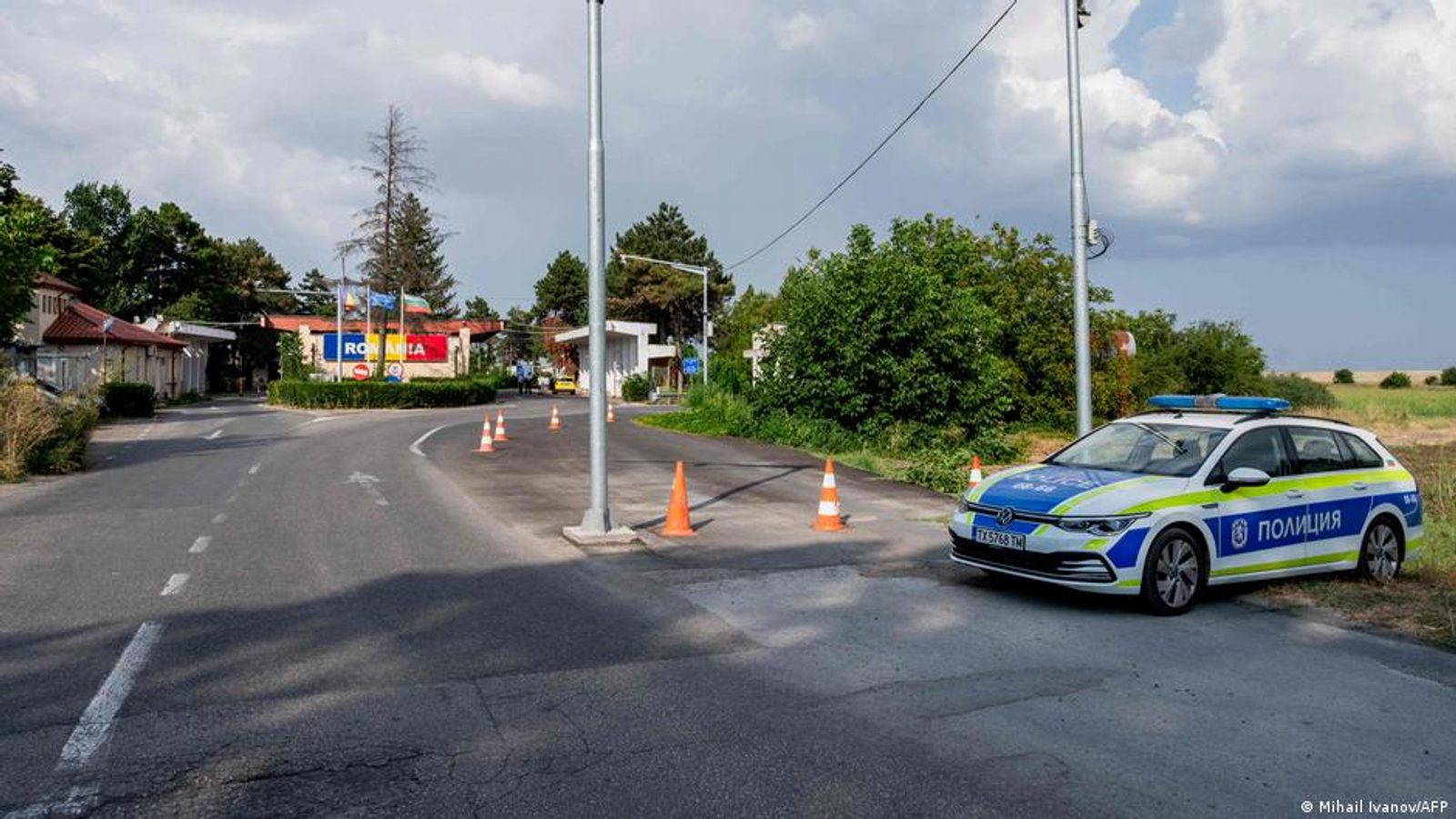
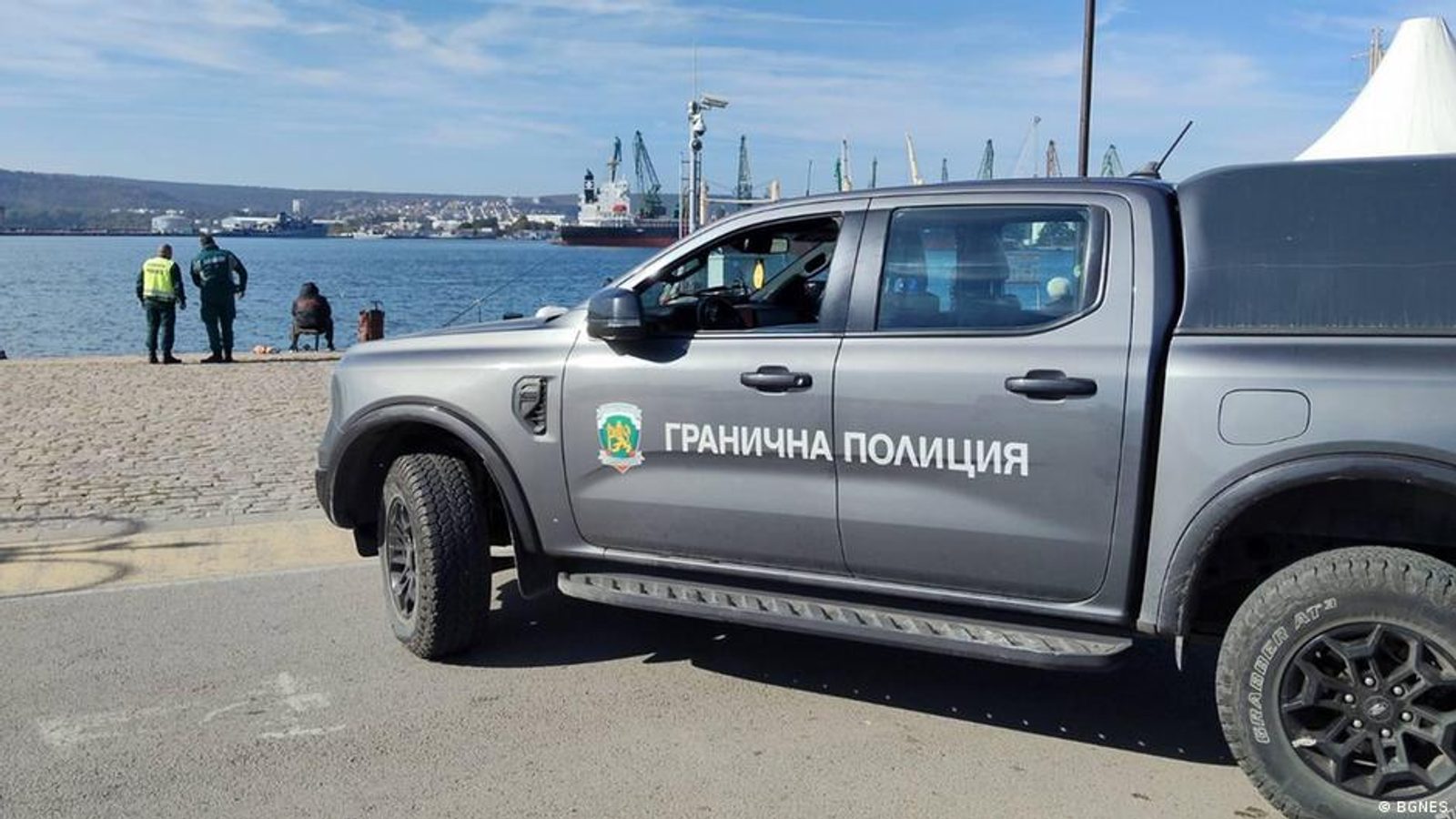
On 8 August 2026 a Ukrainian decoy drone of the type “Maya” crashed and exploded in a field of sunflowers near the village of Kardam in northeastern Bulgaria, about 100 metres from the border crossing with Romania. The incident revealed weak points in Bulgarian air defence and immediately sparked a political debate over the country’s stance toward the war in Ukraine.
Police and military services secured the site after a loud explosion was heard at 08:10 local time. Prime Minister Rumen Radev stated that there were no casualties nor damage to infrastructure, but he claimed the drone was carrying a “significant amount of explosives.” Representatives on the ground described a less dramatic picture — the explosion did not create a crater and only a few sunflowers were damaged.
The collected material lay about one kilometre from Bulgaria’s compressor station on the route of the Trans‑Balkan gas pipeline, which connects Turkey and Ukraine, and in the immediate vicinity of a Romanian station. That immediately raised questions whether critical energy infrastructure could have been a target.
Security gaps and the need for counter‑drone systems
Authorities said that neither Bulgarian, nor Romanian, nor other NATO radars registered the drone, which, according to Prime Minister Rumen Radev, indicates a lack of modern equipment capable of detecting small, low‑flying unmanned aerial vehicles. Minister of Defence Dimitar Stojanov directly warned: "Yes, we need new counter‑drone systems and they must be procured quickly." He announced plans to acquire up to ten counter‑drone systems and electronic warfare capabilities through the SAFE mechanism of the European Union and to speed up the purchase of new radars, but acknowledged that this would not provide full coverage.
Stojanov also pointed out that Bulgaria currently has no national strategy for countering drones: "Wars with drones have been fought in our neighbourhood since 2023, and so far no concrete measures have been adopted," he said, indicating the beginning of changes in how air threats are being addressed.
Investigators have still not been able to reconstruct the exact trajectory of the aircraft before it passed over Romania and entered Bulgaria; the aircraft was partially destroyed. Authorities said the GPS system was not protected, leaving the possibility of manipulation. Scenarios of "spoofing" — electronic interference that alters the GPS signal — were cited, as well as technical malfunction after a defective chip was found. The Ministry of Defence refused to comment on whether the possibility of Russian electronic interference is being actively investigated.
Former Minister of Defence Todor Tagarev assessed that it is most likely electronic warfare that led to loss of control over the drone as a result of actions by Russia: "The most likely hypothesis is that electronic warfare led to loss of control over the drone as a result of actions by Russia." He also added criticism of the diplomatic approach: "I think that the Bulgarian foreign minister called the Ukrainian one too quickly, instead of the Russian ambassador." Kyiv announced full cooperation to clarify the incident.
The incident acquired a political dimension because it comes as Sofia is shifting its foreign policy under the leadership of Rumen Radev and his movement Progressive Bulgaria: in recent months Bulgaria has halted state deliveries of weapons to Ukraine, blocked efforts in the European Union to impose sanctions against the head of the Russian Orthodox Church and refused to join a coalition of states supporting Ukraine. Russian officials welcomed the government’s restrained rhetoric — they described it as "more restrained" and "more rational."
Photo: press material from the event