Mother of appellate judge Gjoko Ristov says €350,000 found in wall were hers
Donka Ristova told the court the cash was accumulated since 1975 and kept for old age; forensic tests found her son’s DNA on the foil wrappings.
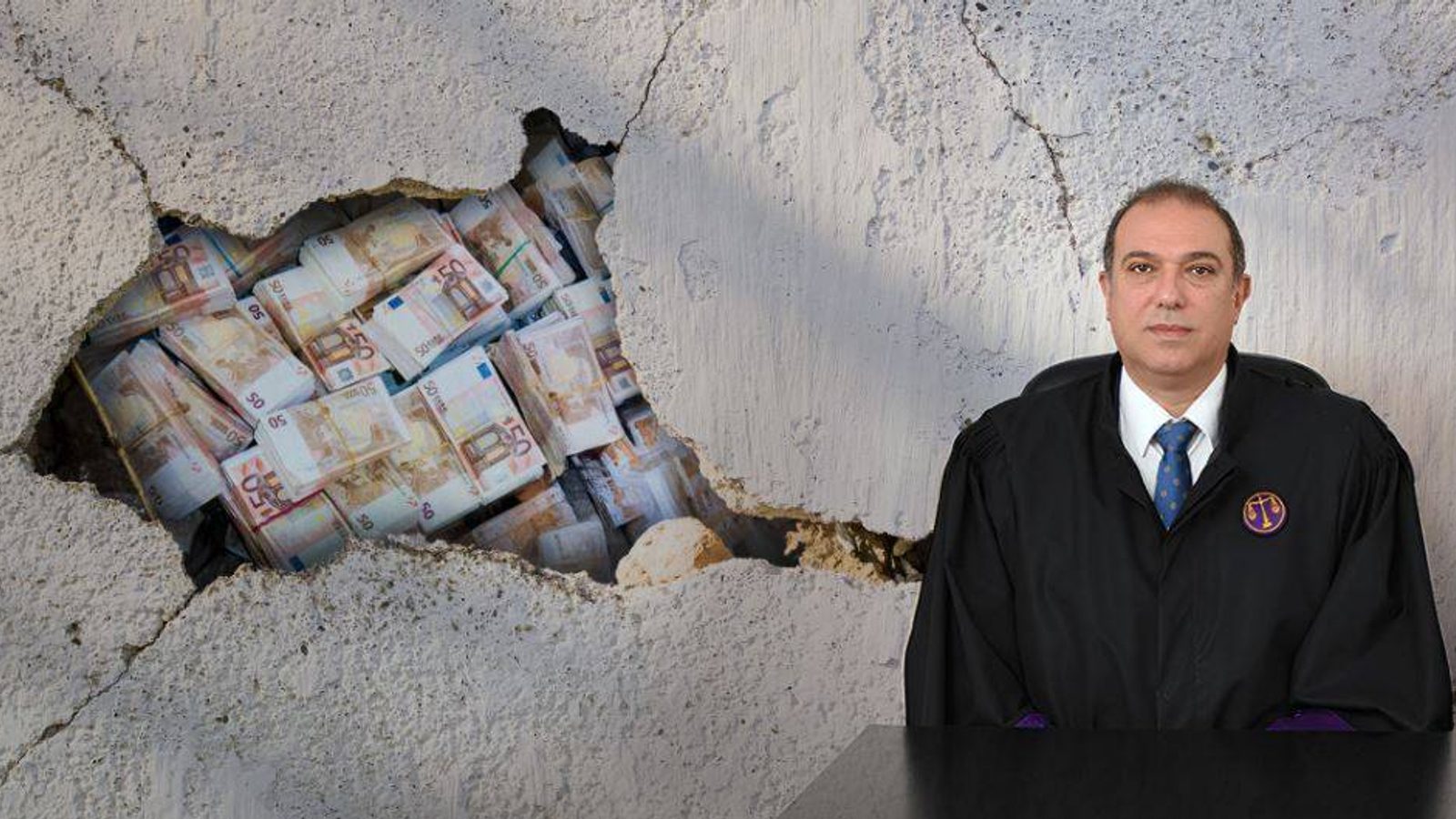
The mother of appellate judge Gjoko Ristov told a court that the 350,000 euros found hidden in a kitchen wall cavity at her family home in Negotino were saved by her and her husband over decades for their old age.
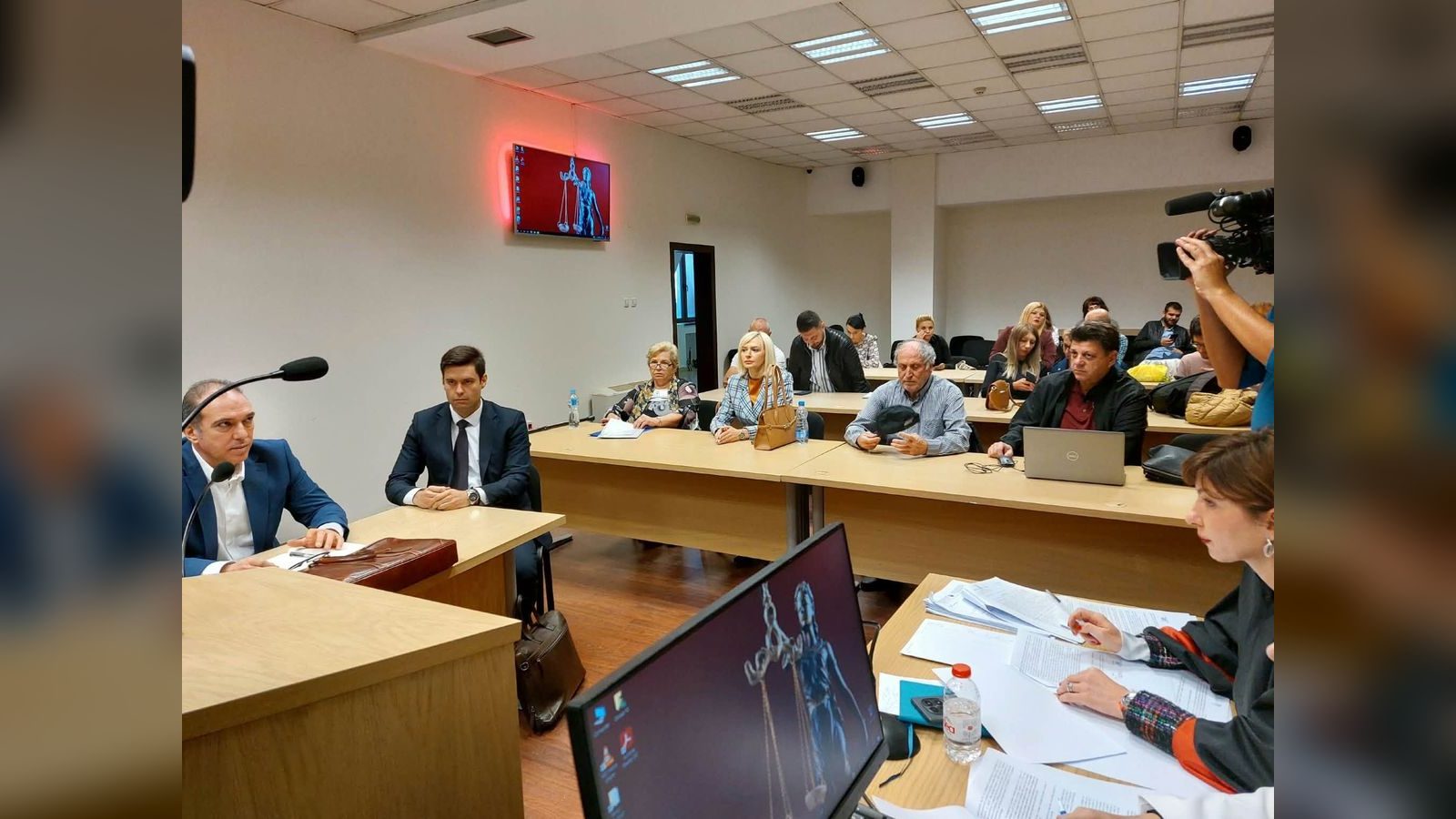
Donka Ristova testified on the hearing day in the trial against her son, who is accused of concealing assets and money laundering. She said the money was kept in small foil-wrapped bundles inside holes in the bricks behind a loose tile and that she had been storing cash there since the house was built in 1975.
Asked by the judge and by the defence lawyer Dzvonko Davidovic about the searches, Ristova said the house was searched twice — on December 29, 2025 and on January 18 and 19, 2026 — and that she was not present at either, because she was recovering from an operation on the first date and at a spa on the January dates.
Describing how she hid the money, she told the court: "I could not come, the younger son Angel came from Skopje and took it to the house in Negotino. They carried out a two-day search. The first day they worked, they searched, but there was nothing and they scheduled it again for the next day. Then they searched again and found my place where I kept the money. It was up in the upper niche behind the workbench, the refrigerator. The tile was glued only in four places so it would not fall and I found a convenient spot, not from last year, from 1975. When a little money remained, the tile as it was detached opened like a little window, and I put the money in small foils into the holes of the bricks."
She said the total sum was 350,000 euros: 250,000 euros in 50-euro notes and the remainder—100,000 euros—in 500- and 200-euro notes. "They were a guarantee for my old age, for hard days," she told the court.
Family finances and the DNA question
Ristova explained that she and her husband Zdravko had accumulated the funds across their 57-year marriage from sales of agricultural produce — watermelons, melons and peppers — often travelling to markets such as Gornji Milanovac. "From everywhere I sold goods, we are a farming household, watermelon, melon, pepper. I went to Gornji Milanovac, wherever I went. I would wrap them in white paper, in a small plastic bag and tuck them in," she said.
She said they converted older German marks into euros and exchanged smaller denominations into larger ones to save space. She told the court she last added money to the hiding place in 2023–2024 after her health declined, and that the cash was only known to her and her husband; their sons did not know about it. When prosecutors noted that forensic testing found DNA traces of Gjoko Ristov on the foils but not the parents' DNA, both Donka and Zdravko Ristov said they did not believe the traces came from their son.
Photo: press material from the event