Five European countries seek cuts to EU’s proposed €2 trillion budget
Germany convened leaders from five EU member states in Berlin to coordinate efforts to cut the European Commission’s proposed €2 trillion budget for 2028–2034.
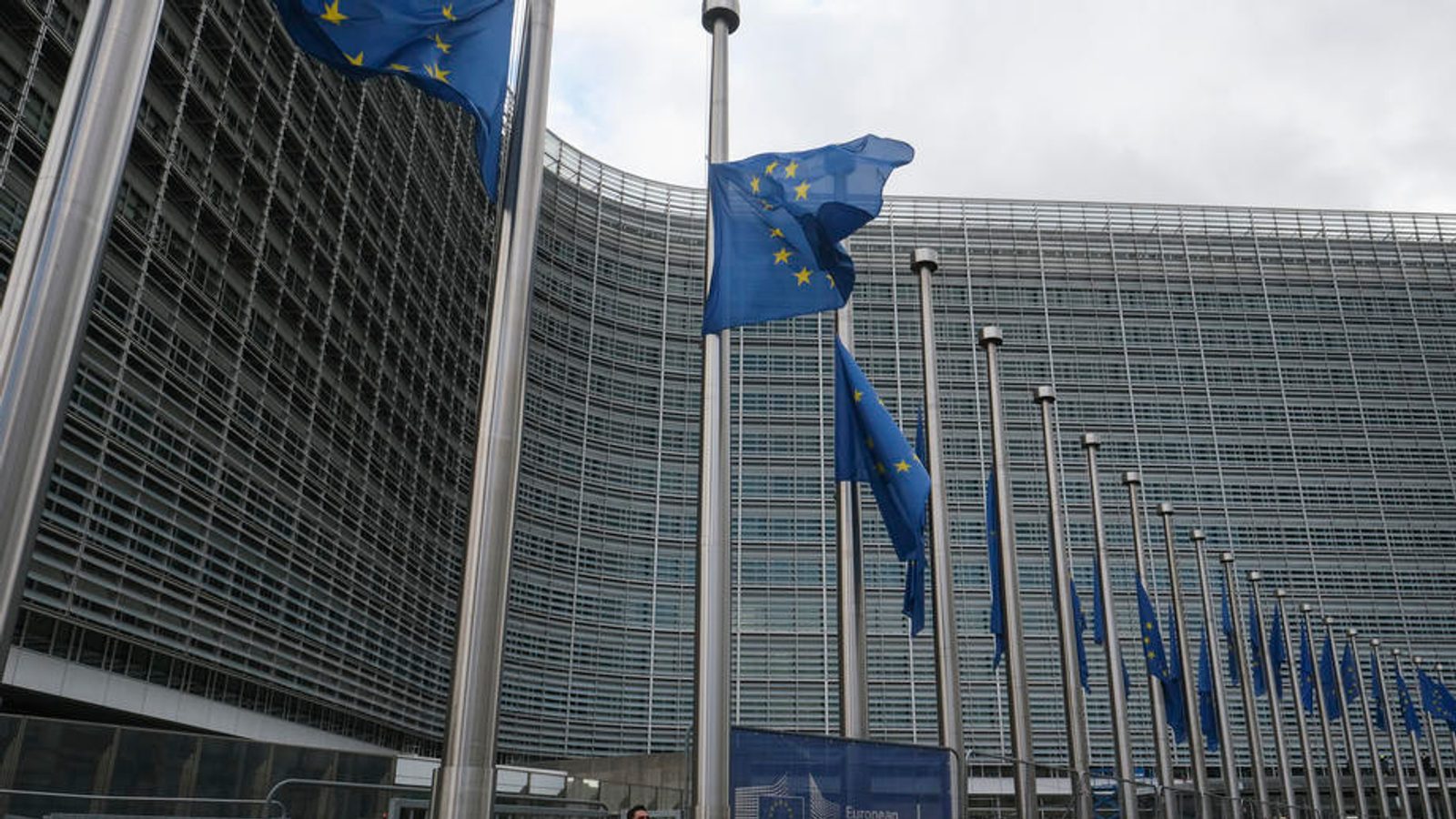
Germany has rallied four EU partners to press for a smaller long‑term European Union budget than the roughly €2 trillion package proposed by the European Commission for 2028–2034, convening leaders in Berlin to coordinate a tougher negotiating stance.
Disagreement over size and priorities
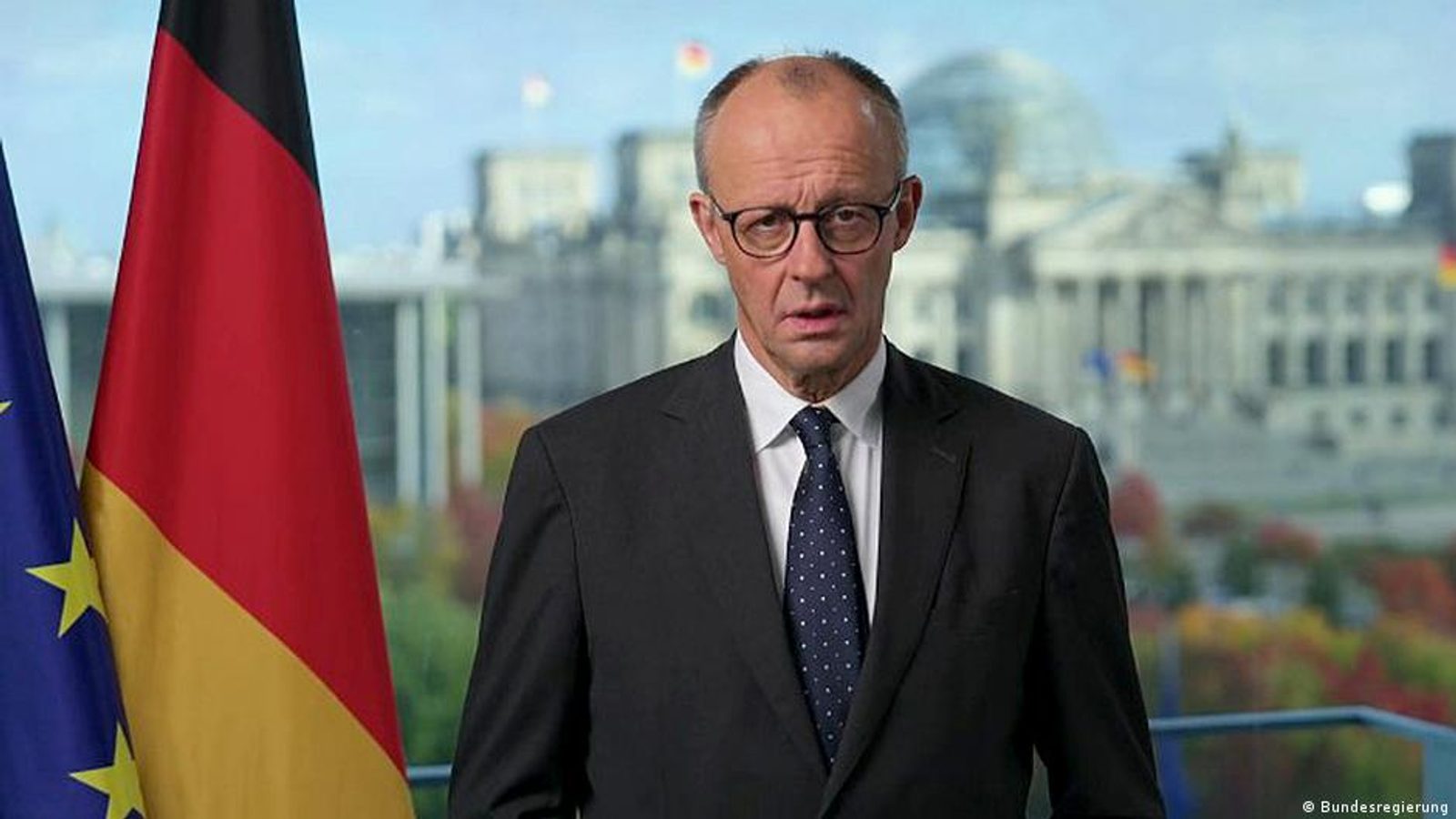
Chancellor Friedrich Merz brought together leaders from Denmark, Austria, Finland and the Netherlands in Berlin to map out common positions ahead of EU‑wide budget talks. The Commission’s draft — amounting to around two trillion euros for the seven‑year period — has provoked resistance from several member states that want the final financial framework agreed this year.
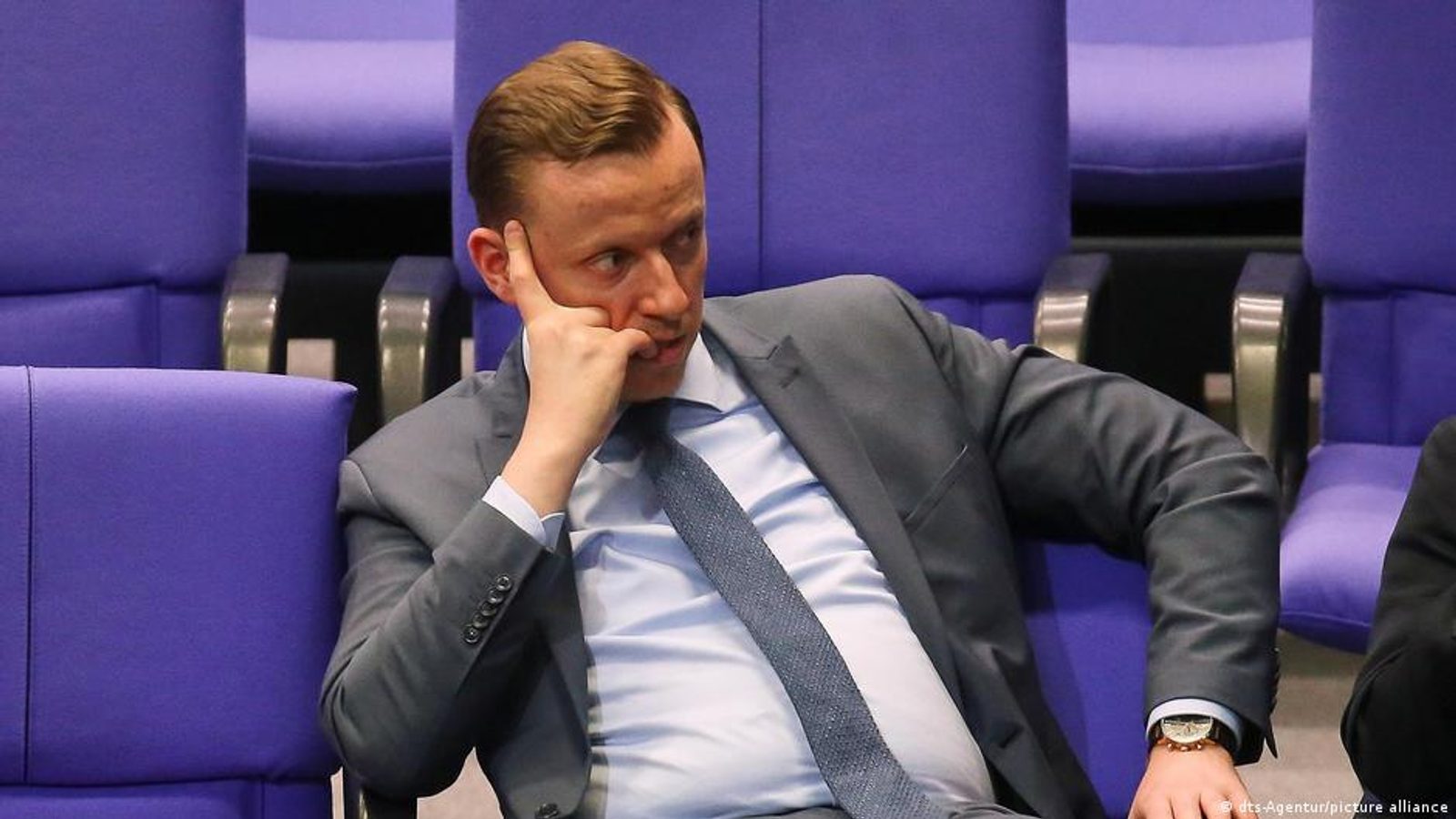
Austria, represented at the meeting by Chancellor Christian Stocker, argues that the Commission’s proposal remains too large even after initial adjustments and is seeking a sizeable reduction of the overall envelope. Stocker warned that countries which contribute larger sums to the EU budget “must not be treated as an ATM for the European Union,” and said that if member states are required to make savings at national level, the same restraint should apply to EU institutions. Vienna nevertheless insists cuts must not automatically translate into reductions for regions and agriculture, and wants the future budget to preserve funding for cohesion programmes and the common agricultural policy while supporting competitiveness and growth.
Berlin’s demand is sharper: Germany is pushing to reduce the Commission’s roughly €2 trillion proposal to about €1.6 trillion for the 2028–2034 period, proposing cuts of several hundred billion euros across many headings. German negotiators also want a clearer reflection in the financial framework of the EU’s new political priorities and are exploring how much new own‑resource revenue could contribute to the Union’s income.
The timing for an agreement is influenced by electoral calendars. Germany and France want the multiannual financial framework settled before next year because elections in France, Poland and Italy in 2027 make a later deal harder to secure. Ireland, which currently holds the Council presidency, is expected to present a new financing table in October to serve as the basis for further talks. The budget debate is likely to become difficult as countries that receive large EU transfers defend their allocations, while major net contributors seek to limit the overall burden.
Photo: EPA-EFE/OLIVIER HOSLET