Five drink groups that can affect bone health — what to drink instead
Five drink types—sodas, alcohol, energy drinks, high‑sugar juices and excessive caffeine—can indirectly weaken bones when consumed regularly.
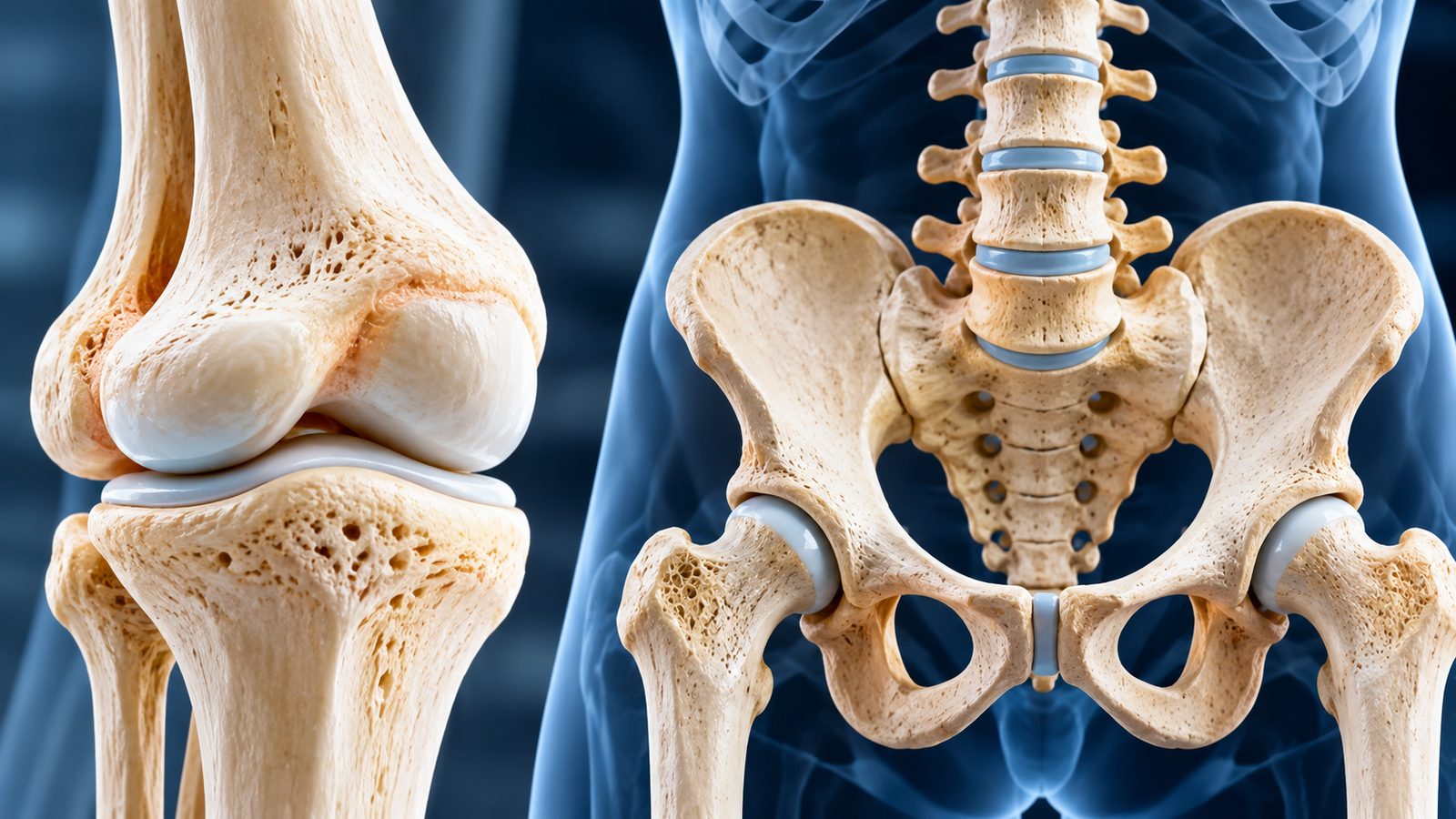
Bones do more than hold the body together: they protect organs, store minerals and participate in blood formation. Bone tissue is constantly remodelled throughout life, and nutrients such as calcium and vitamin D, adequate protein and regular physical activity are central to keeping bones strong.
What we drink matters because beverages can either supply important nutrients or, when consumed in excess, replace more nutritious options and contribute to lifestyle patterns that harm bone health. Below are five groups of drinks to be cautious about.
1. Sugar‑sweetened carbonated drinks. Frequent intake of sweetened sodas is not a good choice for overall health, and some studies link high consumption to poorer bone outcomes. Cola‑type drinks may contain phosphoric acid and caffeine, but it would be inaccurate to say that a single glass directly "pulls" calcium from bone. The bigger problem arises when sodas regularly replace milk, yogurt or other calcium‑rich foods. Added sugars also raise other health risks and can contribute to weight gain and metabolic problems. Better everyday options are water, unsweetened mineral water or herbal tea; a slice of lemon or mint can add flavour without sugar.
2. Alcohol. Long‑term heavy drinking is a more serious factor for bone health. Alcohol interferes with new bone formation and with the metabolism of nutrients that bones need. People who chronically consume large amounts of alcohol can face lower bone density and a higher risk of osteoporosis. Alcohol also impairs balance and coordination, increasing the chance of falls — and in someone with weaker bones a fall can cause a serious fracture. When it comes to bone health, the simple rule is: less alcohol is better, and those who do not drink don’t need to start.
3. Coffee and other caffeinated beverages. Coffee is not necessarily an enemy of bones. For most healthy adults, moderate coffee intake can fit into a balanced diet. The potential issue is excessive caffeine, especially in people who do not get enough calcium from their diet. Caffeine can modestly increase calcium excretion in urine, so coffee drinkers should check total caffeine from all sources — coffee, tea and energy products — and ensure adequate calcium intake. Also consider what’s added to coffee: large sweetened specialty drinks with syrups and whipped cream differ nutritionally from plain coffee.
4. Energy drinks. Many energy drinks contain high amounts of caffeine and a lot of added sugar. Caffeine levels vary widely between products, so one can may not equal one cup of coffee. If energy drinks regularly replace water or calcium‑containing beverages, they can contribute to a less favourable overall diet. Better strategies for daytime energy are adequate sleep, regular meals, water and physical activity.
5. Sweetened fruit juices and sugary fruit beverages. Whole fruit and fruit juice are not the same: whole fruit provides fibre and usually feels more satisfying, whereas a glass of juice can contain the sugar of several pieces of fruit and be consumed quickly. Fruit nectars and drinks with added sugar are an even bigger concern. A modest glass of 100% fruit juice on occasion is not likely to damage bones, but daily large amounts of sweetened fruit beverages — especially if they replace water or more nutritious choices — are a poor habit.
How to support bone health
Bone is constantly renewed: old tissue is broken down and replaced. Calcium is one of the main mineral components, and vitamin D helps the body absorb it. Protein, magnesium, phosphorus and other nutrients also matter. Weight‑bearing activities — walking, running, stair climbing and resistance exercises — signal bones to maintain strength. Older adults, postmenopausal women and people with a family history of osteoporosis should pay special attention to bone‑supporting nutrition and lifestyle.
Practical drink choices include water for daily hydration, milk and some fortified plant milks for calcium (check labels), kefir and yogurt drinks for calcium and protein, and unsweetened herbal teas for a warm, caffeine‑free option. Smoothies made with milk or yogurt and whole fruit can provide protein, calcium and fibre, but watch added sugars. In the end, occasional soda, coffee or juice is less important than the habits you repeat every day: a balanced diet, enough calcium and vitamin D, regular movement and limiting alcohol and sugary drinks matter most for keeping bones healthy.
Photo: press material from the event