Five Macedonian churches and monasteries known for miracles
Short trips to monasteries and churches — Bigorski, Katlanovo, Velgosti and more — for prayer, healing springs and quiet reflection.
In North Macedonia there are small, often quiet sanctuaries where believers say they have experienced healing, answered prayers and deep spiritual calm. A short trip to one of these sites can be less a tourist outing than a break from everyday noise — a chance to slow down, reflect and walk in nature.
Five sites worth visiting
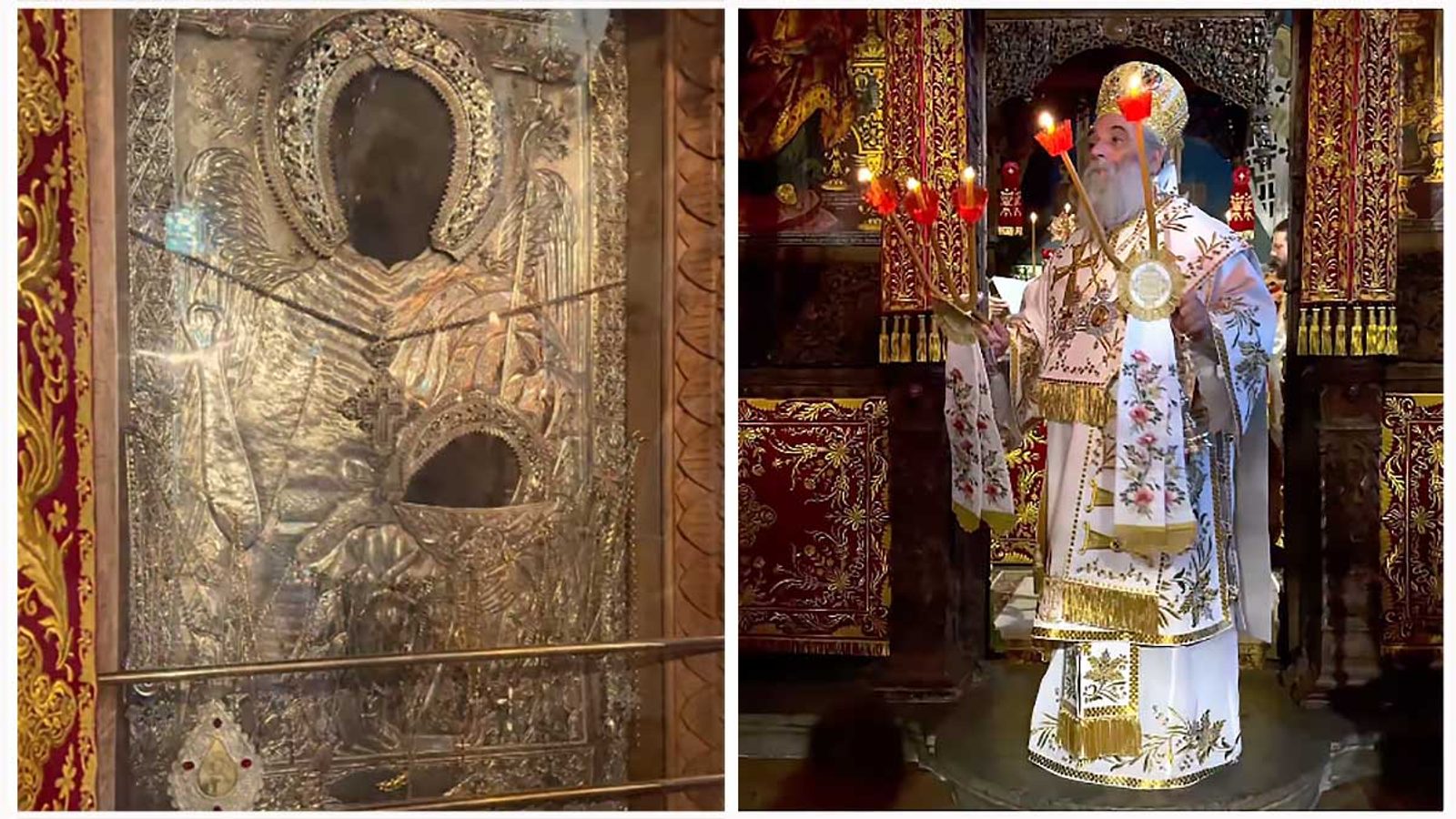
St. John Bigorski Monastery sits in the scenic canyon of the Radika River and has been a spiritual landmark for around a millennium. The monastery houses the famous miraculous icon of Saint John the Baptist, which tradition says once floated above the spring where the monastery was later built. The icon is covered with a silver riza and surrounded by votive offerings; believers attribute to it numerous miracles, from help for childless couples to recoveries from serious illness and renewed inner peace. The monastery also preserves a prized kivot containing a large portion of the relics of Saint John the Baptist, a fragment of the Honorable Cross and relics of other saints.
Saint Nedela Sanctuary — Katlanovo perches on cliffs above the Pčinja canyon, roughly twenty kilometres from Skopje. The site combines dramatic rock scenery with springs that many visitors consider healing. Several holy fountains, including the so-called Savina fountain, are traditionally believed to aid health, eye problems and couples hoping to have children.
St. Petka Monastery — Velgosti (Ohrid region) lies on the slopes of Olmec hill above the village of Velgosti and is known in local folklore for the intercessions of Saint Petka. Pilgrims visit to pray for recovery from serious ailments, to leave wishes, and to find a quiet place for contemplation away from city life.
St. Petka Church — S'lp (Veles region) is a smaller, less crowded site on the right bank of the Vardar River near the village of S'lp. Its riverside setting and modest scale make it a good spot for meditation, short spiritual pauses and a quiet walk close to nature.
Practical tips for visitors: plan either an early-morning or late-afternoon visit, dress modestly and behave respectfully while inside the holy places, and consider putting phones away to allow time for reflection. After a visit, many travellers end the day with traditional fare at nearby restaurants; for example, the ethnographic eatery House of the Miyaks near Bigorski offers local Miak dishes and Turkish coffee with lokum.
Photo: press material from the event