PET scanner returns to service after isotope delivery from Istanbul; nine patients to be scanned daily
Health ministry secured radioisotope from Istanbul to restart the PET scanner; Belgium is processing export documents for cyclotron parts and talks with Sofia continue to enable weekend deliveries.
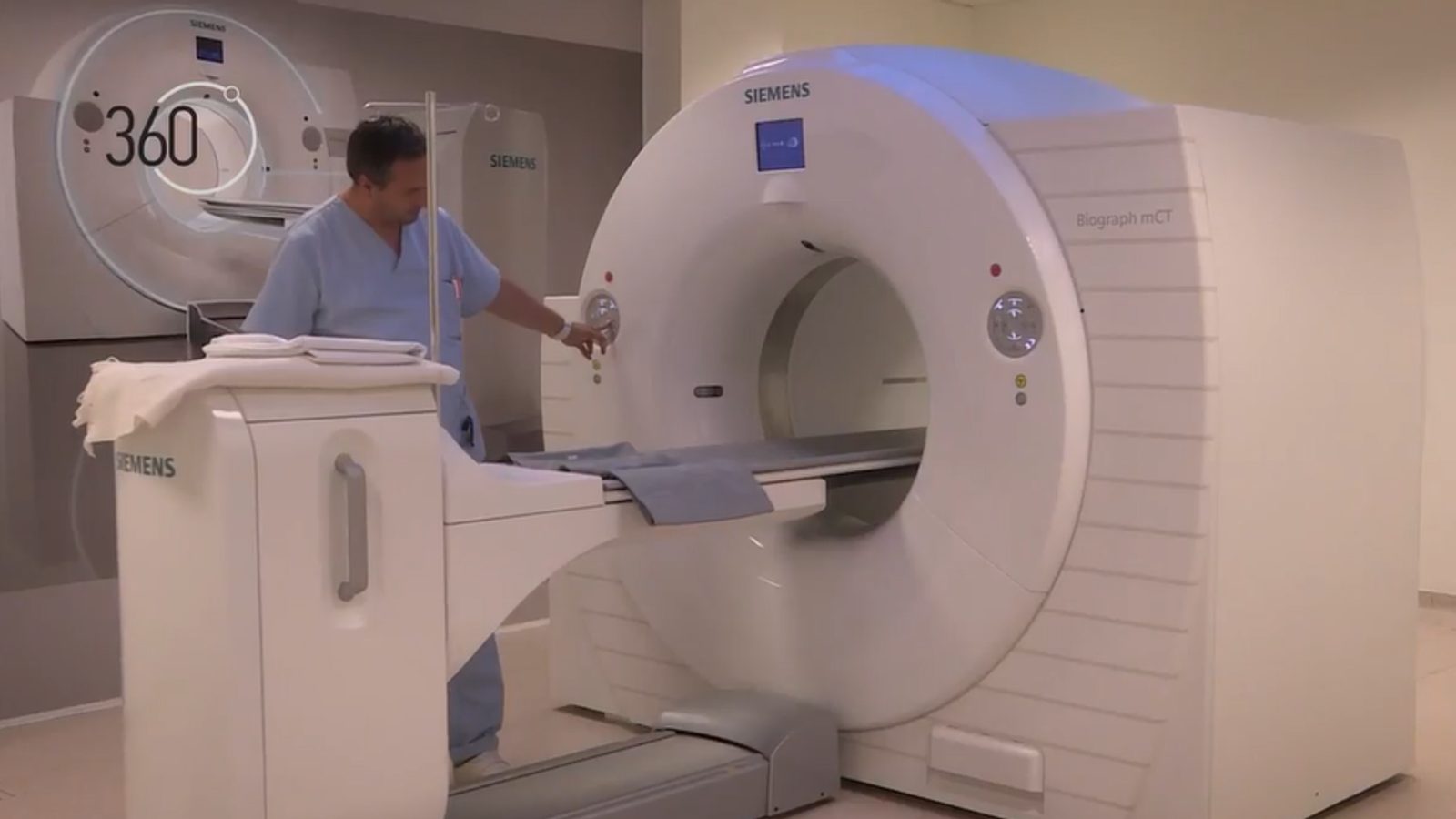
The only PET scanner in the public health system has been returned to service after being out of operation for more than a month because of a cyclotron malfunction, the Ministry of Health reported. The machine resumed work after a shipment of radioisotope material arrived from Istanbul; nine patients are scheduled for scans today.
Cyclotron repairs and supply alternatives
Health Minister Sasho Klekovski said Belgium is currently approving export papers for the parts that must be replaced on the cyclotron, the system that produces the radioisotopes. He expressed confidence the cyclotron problem will be resolved quickly.
Klekovski said the defect had been discovered during routine service and attributed it to improper maintenance by the supplier and to a specific problem with an oil product that is subject to restrictive export controls. In the short term, the ministry secured the needed radioisotope dose from Istanbul so the PET scanner could start operating again.
"I want to thank the Macedonian and Belgian ministries of foreign affairs because this is material with restricted, controlled export. We believe the cyclotron problem will be resolved quickly. As of today the PET scanner started working, nine patients are scheduled today, the necessary quantity of radioisotope was brought from Istanbul. We are communicating with Sofia because Istanbul operates Monday through Thursday; we want to secure an alternative to Istanbul so the PET scanner can also operate on Saturdays," Klekovski told reporters.
According to the minister, in previous years the PET scanner operated at a capacity of about 2,100 to 2,200 scans per year, with a record of roughly 2,700 scans last year. Before the routine service began this year, about 1,100 scans had been completed when the cyclotron problem was discovered. Klekovski said that with accelerated work he expects the service to reach between 2,200 and 2,3000 scans by the end of the year. He also said the long-term target should be roughly 5,000–6,000 scans annually to meet patient needs and noted the PET scanner is used not only for oncology and hematology but also for neurology.
While the PET scanner was offline, the ministry informed the Oncology and Radiotherapy Clinic and other clinics so patients could be triaged and monitored using other available diagnostic methods to avoid interruption of treatment. The opposition SDSM has criticized the minister in recent days for what it called an amateurish approach to managing the sector.
Klekovski said he supports buying a second PET camera and preparing alternative supply plans for times when the cyclotron is under repair or out of service. For now, the ministry plans to scan nine to ten patients a day while trying to bridge Saturday coverage until a permanent supply solution is secured.
Photo: Printskrin