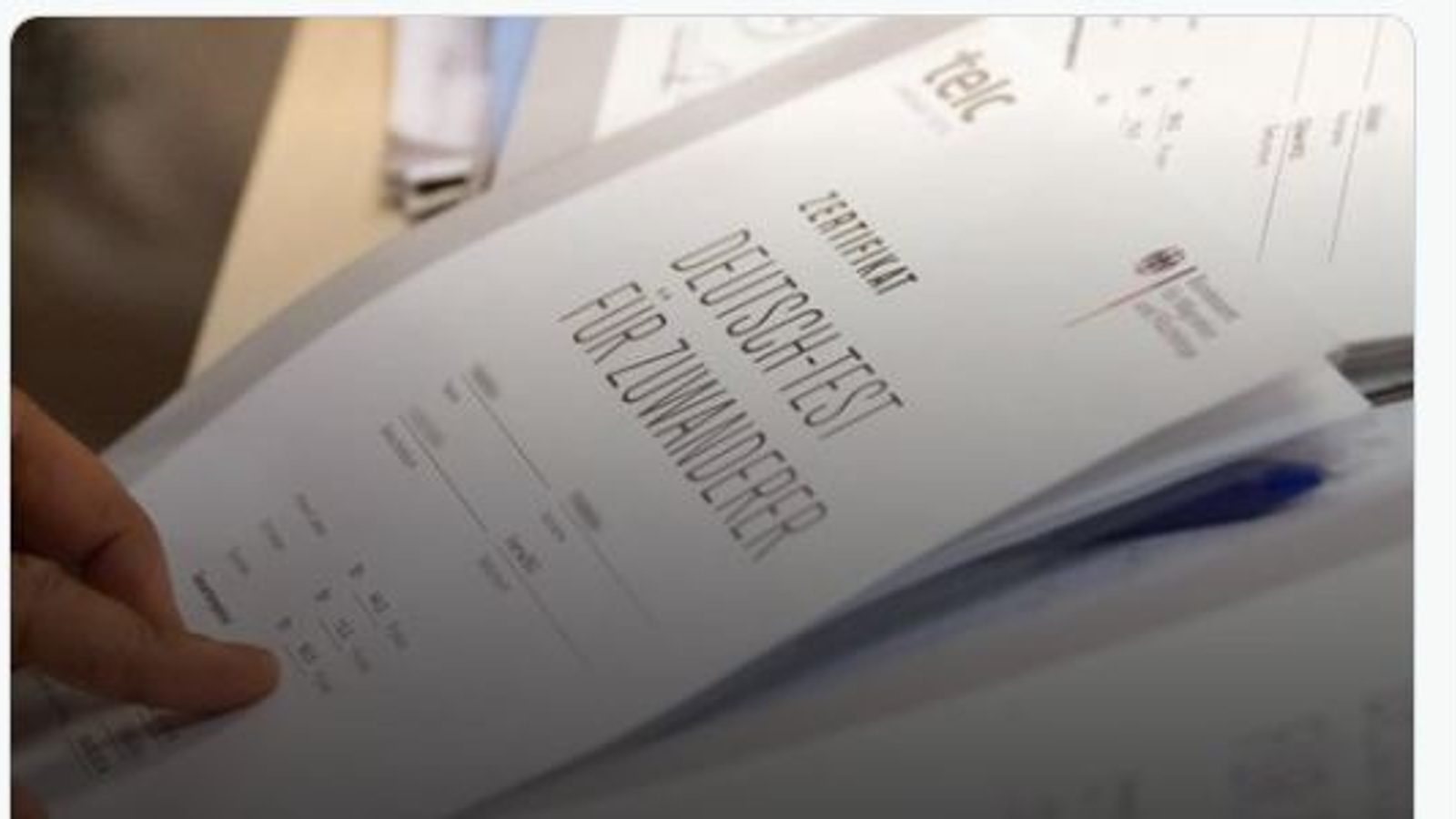
PISA 2025: Global fall in reading and maths — Germany slips further
PISA 2025 finds large falls in reading and mathematics across many countries; Germany records another deterioration compared with 2022.
Results from the PISA 2025 assessment, published on 8 September 2026, show a marked global decline in 15‑year‑olds' ability to apply reading and mathematics skills to real‑world problems. More than 760,000 pupils in 91 countries and economies took part in the test.
The decline is broad. Between 2015 and 2025, reading skills fell by 28 points on average across OECD countries and by 16 points in other participating countries and economies. Mathematics scores in OECD countries dropped by 22 points on average (an 8‑point fall outside the OECD), while science—the focus of the 2025 cycle—declined by 7 points within the OECD and remained broadly stable elsewhere. Nearly a third of students in OECD countries are now classified as "low performers": about 29 percent of 15‑year‑olds scored at low performance levels across all three domains.
Where the losses are largest
Reading suffered especially: across OECD nations the average reading score fell by 25 points, and the report notes that a 20‑point change is roughly equivalent to one year of learning, implying many 15‑year‑olds now perform at the level expected of 14‑year‑olds. The steepest drops in OECD reading were recorded in Iceland and Slovenia, where performance declined by more than 50 points.
Only five jurisdictions improved their reading results: Qatar (+11), Brunei Darussalam (+18), Cambodia (+26), the Philippines (+27) and Zambia (+50). The top positions in reading remain dominated by Asian economies.
Variability between schools is a major concern in several countries. In ten systems, including Germany, between‑school differences account for at least half of the total variation in student performance. The presentation of the findings warned that this type of academic sorting, when combined with social background, deepens inequality. "Where such academic segregation combines with social background, inequalities are amplified, pockets of excellence are created, and consistent results across the education system are not delivered," the presenters said.
Germany performed worse than in previous cycles. Compared with the 2022 assessment, German pupils scored 15 points lower in reading, 11 points lower in mathematics and 7 points lower in science. In the 2025 ranking Germany sits 23rd in reading (just above the OECD average), 26th in mathematics (below the OECD average) and 23rd in science (two points above the OECD average). The report highlights that some German schools appear to be reserved for higher‑achieving pupils while others enroll a disproportionate share of lower‑achieving students.
The study does not point to a single cause. While school closures during the COVID‑19 pandemic may have played a role, the data show no direct relationship between the length of closures and reading outcomes. Longer‑term declines seen in many countries suggest deeper structural problems in education systems. The report flags digital distractions and declining interest in book reading, and notes immediate effects from artificial intelligence: over 40 percent of students reported using AI to write texts for school assignments once or twice a week, and some daily. Pupils who reported using AI chatbots averaged lower science scores than those who did not.
Policy makers face the task of not only recuperating lost learning but reshaping schools for a rapidly changing world. The study also points to a role for parents: "Even something as simple as asking children what they learned or did at school, about once a week or more, is associated with an average increase of 26 points in science performance, after accounting for socio‑economic status," the report finds. "Overall, the data point to weaknesses in the way education systems adapt to social, technological and economic change."
Photo: press material from the event