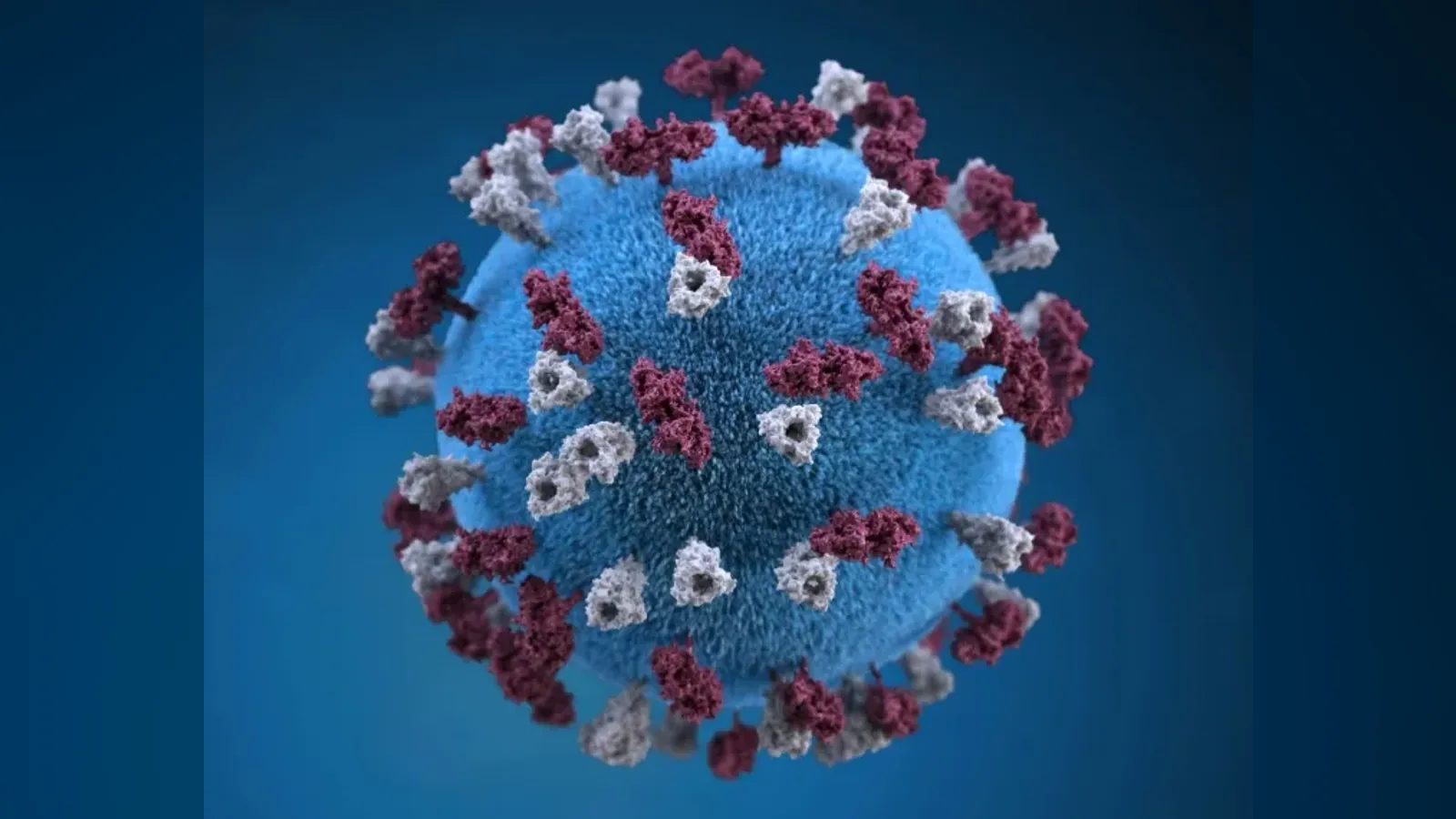
United States loses measles elimination status after 26 years
Independent PAHO experts say measles are spreading continuously again in the United States after years of falling vaccination rates.
The United States has lost its status as a country where measles had been eliminated after an independent panel of experts at the Pan American Health Organization determined the disease is again spreading continuously within the country.
Measles had been declared eliminated in the United States in 2000 following widespread vaccination. Scientists say the change in status follows several years of falling vaccination coverage and a sharp rise in cases across multiple states.
A public health laboratory in Utah published a study showing the same strain of measles circulated in that state for more than a year, with more than 600 cases recorded between June 2025 and June 2026. Long-standing outbreaks were also reported in South Carolina, Pennsylvania, Wisconsin, New York and elsewhere.
Widespread outbreaks and vulnerable groups
This year the United States has logged more than 5,400 measles cases — the highest total since 1991. Most cases are linked to 43 new outbreaks in 2026, while over 1,000 infections originated in outbreaks that began last year. Nearly all of the people who became ill were unvaccinated with the MMR vaccine or had unknown vaccination status.
According to Centers for Disease Control and Prevention data, about one in nine reported patients was hospitalized, and state reports show at least 10 people have died after contracting measles. Two doses of the measles, mumps and rubella (MMR) vaccine reduce the risk of disease by 97 percent.
Experts warn measles can cause severe complications beyond fever and rash. "Measles can erase the immune memory of the body, leaving a patient vulnerable to secondary infections such as pneumonia or diarrhea," said William Moss, a measles expert at Johns Hopkins University. Pregnant women who become infected can pass the virus to the fetus, and in rare cases a fatal neurological condition known as subacute sclerosing panencephalitis can develop years after infection.
"This is a step backward for a generation of public health progress," said Nuwan Gunawardhana, an epidemiologist at Columbia University Medical Center, adding that the most vulnerable are children too young to be vaccinated and people with weakened immune systems following organ transplants or cancer treatment. Peter Hotez, co-director of the Vaccine Development Center at Texas Children’s Hospital, called the loss of elimination status "shameful" for the country but emphasized the more important message: measles have returned, are widespread, and because of declining vaccination the situation will not quickly return to normal.
Measles ranks among the most contagious viruses known: a single infected person can typically infect 12 to 18 others, the virus spreads through the air and can remain in a room for hours after an infected person has left. In 2016 PAHO and the World Health Organization declared all 35 countries in the Americas free from continuous measles transmission, but the regional status was lost last year after Canada also lost its elimination status following a prolonged epidemic in multiple provinces.
Photo: SDK.MK)