German Greens win state gains but pivot to defending democracy
Electoral surprises restored seats in several state parliaments, but AfD’s strong results push the Greens to emphasise the defence of democratic institutions.
The German Green Party recorded unexpected gains in several state ballots in September 2026, but party leaders say those wins are overshadowed by the strong performance of the far-right Alternative for Germany (AfD) and have redirected their priorities toward defending democracy and the rule of law.
Greens seek a broader centrist front
After a difficult period following their exit from the federal coalition earlier in the year, Green leaders found cause for relief in results from Baden-Württemberg, Saxony-Anhalt and Mecklenburg-Vorpommern. The party’s candidate in Baden-Württemberg, Cem Özdemir, was reported as the new state premier from 13 May, and a photograph caption notes he took his oath on 6 May 2026.
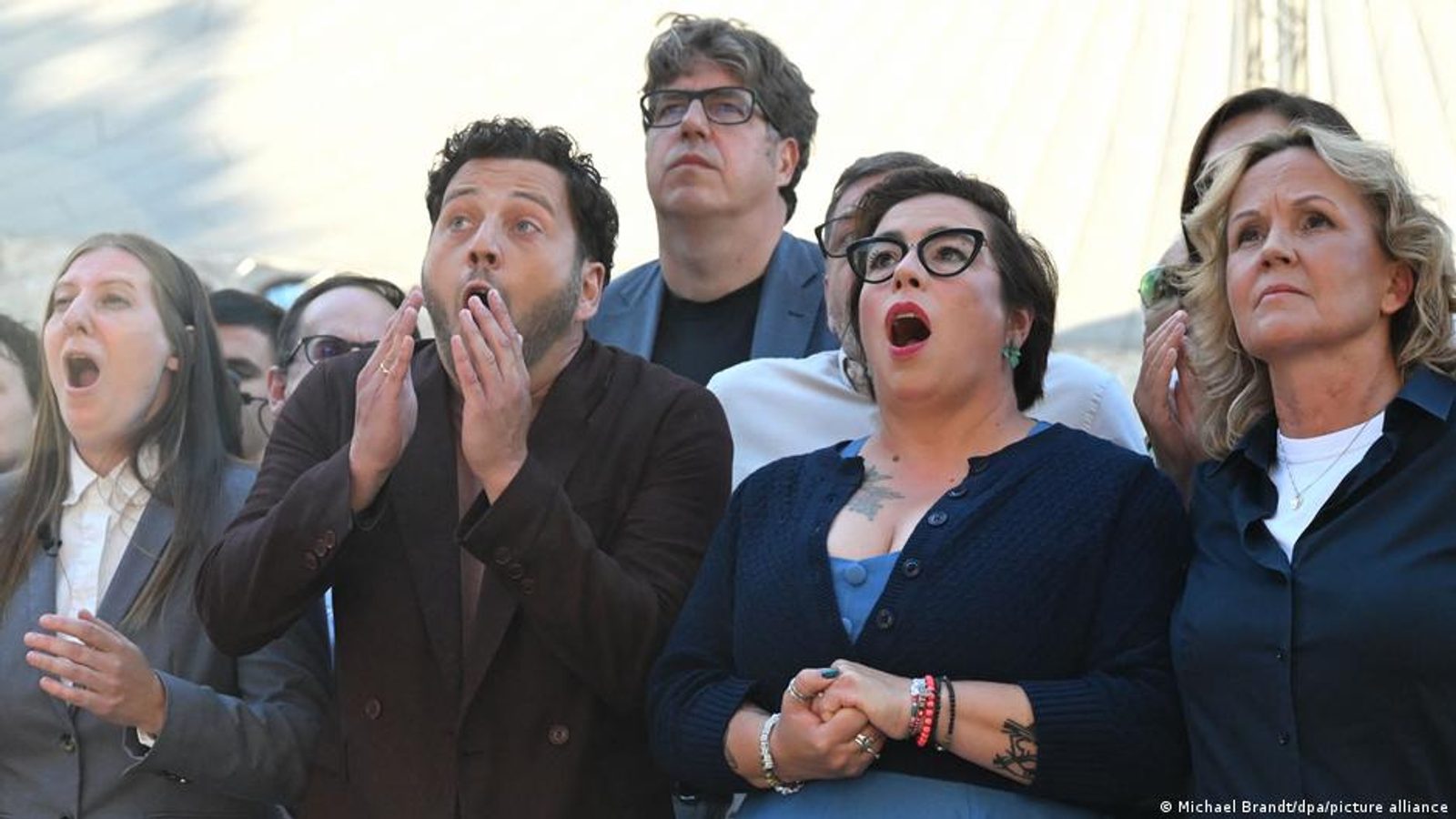
Still, the mood among Green officials was mixed on election night in Magdeburg. Co-chair Felix Banaszak acknowledged both gratitude for regaining parliamentary representation and alarm at AfD strength. "It is a simultaneity of different emotions. On the one hand, of course, great gratitude and relief. For years we were below the five percent threshold. Many had already written us off," he said.
In both Saxony-Anhalt and Mecklenburg-Vorpommern the Greens unexpectedly re-entered the state parliaments after hotly contested votes — a turnaround few had predicted months earlier. But AfD’s near-44 percent result in parts of eastern Germany tempered celebrations and made clear the tougher political environment.
Party veterans such as former ministers Annalena Baerbock and Robert Habeck have been visible on the regional campaign trail this year, helping to shore up the Greens’ footing in the east. Alongside other centrist parties, the Greens campaigned on safeguarding democratic institutions and the rule of law, even coordinating messages with the centre-right CDU despite broad policy differences.
"What can be done so that society does not fall apart in this time? For that, a coalition of the political centre is needed. A coalition that will not succumb to the authoritarian temptation, but will seek perspective in the centre," Banaszak said in May.
Climate and environmental themes, the Greens’ traditional strengths, have taken a lower profile in the recent contests. Bundestag parliamentary leader Britta Haßelmann stressed during the summer campaign that the party continues to prioritise nature and environmental protection. "No other party in Mecklenburg-Vorpommern or Saxony-Anhalt fights as hard for the protection of nature and the environment and for preserving our livelihoods to be at the core of our actions," she said.
National opinion polls currently place the Greens between 14 and 17 percent, insufficient for immediate federal coalition prospects. If the party joins regional governments in Mecklenburg-Vorpommern and Saxony-Anhalt, it would participate in eight of Germany’s 16 state administrations — a level of regional influence few foreseen at the start of the year.
Photo: press material from the event