2 158 amendments after Siljanovska‑Davkova's veto of Public Procurement Law
President Siljanovska‑Davkova vetoed Article 13 over unclear language on mandates; Assembly set to reconsider the bill in third reading.
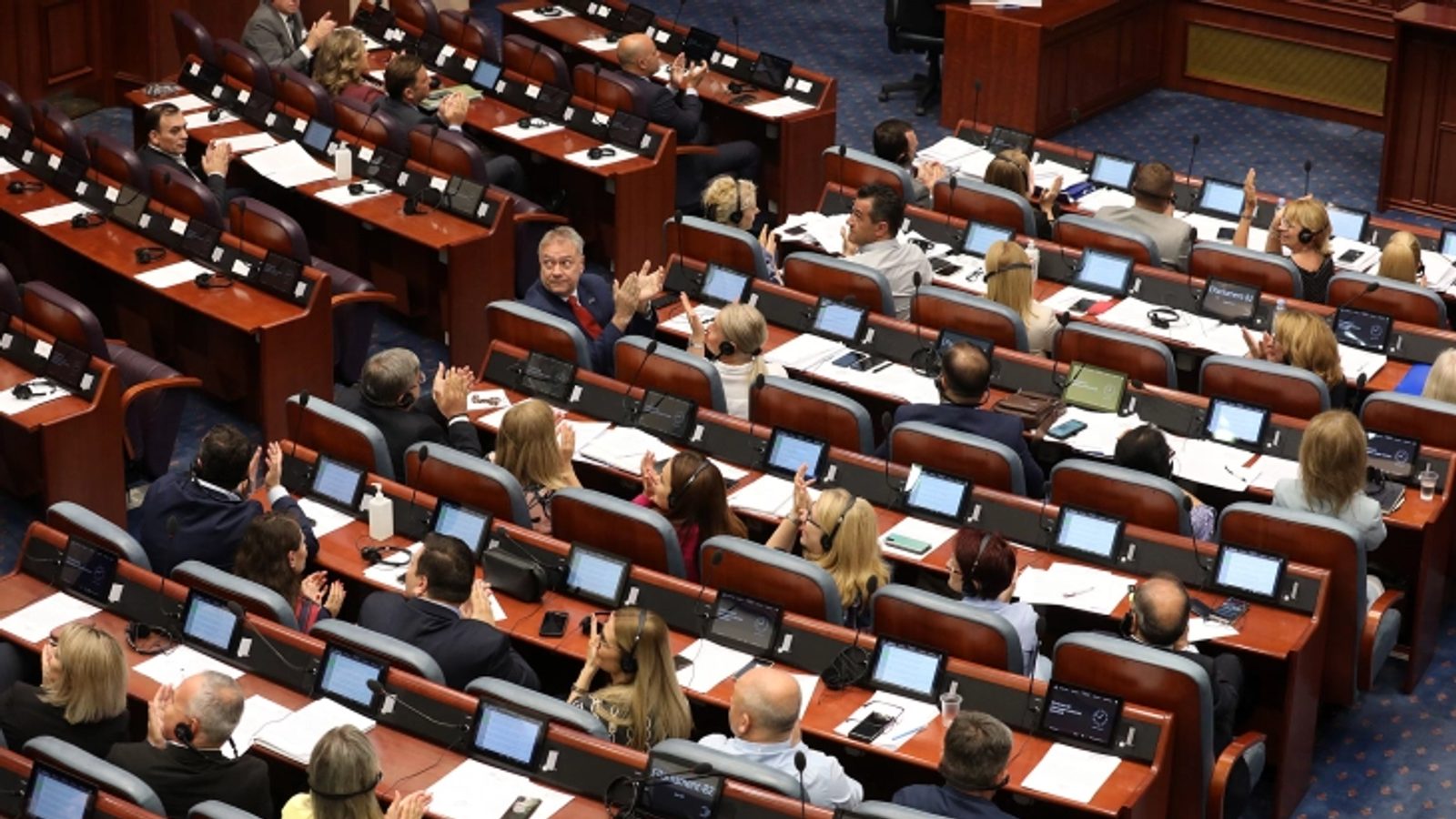
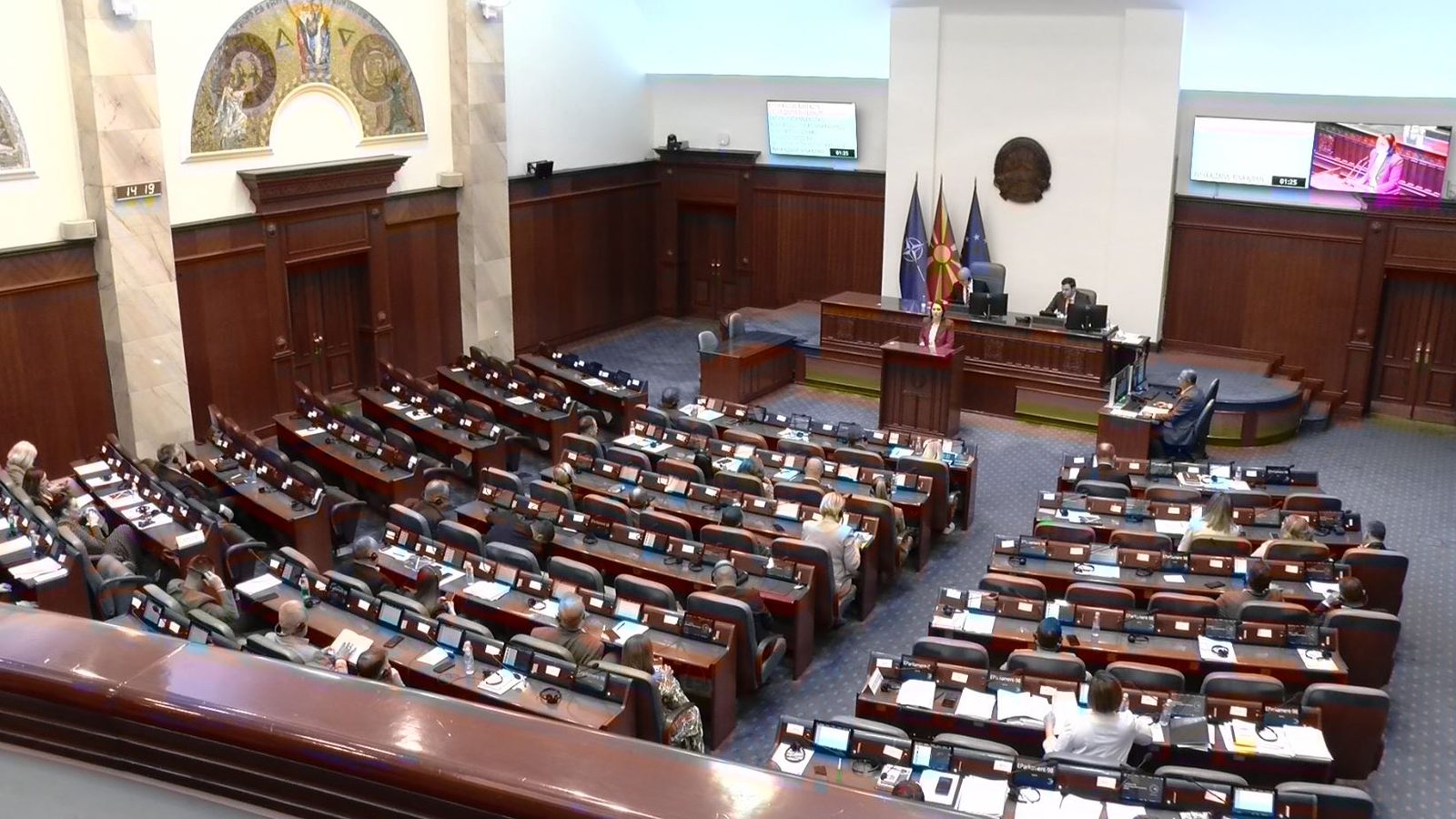
A total of 2 158 amendments have been submitted to the bill that would change the Public Procurement Law, after President Gordana Siljanovska-Davkova exercised a veto and refused to sign the proclamation. The Assembly has placed the bill on the plenary agenda for tomorrow and will re-examine it in a third-reading phase.
Contentious Article 13 at the centre of the dispute
In a letter sent on November 2, 2026 to Assembly Speaker Afrim Gashi, President Gordana Siljanovska-Davkova explained that she declined to sign the proclamation after careful analysis and consultations with experts, pointing to serious legal doubts raised by Article 13 of the amendments.
The disputed change alters how the mandates of the president and members of the State Commission for Appeals in Public Procurement are regulated. The previous legal framework provided for five-year terms with the right to one further election — effectively capping membership at two terms or ten years. The new wording, “with the right to repeated appointment,” was, according to the president, not clear on the number of allowed mandates and therefore leaves room for arbitrary interpretation, including the possibility of an unlimited number of reappointments.
President Siljanovska-Davkova wrote: "The formulation 'with the right to repeated appointment', unlike the formulation 'with the right to one more election', which clearly establishes a limit of 10 years, is accidentally or intentionally legally imprecise and unclear and leaves room for arbitrary interpretation, in the sense of unlimited re-election."
She also cited the opinions and recommendations of the Venice Commission and warned that an open-ended possibility for repeated appointments could lead to a concentration of power when deciding on the spending of large public funds. The president recalled that the work of this body over past decades has been accompanied by problems, suspicions and allegations regarding impartiality, accountability and legality.
According to the information delivered to the Assembly, the governing majority submitted a single amendment proposing the deletion of Article 13 — the provision that prompted the presidential veto. Most of the remaining amendments were reportedly filed by the Social Democratic Union (SDSM). The deadline for submitting amendments expired on Friday, November 6, 2026.
Under Article 183 of the Rules of Procedure of the Assembly, when the head of state does not sign a proclamation, the Assembly must reconsider the law in a third-reading phase within 30 days of its adoption; in that phase, amendments may be submitted only in relation to the president’s objections. The bill is scheduled for third-reading consideration at the plenary session tomorrow.
Earlier, the adopted changes to the Public Procurement Law also included a provision making the best price-quality ratio a mandatory criterion.
Photo: press material from the event