Construction starts on most complex 10.5 km stretch of the Skopje–Blace motorway
A 10.5‑kilometre, technically demanding segment with tunnels, bridges and galleries has started construction and is funded mainly by an EBRD loan and WBIF grant.
Construction work has begun on the second phase of the Skopje–Blace motorway, a 10.5‑kilometre section that authorities say should be completed within four years. The new stretch will link to the already built 1.5 kilometres of motorway near the Blace border crossing and will be the most complex segment of the route, incorporating five tunnels, eight bridges, 11 underpasses, four galleries and nine retaining walls. The contractor selected for the job is the domestic builder Granit AD Skopje.
Large engineering scope and international funding
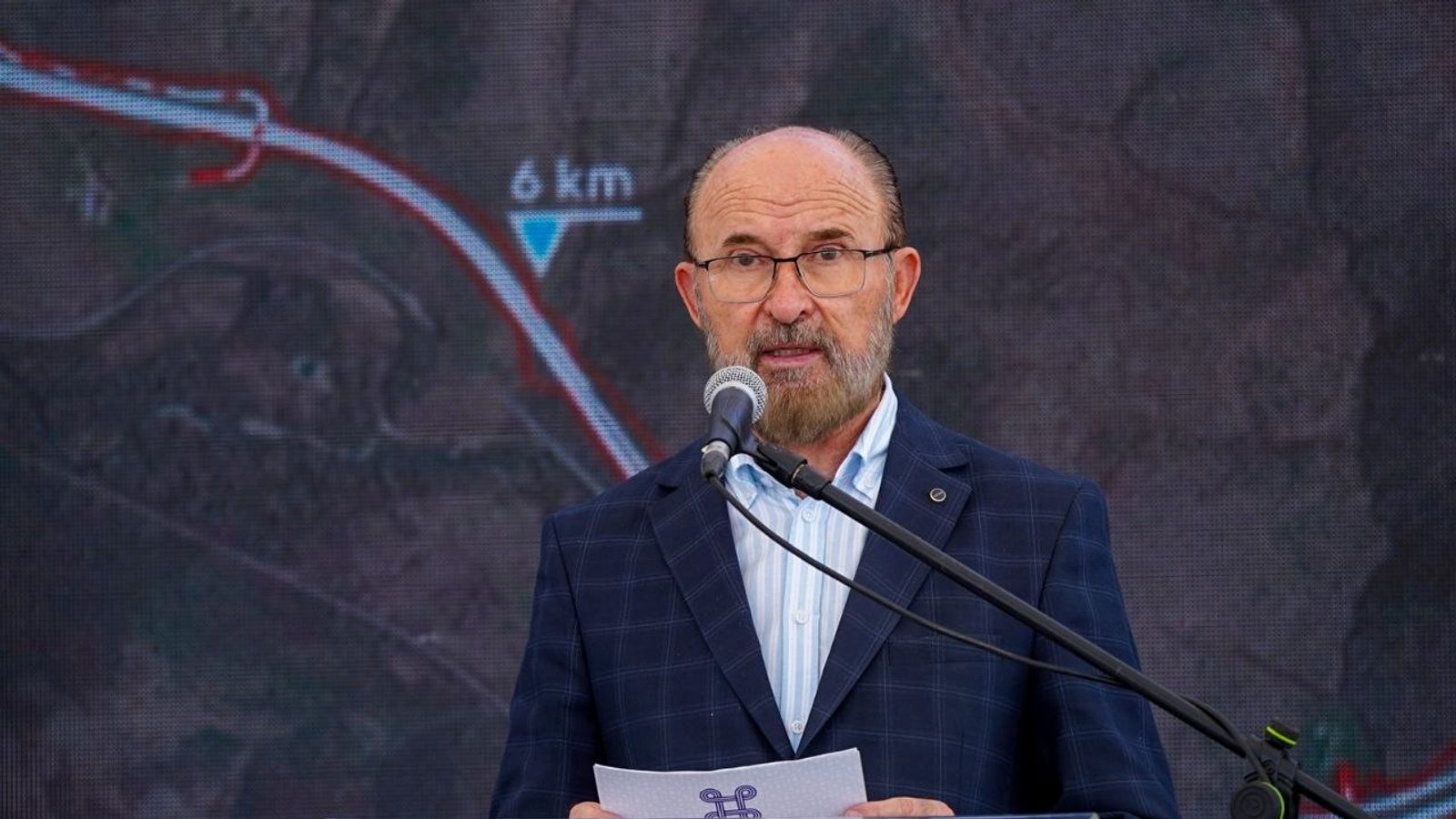
Koce Trajanovski, director of the Public Enterprise for State Roads (JPDP), described the works as the most complicated and demanding part of the motorway, running through rugged hill and mountain terrain that will challenge both designers and builders.
"Today we are not laying only the cornerstone of a motorway, but we are laying the foundation for a faster, safer and more strongly connected Macedonia with its neighbours, the region and Europe. With the start of construction of the Skopje–Blace motorway, from the Stenkovec interchange to the Blace border crossing, over some 10.5 kilometres, we are making a significant step towards completing this strategic regional link. The selection of 'Granit' as the contractor created the concrete conditions for laying this cornerstone. This investment is particularly important because it connects us to the port of Durrës, to Albania, Montenegro and Serbia via Kosovo," he said.
Financing for the project is a mix of an EBRD loan of €167.6 million, a grant of €30.82 million from the Western Balkans Investment Framework, funds from the JPDP budget for expropriation, and grant resources for the design teams Hill International and ADT Omega.
The motorway will have two carriageways; each carriageway will carry two traffic lanes plus an emergency lane, for a total width of about 27.5 metres. Authorities say the new section will shorten travel times, improve safety and reduce vehicle maintenance costs, while the existing road will remain available as an alternative for local traffic.
The cornerstone ceremony was attended by the prime ministers of North Macedonia and Kosovo, Hristijan Mickoski and Albin Kurti, as well as Deputy Prime Minister and Minister of Transport Aleksandar Nikoloski, representatives of international financial partners, government officials, members of parliament and several ambassadors.
Photo: JP Drzhavni patishta