Greater public awareness and proper waste sorting seen as solution to illegal dumps
Ministry urges residents to use containers; three regional waste centres are planned for 2026.
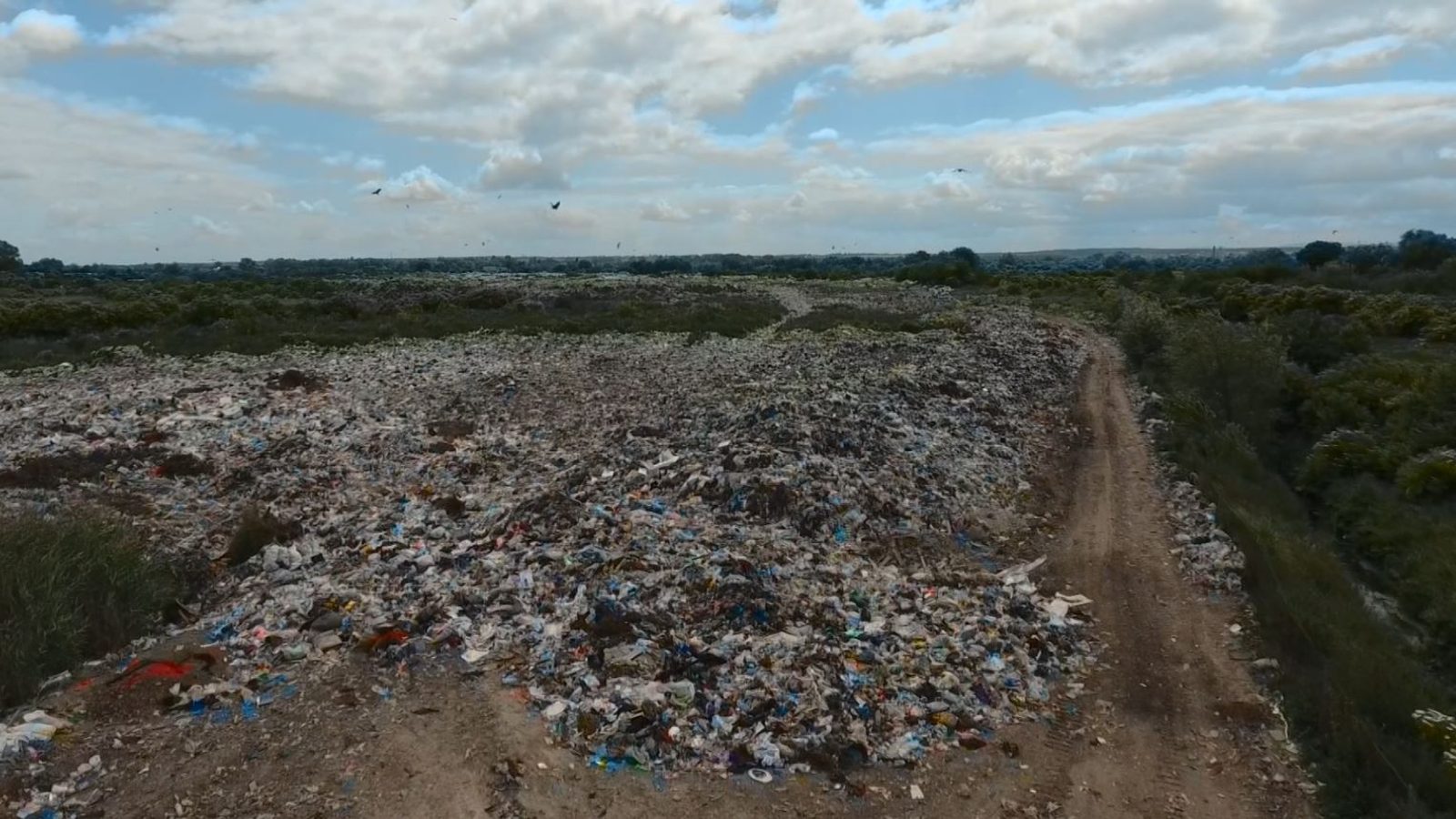
The Ministry of Environment and Physical Planning says that increasing public awareness and correct waste sorting are essential to curb the spread of illegal dumps around towns and villages.
Officials point to two main causes: improper behaviour by some residents who leave rubbish next to bins and gaps in municipal waste-collection services in certain areas.
Ministry response and commercial-scale solutions
"If the waste is around the bin, that means it's irresponsible behaviour by citizens. Citizens must use the special containers, we have bins, containers, meaning receptacles for collecting waste. We know it is unacceptable to throw it on the street, in parks, in nature, etc. That is clear, however, unfortunately, there are still irresponsible citizens. On the other hand, those so-called illegal dumps are rubbish piles that are created somewhat spontaneously. Most often they are created because households in those areas do not receive adequate service," said Ana Karanfilova Maznevska, head of the Waste Sector at the Ministry of Environment and Physical Planning.
Karanfilova Maznevska also warned that long-term infrastructure is needed to solve the problem and that building regional landfills is a lengthy and costly process. "These are expensive facilities, they will also need to be paid for. It's not only building them, but maintenance will cost money. From that aspect, it is better to have one [facility] for several municipalities, which will be used by multiple municipalities. The process is underway, we are preparing the documents. We have established vehicles, bins and containers. Now we are in the construction phase," she added.
The ministry says that three regional waste-management centres are planned for construction in 2026: Novaci for the Pelagonia and Southwest region, Rusino for the Polog region, and Sveti Nikole for the Eastern and Northeastern region. These regional landfills are conceived as larger, organised facilities intended to serve several municipalities rather than single towns.
Photo: press material from the event