EU moves to tighten rules for meat industry and boost domestic livestock production
New EU measures aim to boost domestic protein-crop production, tighten animal-health rules and introduce clearer origin labels for meat.
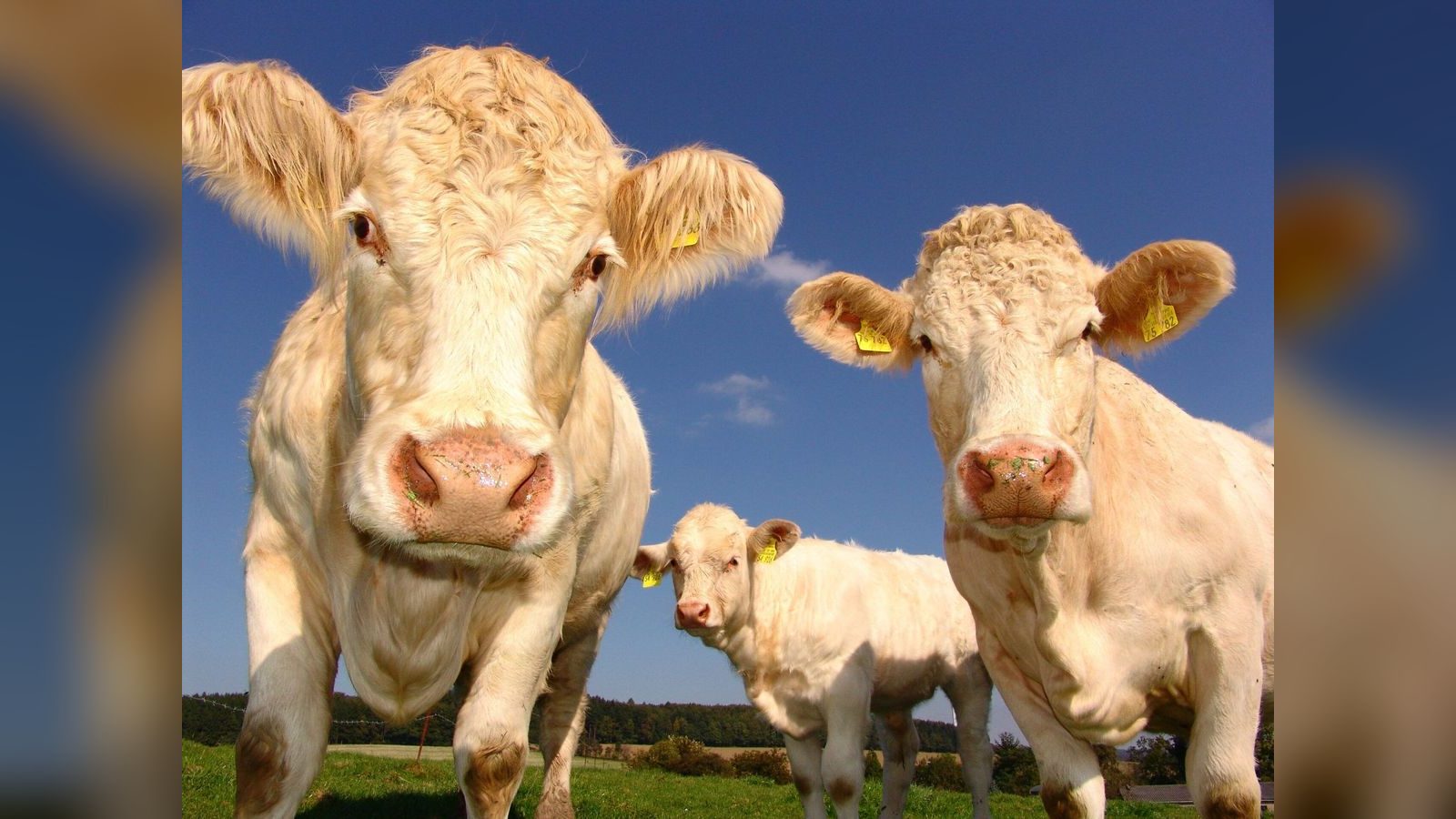
The European Commission has unveiled a broad strategy to reshape livestock policy across the European Union, placing stronger emphasis on domestic production, reduced import dependency and increased financial support for farmers.
The initiative targets a sector that employs around seven million people and generates approximately €400 billion in annual turnover. Producers have faced rising costs, market volatility and more frequent animal health problems—issues the Commission says the new measures will help address.
Key goals and tools of the strategy
Among the main aims is to boost use of EU-grown resources and expand production of protein crops inside the Union. Under the Action Plan for proteins, the Commission wants 35 percent of the protein crops used in animal feed to be produced within the EU by 2035, up from the current 25 percent.
The package also foresees strengthened crisis mechanisms, improved prevention and control of animal diseases, easier access to finance for farmers, and investment in innovation, circular economy solutions and sector profitability. The Commission plans gradual changes to rearing rules for laying hens, broiler chickens and pigs, coupled with transition periods and financial aid for producers.
Measures intended to reach smaller holdings include development of small and mobile slaughtering units to cut animal transport and support local economies, and the introduction of clearer origin labelling for meat and other animal products so consumers can more easily identify goods produced in the EU and assess their quality. Separately, national checks have reportedly found deviations in some processed meat products, according to the Food and Veterinary Agency (AHV).
Brussels says the strategy signals that domestic production and food safety will receive increasing prominence in EU agricultural policy over the coming decade.
Photo: press material from the event