Placement of the Holy Belt of the Virgin: relics, healings and the prayer for September 13
The Belt of the Virgin is venerated in Vatopedi and Prato; the day is associated with healing stories and prayers for families.
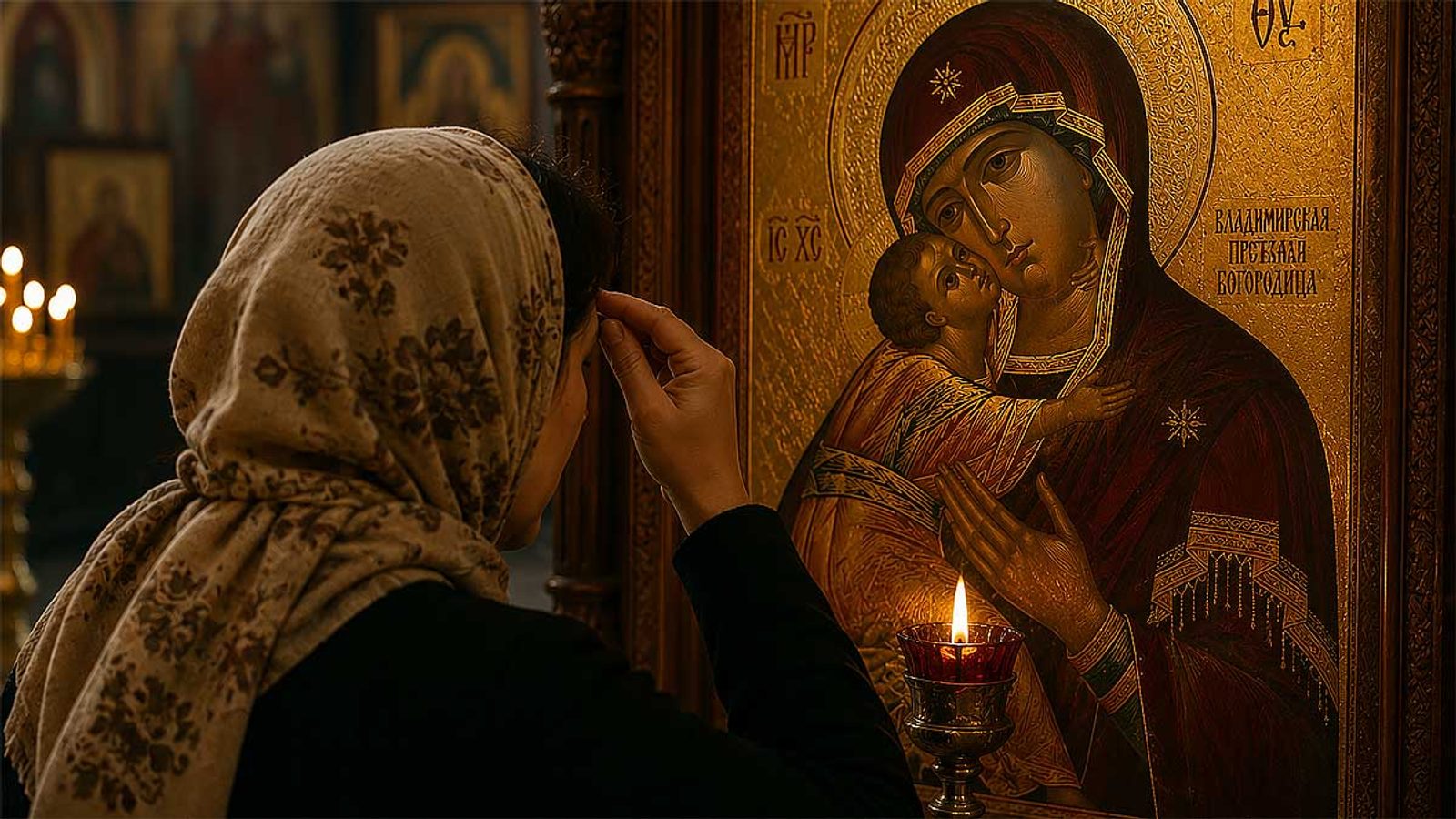
On September 13 believers in the Orthodox world mark the Feast of the Placement of the Holy Belt of the Virgin — a day tied to ancient tradition, accounts of miraculous healings and popular rituals aimed at protection and family wellbeing.
Origins, relics and a famous healing
Church tradition holds that the belt was woven by the hands of the Virgin Mary and that she entrusted it to the Apostle Thomas before her Dormition. The relic was later taken to Constantinople and kept for centuries in the Blachernae church inside a sealed reliquary.
Stories of healing have been associated with the feast since Byzantine times. One widely told account says that Leo the Wise’s wife, Empress Zoe, was gravely ill; the relic was placed upon her with the patriarch’s blessing and she recovered, a narrative that helped establish the commemorative observance.
Today the belt is divided into several fragments kept at different shrines. The largest and best‑known portion is preserved at Vatopedi Monastery on Mount Athos (Greece), where the relic rests in a silver reliquary and is sometimes carried on pilgrimage visits so that the faithful may venerate it. From Vatopedi, small blessed ribbons touched to the original belt are distributed, especially to pregnant women and couples seeking children.
Another notable fragment, known as the Sacra Cintola, is kept in the Cathedral of Prato (Tuscany, Italy). According to tradition, the pilgrim Michele Dagomari brought that portion in 1141; it is exhibited to the faithful during major celebrations (for example on September 8). Smaller particles are also venerated in other Orthodox centres — examples include the Kazan Cathedral in Saint Petersburg and the Trinity‑Sergius Lavra, and in monasteries on Cyprus and in Georgia.
For many families the feast carries a domestic significance: special prayers said on this day are believed to bring harmony, understanding and calm to the household. It is customary for worshippers to attend the Divine Liturgy, light candles for health, and ask for strength to cope with everyday burdens.
Many faithful are encouraged to say a brief prayer the day of the feast; one commonly recommended version reads:
“O Most Holy Virgin Mary, Queen of Heaven, look with motherly mercy upon us and preserve peace, health and unity in our homes.
Amen.”
Photo: press material from the event