The Belt of the Virgin Mary: Orthodox feast many women pray on
The relic — traditionally woven from camel hair and largely kept at Vatopedi — is associated with healing, safe birth and prayers for children.
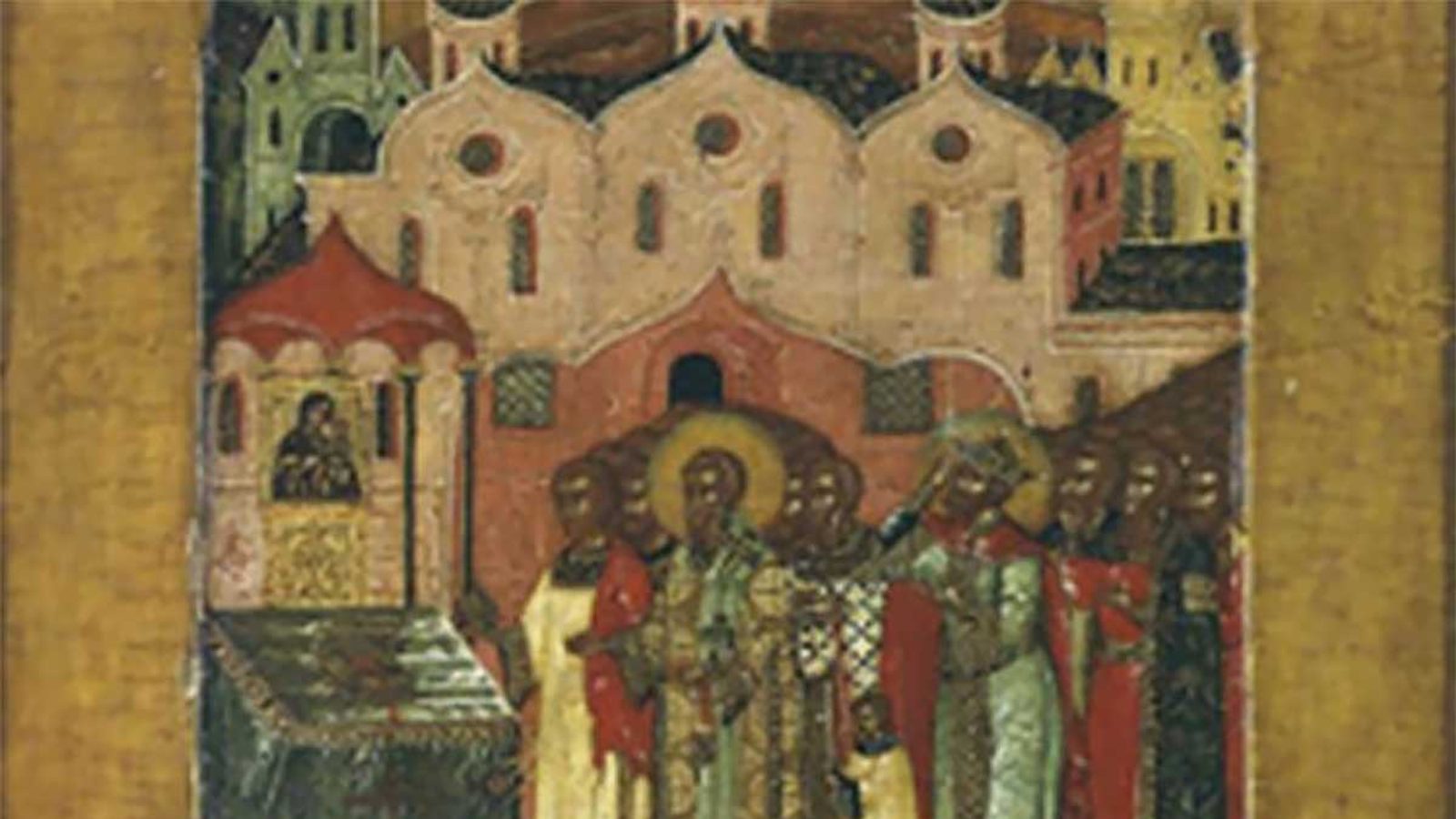
Today Orthodox believers in North Macedonia mark the Feast of the Placement of the Honorable Belt of the Virgin Mary, a long‑honored celebration linked to popular beliefs about healing, safe childbirth and the gift of children.
According to tradition, the belt was woven by the Virgin herself from camel hair and is the only object preserved from her earthly life. After her Dormition, Apostle Thomas is said to have found only the belt in her tomb; that relic thereafter was revered as the most precious memento of her life.
Another well‑known episode connects the belt with the Byzantine court. In the reign of the emperor Leo the Wise, his wife, Empress Zoe, fell gravely ill. The patriarch opened the sealed reliquary and laid the belt upon Zoe; she recovered immediately. Grateful, the empress had the belt embroidered with gold thread, and the incident is remembered in the liturgical commemoration established for the day.
Why the title "Most Holy"?
In Slavic languages the prefix "pre‑" functions as an intensifier; the word "Presveta" therefore literally means "most holy" or "supremely holy." That linguistic distinction underlines the special place the Virgin Mary holds in Christian devotion: as Theotokos — the one who bore God — she is venerated above angels and saints, yet not equated with God.
Today many churches and monasteries dedicated to the Mother of God receive large numbers of worshippers, especially women and married couples praying for health, an easier birth and offspring. Families often observe a fast on this day and in some regions celebrate the event as a household feast.
The largest portion of the relic is kept at Vatopedi Monastery on Mount Athos, while fragments are preserved in other locations, including Georgia. For believers the day is a reminder of faith, compassion and the Virgin’s role as an intercessor; liturgical petitions still include the traditional cry: "Most Holy Mother of God, save us!"
Photo: press material from the event