Poland’s economic rise is prompting mass returns from the UK
Economic and policy changes — lower unemployment, faster wage growth and a 2022 tax break — have reversed the post‑2004 exodus and prompted many Poles to return from the UK.
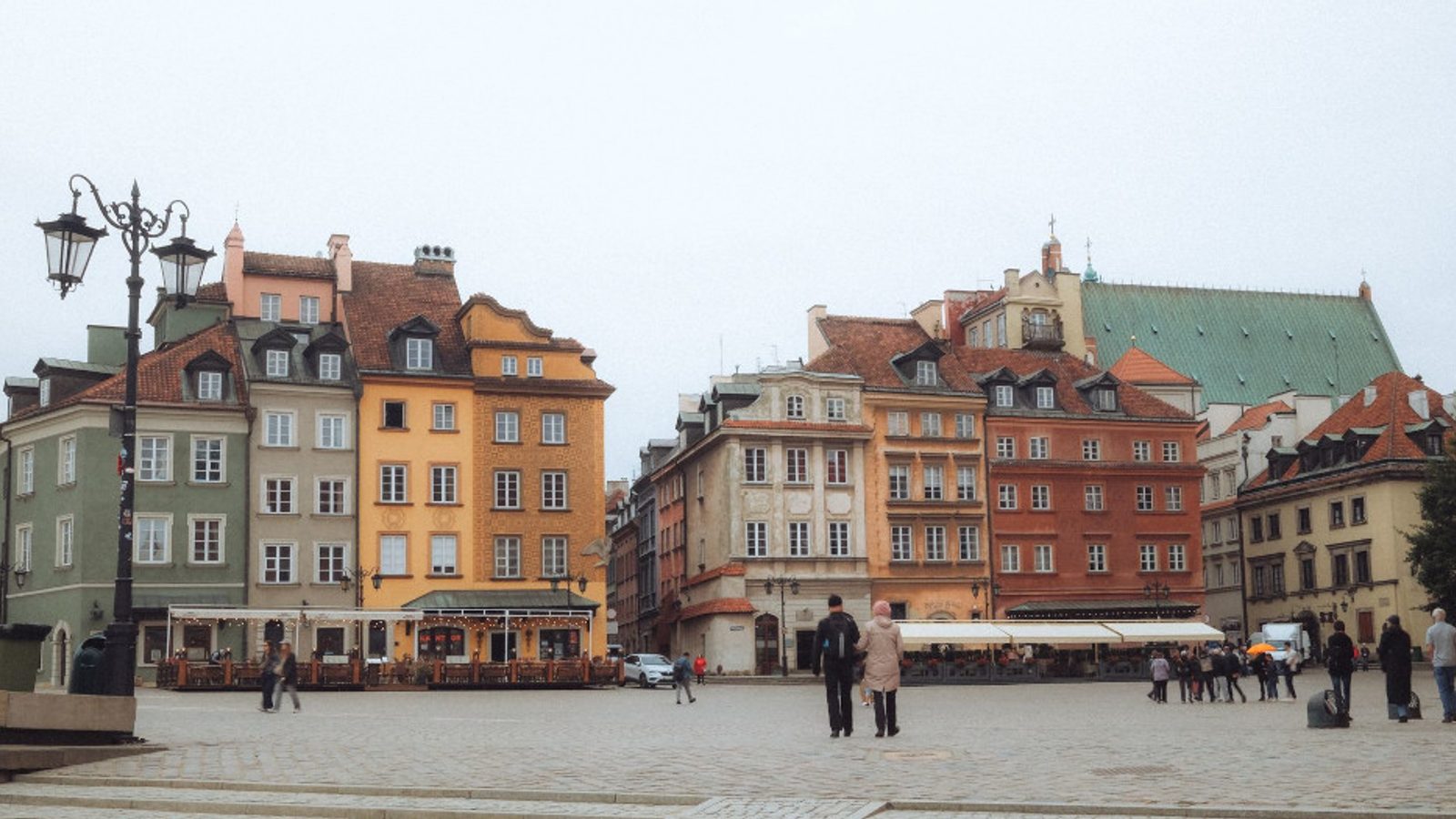
After two decades of large-scale migration westward, the flow of Poles to the United Kingdom has reversed: more Polish citizens are now leaving Britain to return home. British Office for National Statistics figures show that in the year to December 2025 about 19,000 Poles left the UK while roughly 6,000 arrived, and since 2021 departures from the UK have been at least twice the number of arrivals.
Economic shift and policy changes
Poland’s labour market and public finances have strengthened substantially, narrowing the incentives to remain abroad. Eurostat data put Poland’s unemployment rate at 3.3% in September 2025, one of the lowest in the European Union, compared with 4.7% in the United Kingdom for the same month. Although average monthly pay in the UK — about £2,700 — remains higher than Poland’s roughly £1,500, the gap has shrunk and purchasing-power adjusted measures show much smaller differences.
The International Monetary Fund estimates that Poland’s economy almost doubled over the past two decades and was the only EU country to avoid recession during the global financial crisis, while real UK GDP per capita rose by only about 15% in the same period. Adjusted for purchasing power, Polish GDP per capita climbed from about two-thirds of Britain’s ten years ago to more than 80% today, and the IMF projects the two economies will be nearly equal by 2031.
Poland’s economic modernisation is visible in public investment and export performance. Marcin Piatkowski, professor at Kozminski University in Warsaw and author of Champion of European Growth, argues that Poland now outperforms the UK on incomes, living standards and citizen satisfaction. He points to lower everyday costs — from rents to services — and faster post-pandemic growth in real wages denominated in pounds as factors that make staying in Britain harder to justify. He also notes that exports account for roughly half of Polish GDP, compared with about 30% in the UK, and that European funds have helped Poland build almost 5,000 kilometres of motorways over two decades while planning a high-speed rail network for the coming ten years.
Fiscal policy has also encouraged return migration. A measure introduced in 2022 exempts returnees from income tax on the first 85,528 złoty (about £16,944) for the first four years after moving back. The same tax relief is available to foreigners who relocate to Poland and to workers under 26.
Personal stories reflect the trend. Roman Koch, 43, left for London in 2005 for summer work and stayed more than a decade, later running a business in Hampshire and working as an electrician in Wales. After a spell in the Netherlands, he and his wife Anna returned to Wrocław in 2021 with their three children; he now programs lighting for motorways and stadiums. Koch says they moved back to care for family, and because they saw Poland as safer with better schools; many emigrants also sell paid-off houses in Britain and use the savings to restart at home.
Similarly, Łukasz Stupka, 36, who went to Southampton in 2011 to study football management, returned after receiving an offer to work on Kraków’s Winter Olympics bid that paid two to three times what he would have earned in England. Now sporting director of Ekstraklasa club Wisła Płock, Stupka says many friends declined foreign offers because comparable posts pay more in Poland, and favourable mortgages plus rising wages are enabling home ownership.
Despite the influx of returnees, Poland still faces a long-term demographic challenge from an ageing population. The Polish Economic Institute warns the country could lose more than two million workers by 2035 to retirement — about one-eighth of the current workforce — while the birth rate of roughly 1.1 children per woman compares with about 1.4 in the UK. As a result, attracting emigrants back remains important to sustain growth.
Photo: Peksels)