Half of adults smoke; anti-smoking law still waiting to be adopted
Analytica: more daily and heavy smokers, only 10% tried to quit, and the government draft law awaits second reading in the Assembly.
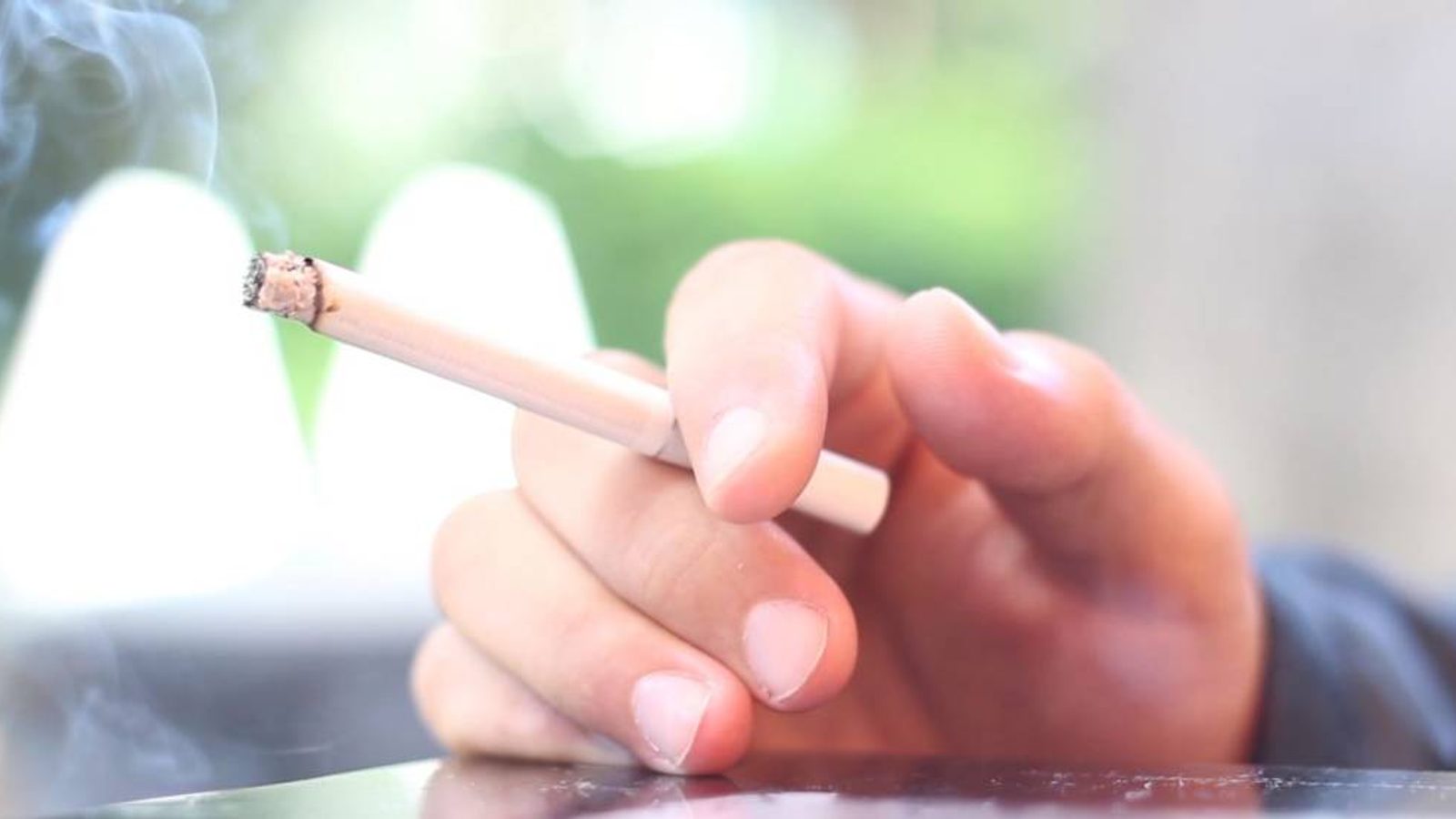
Every second adult in the country smokes and, when new nicotine and tobacco products are included, overall use rises to 54 percent, according to a recent Analytica study. Despite repeated public campaigns and appeals to quit, the number of daily smokers and the intensity of smoking continue to grow.
The research shows that more than one quarter of smokers consume over 20 cigarettes a day, placing them in the heavy-smoker category, while about 40 percent smoke between 10 and 20 cigarettes daily — levels that raise the risk of serious health problems.
Low quit attempts and economic paradox
Attempts to quit are alarmingly rare: only 10 percent of respondents have tried to stop smoking, and the longest average smoke-free period reported was two and a half months. The most frequently cited motives for trying to quit were the high price of cigarettes and advice from a physician, a statement by Tamara Mijević Spasova, program director at Analytica, noted.
The study also highlights an economic paradox. While real wages grew by about 36 percent in the analysed period, cigarette prices rose by only 8.8 percent — meaning cigarettes have become more affordable relative to average pay. Still, the monthly cost of smoking per smoker is roughly 4,800 denars, which on an annual basis exceeds one average monthly salary.
Smoking is also a severe financial burden for low-income households. Experts estimate that in the poorest families with two smokers, spending on cigarettes can reach up to 30 percent of annual income. Analysts argue that raising cigarette prices could reduce the smoking rate by 8–9 percent and prevent between 6,000 and 8,000 young people per year from starting to smoke.
Nearly a year ago the government prepared a draft law that would fully ban smoking in indoor public spaces and in hospitality venues, and, under certain conditions, on terraces and in cars when children are present. The proposal also envisages limits on the sale, import and advertising of tobacco and nicotine products, a ban on flavoured cigarettes and removing them from visible display in shops.
The law’s implementation, initially announced for 1 March, was postponed after lengthy talks with the tobacco and hospitality industries. The draft is now in the Assembly at second reading. The Minister of Health has asked MPs to give it maximum priority but stressed that adoption is only the first step — after that come field preparation, training for inspection services and creating conditions for consistent enforcement.
Photo: press material from the event