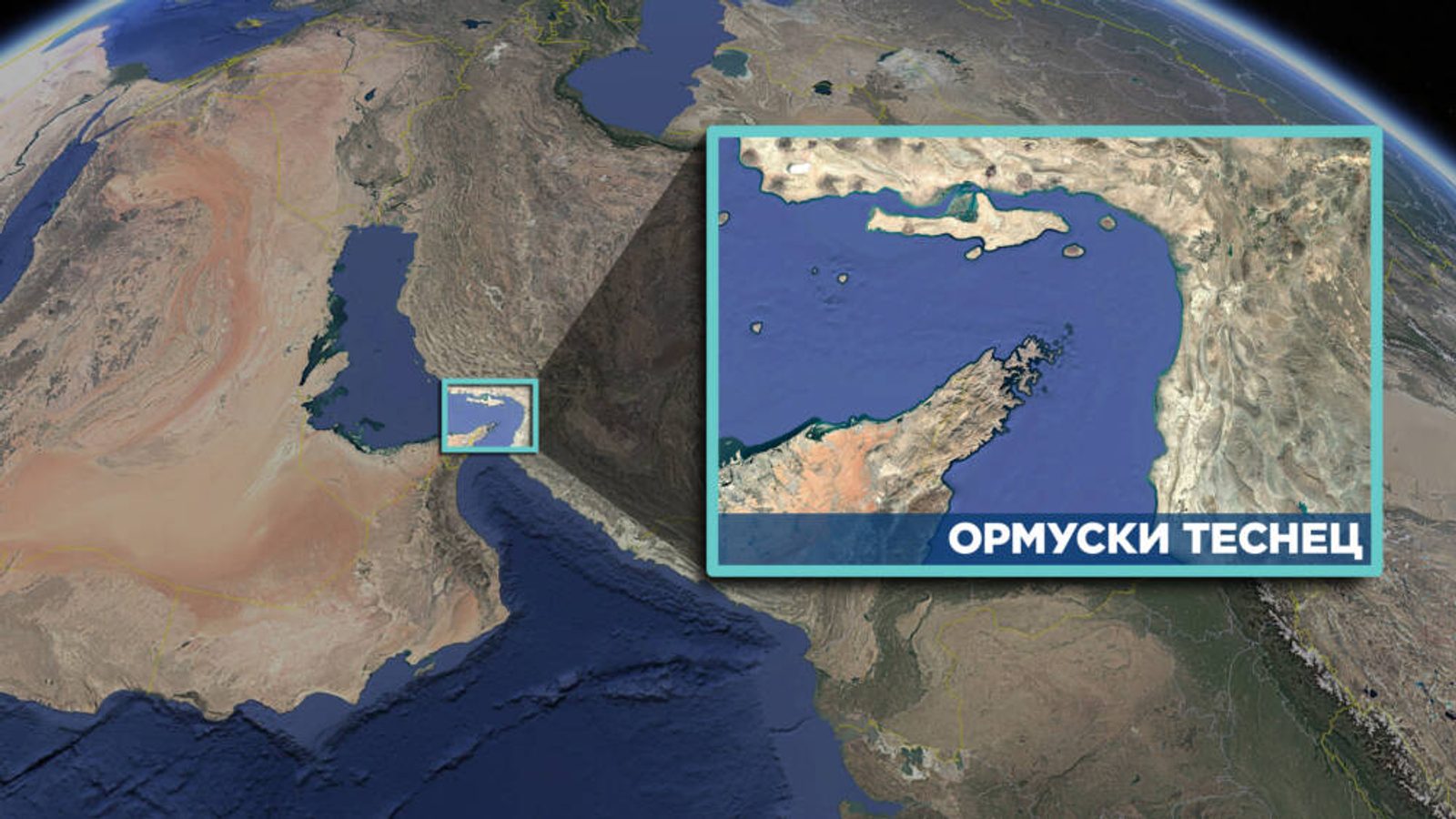
Maritime associations warn mandatory charges through Strait of Hormuz would raise global transport and energy prices
Eight maritime bodies told the UN and the IMO that mandatory transit fees through the Strait of Hormuz would raise shipping and energy costs worldwide.
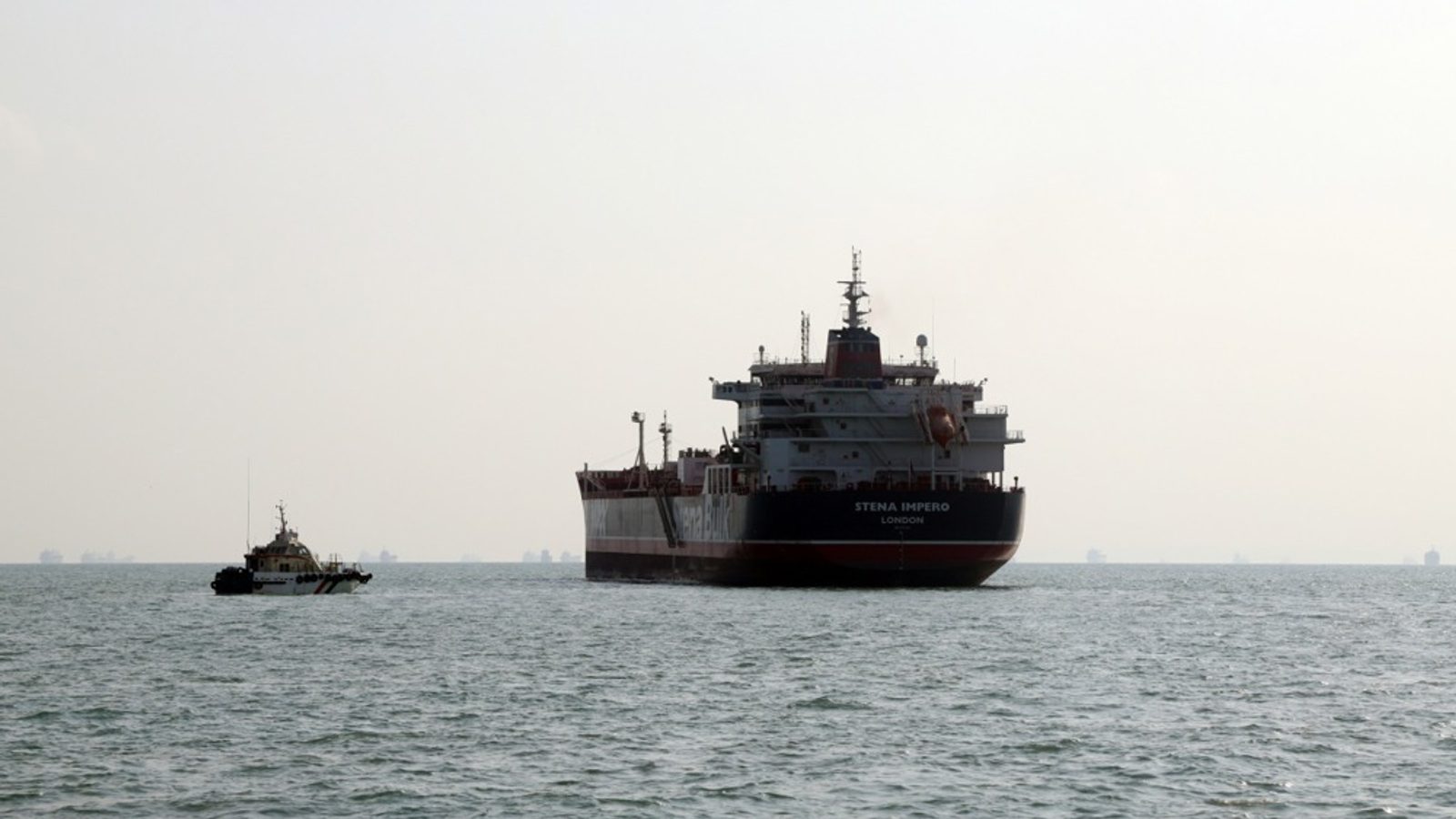
Eight leading international shipping associations have urged the United Nations to oppose any plan to introduce mandatory charges or surcharges on vessels transiting the Strait of Hormuz, warning that such levies would threaten free navigation and have damaging effects on the world economy.
The groups addressed a joint open letter to United Nations Secretary‑General Antonio Guterres and to Arsenio Dominguez, Secretary‑General of the International Maritime Organization (IMO). The letter was sent on Monday and was published yesterday by the International Chamber of Shipping.
Associations warn of wider economic fallout
In the letter the associations say that "the imposition of mandatory transit surcharges or fees for services that effectively operate as a toll through the Strait of Hormuz would represent a significant departure from established international practice." They cautioned that permitting such charges could set a precedent for other international sea routes and weaken the internationally recognized legal framework that governs the right of transit.
They also warned that "the additional costs for maritime transport would be passed through global supply chains, resulting in higher prices for shipping and energy, increased inflation and greater economic uncertainty." The signatories stressed that the safety of seafarers and uninterrupted navigation must not be jeopardized during regional security negotiations or conflict resolution.
Signatories to the letter include the Asian Shipowners' Association, BIMCO (Baltic and International Maritime Council), Cruise Lines International Association (CLIA), the European Shipowners' Association, the International Chamber of Shipping, INTERCARGO (International Association of Dry Cargo Shipowners), INTERTANKO (International Association of Independent Tanker Owners) and the World Shipping Council.
The letter comes after Iran and Oman reached a preliminary understanding yesterday on nearly all issues related to a future regime for the Strait of Hormuz. Iran's Deputy Foreign Minister Kazem Gharibabadi said the final agreement is "one step away from finalization," and that the understanding covers the locations of entry and exit sea routes, while stressing that it "does not mean fully opening the Strait of Hormuz." He added that "this is a new and different model compared with the practice that prevailed over the past 60 years."
In July the IMO Council stated that, under international law, navigation through the Strait of Hormuz should remain free from charges and other levies, and underscored that any agreement among coastal states in the region must guarantee non‑discriminatory and uninterrupted transit for all vessels through internationally recognized sea lanes.
The Strait of Hormuz is one of the world’s most important maritime chokepoints, linking the Persian Gulf with the Gulf of Oman and global markets; any disruption to commercial shipping there poses a serious risk to global energy supplies and international trade. Separately, former President Donald Trump said the deal to open the Strait could fall today and threatened Iran.
Photo: EPA-EFE/MEHDI DEHDAR