North Macedonia urged to open centre for injured and orphaned wildlife
Incidents in Skopje and on Mount Jakupica revived calls for a professionally funded reception and rehabilitation facility for wild and domestic animals.
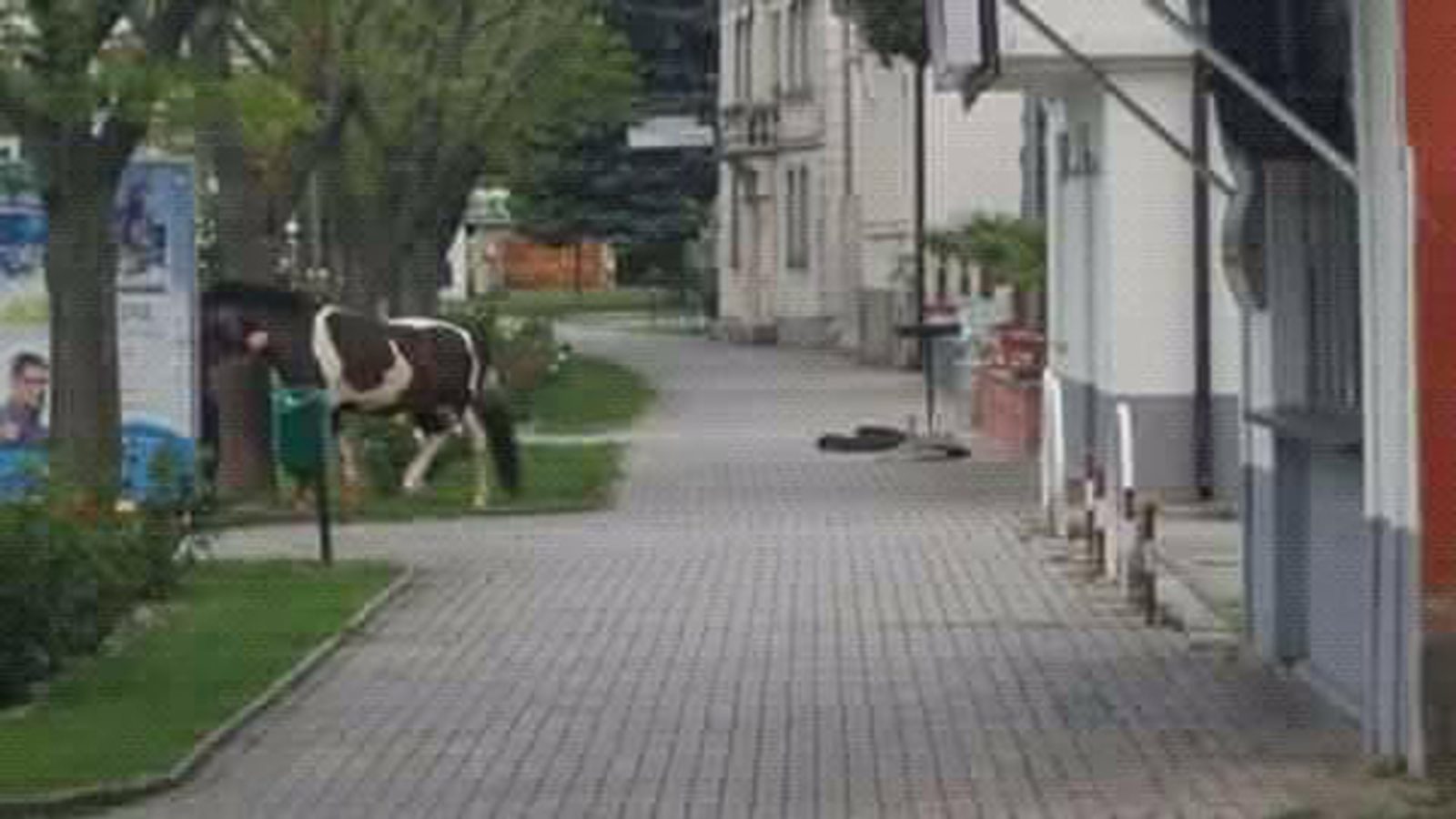
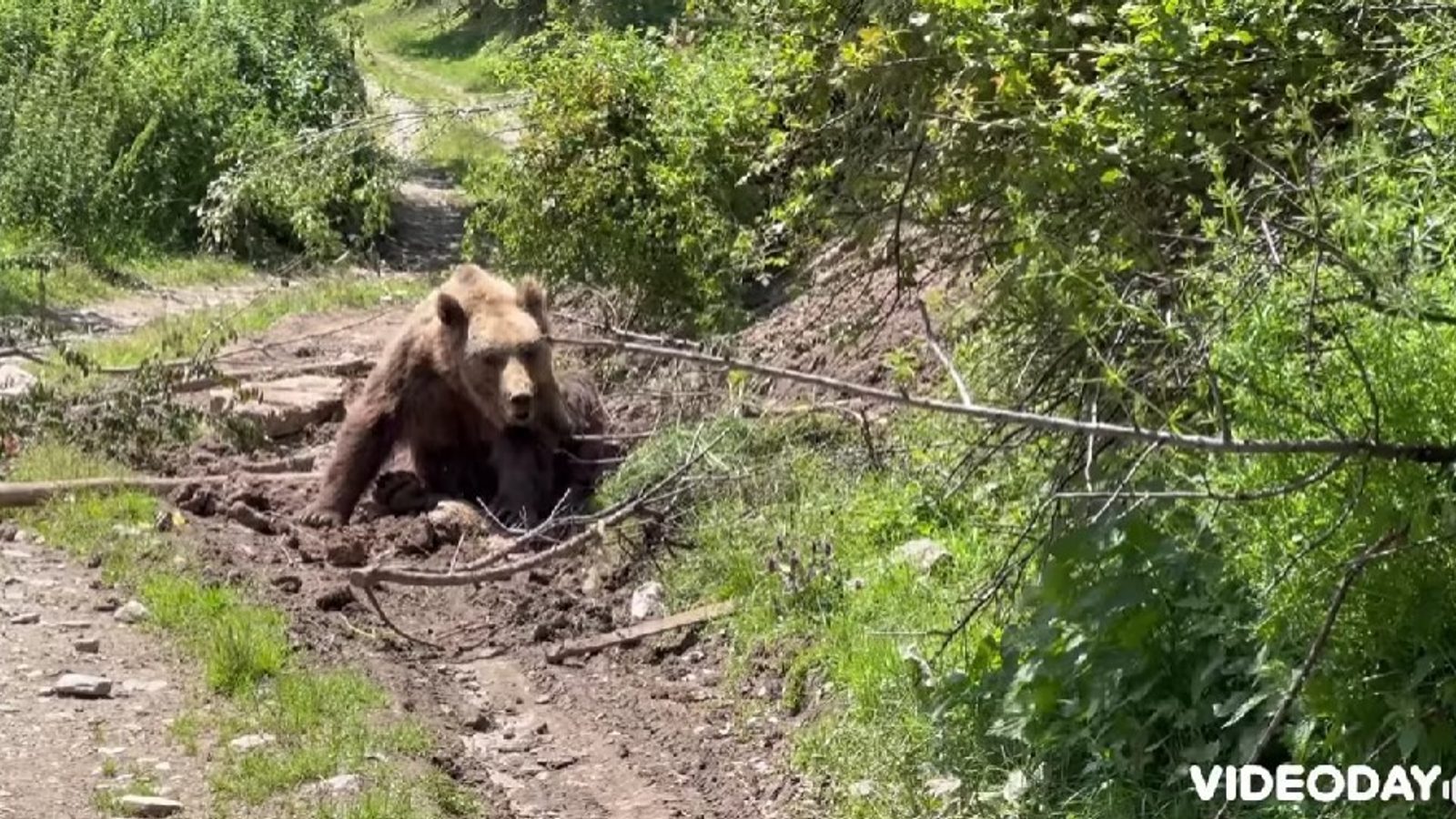
Recent incidents in North Macedonia — including a mare foaling on a street in Skopje, a bear cub caught in a trap on Mount Jakupica and another cub killed after being struck on a highway — have renewed calls for a dedicated reception and rehabilitation centre for injured, orphaned or seized exotic animals.
The country has lacked such a facility for years, advocates say, leaving veterinary teams and rescue groups to improvise care and temporary shelter for wild and domestic animals in need of treatment or rehabilitation. The need for a national centre has been recognised repeatedly over the past decade.
Inspectorate repeats call for a professional, funded centre
The State Inspectorate for Environment (DIZS), which was contacted by several institutions during the bear-cub rescue cases, confirmed that a reception centre is necessary and outlined key functions it should perform.
"The reception centre should be a professional institution with secured long‑term funding and, above all, be concerned with the wellbeing of individuals belonging to affected and protected wild species. It should employ staff who will undergo appropriate training for handling wild animals, primarily mammals and birds, and the centre should be managed by doctors of veterinary medicine. The reception centre must have suitable spaces available for any veterinary intervention related to the health status of the animals. In addition, this institution should have several quarantine rooms and fenced habitats adapted to the needs of the animals, where individuals can be rehabilitated so they can be returned to the wild," the State Inspectorate for Environment said.
Rescuers and officials stress that a properly equipped centre would allow timely medical interventions, controlled rehabilitation and, when possible, release back into natural habitats — reducing long-term captivity and the risks posed by ad-hoc solutions.
Establishing such a facility will require stable public funding, trained veterinary personnel and coordination between rescue organisations, inspectors and local authorities to ensure animals receive appropriate care and that rehabilitated individuals can safely rejoin the wild.
Photo: press material from the event