Majority of Germans say Russia threatens national security, poll finds
An ARD DeutschlandTrend survey finds 56% of Germans see Russia as a danger amid attacks on infrastructure and shifts in party support.
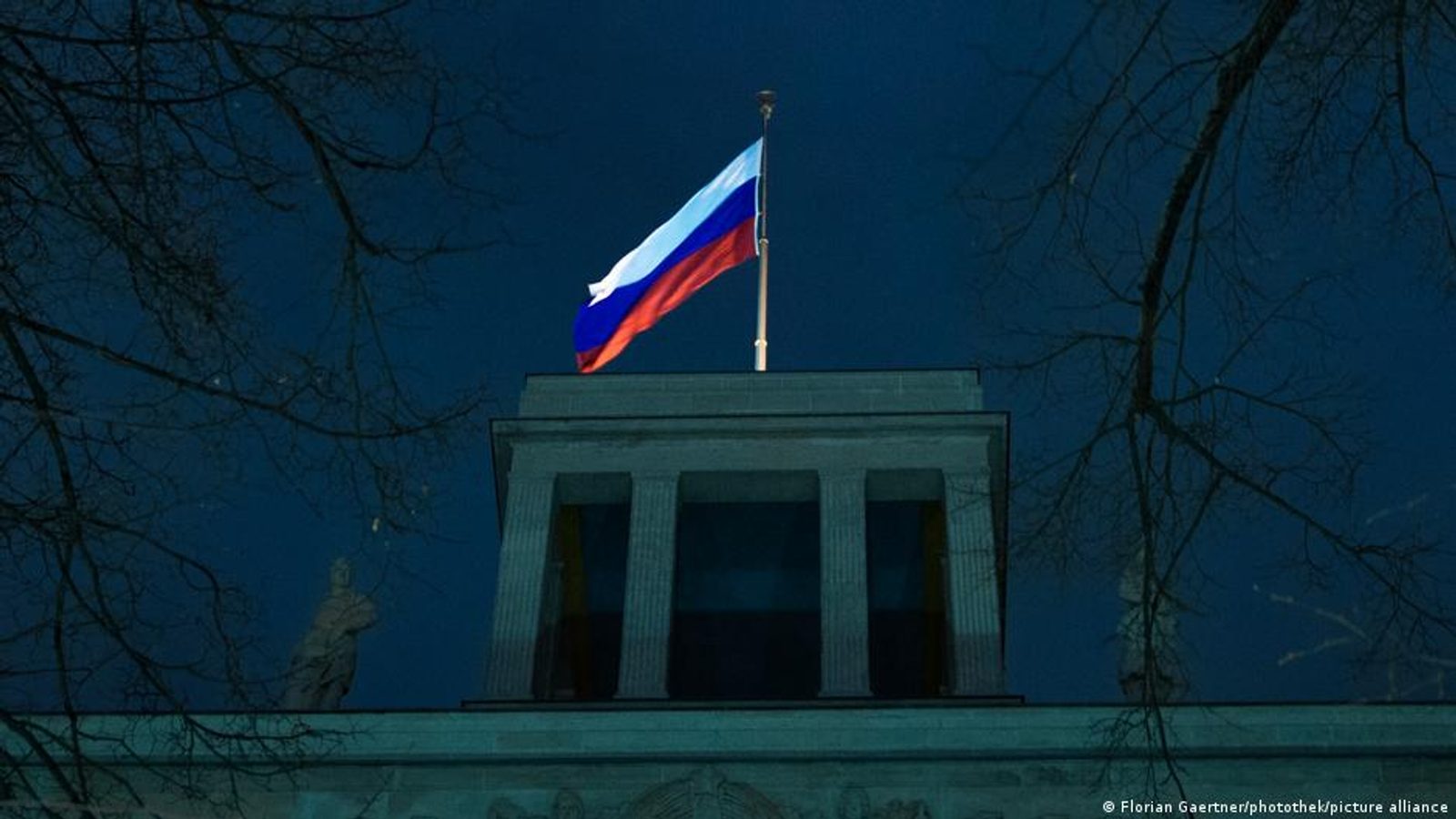
More than half of Germans see Russia as a threat to the country's security, a new ARD DeutschlandTrend survey shows: 56 percent of respondents said Russia endangers Germany. The poll was carried out by Infratest‑dimap between August 31 and September 2 on a representative sample of 1,319 eligible voters.
Concerns have risen after a number of attacks on critical infrastructure in recent weeks: a drone strike at Leipzig airport, explosive devices and pyrotechnic materials found at power substations in Brandenburg and North Rhine‑Westphalia, and an arson attack near two companies that produce military equipment in Bavaria. The incidents come ahead of regional elections in three states and have put firms that supply weapons under renewed scrutiny.
The federal government has pointed the finger at Russia for the drone attack, and political leaders have voiced alarm. Chancellor Friedrich Merz said, "We are not at war, but we are no longer at peace." Federal Interior Minister Alexander Dobrindt warned that Germany has become "an everyday target of hybrid warfare."
Regional and partisan divides
The sense of threat is not uniform across the country. Nearly half of residents in eastern Germany say they feel little or not at all threatened by Russia. Supporters of the Russia‑friendly and partly far‑right Alternative for Germany (AfD) are the least worried: about two‑thirds of AfD voters regard the threat from Russia as small.
The survey also shows a split over arms deliveries to Ukraine. Nationwide, around half of Germans consider military support appropriate or think it should be increased, while roughly four in ten believe it has gone too far. In eastern states and among AfD backers, rejection of arms shipments predominates.
On the political front AfD leads in several polls. On September 6 voters in the eastern state of Saxony‑Anhalt will elect a new state parliament, and AfD is polling with a commanding lead — potentially enough for an absolute majority. In a hypothetical federal vote held this week AfD would take 27 percent (down one point from August) and be the strongest party, CDU/CSU would remain on 21 percent, the Greens on 15 percent, while the SPD and The Left would each have 13 and 12 percent respectively (both up one point). All other parties would fall below the five‑percent threshold.
Public confidence in the governing coalition is low: only 15 percent say they are satisfied with the government's performance, and just 13 percent rate Chancellor Merz positively. Perceptions of the CDU/CSU's competence have weakened across several policy areas compared with a year ago: the share that believed the Union could secure peace in Europe fell from 31 to 23 percent; confidence on asylum and migration policy dropped from 24 to 19 percent; on pension reform from 21 to 15 percent; and on climate and environment from 14 to 8 percent. The Union still scores best on economic issues (24 percent), but that is down from 31 percent in February 2026. In eastern Germany AfD is now the most trusted party in almost all areas surveyed, except climate and environment.
Economic worries remain dominant: 79 percent of Germans say the economy is doing poorly or not very well. Views vary markedly by party: 41 percent of SPD supporters judge the economy good or very good, 37 percent of Green voters say the same, while only 3 percent of AfD supporters agree.
Report by Sabine Kinkartz.
Photo: press material from the event