Firefighters in southern Lebanon accuse Israeli forces of setting woodland fires
Firefighters and environmentalists in southern Lebanon accuse Israeli forces of igniting forest fires after cross‑border strikes; crews say drone activity has hampered suppression efforts.
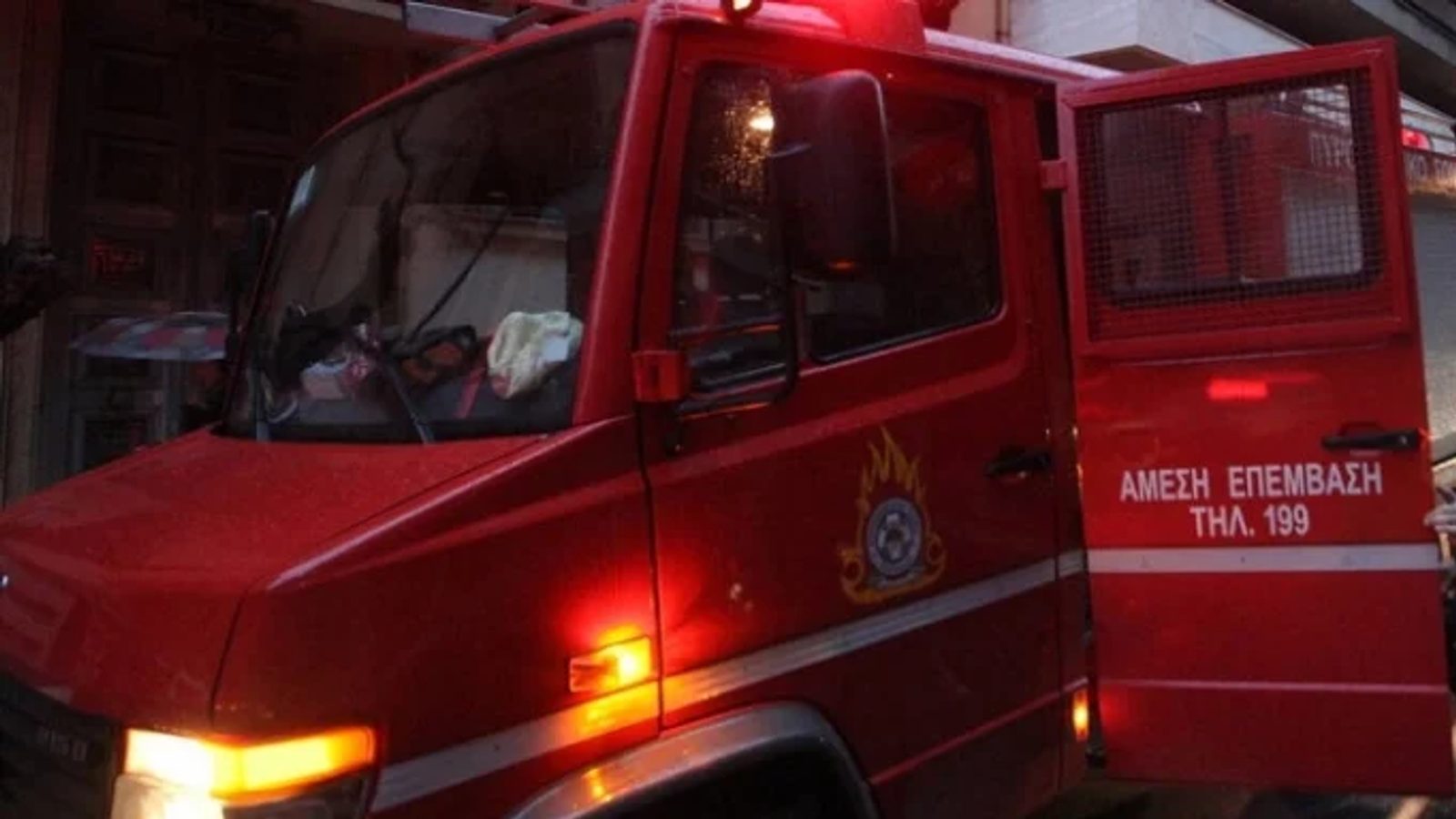
Firefighters and residents in southern Lebanon say they believe the Israeli military is deliberately setting blazes after recent bombardment, a pattern that local environmental groups describe as part of a long‑running campaign targeting Lebanon’s natural landscape.
Officials in the Nabatiyeh region reported that on Tuesday Israeli forces fired rockets into a wooded area outside Kiam, igniting fires. When civil defence crews moved in to fight the flames, a drone struck nearby and forced them to withdraw, the head of civil defence in Nabatiyeh, Hussein Fakih, told reporters.
Damage, tactics and contested lines
“Most of our missions now are related to fires. There are vast forested areas, I don't have exact figures, but in areas near the [front line], about 30-40% of the land is affected by fires,” Hussein Fakih said, describing the scale of the blazes that have consumed woodlands and agricultural plots.
Residents and local firefighters say the fires have repeatedly swept through olive groves and farmland. They link the outbreaks to Israeli strikes carried out since the ceasefire of June 17, which largely paused direct clashes between Hezbollah and Israel but has not ended hostilities along the border.
Israeli military spokespeople have previously argued that Hezbollah uses wooded areas for shelter and to conceal tunnel networks, a justification they say warrants strikes in such terrain. Environmentalists and rights groups warn that deliberate or indiscriminate burning would deepen humanitarian and ecological harm across southern Lebanon.
Diplomatic efforts continue: Lebanon and Israel held talks in Rome but did not reach agreement on a renewed ceasefire or on Israeli withdrawal from contested border zones, leaving the situation fragile and the risk of further outbreaks high.
Photo: ilustracija / MIA