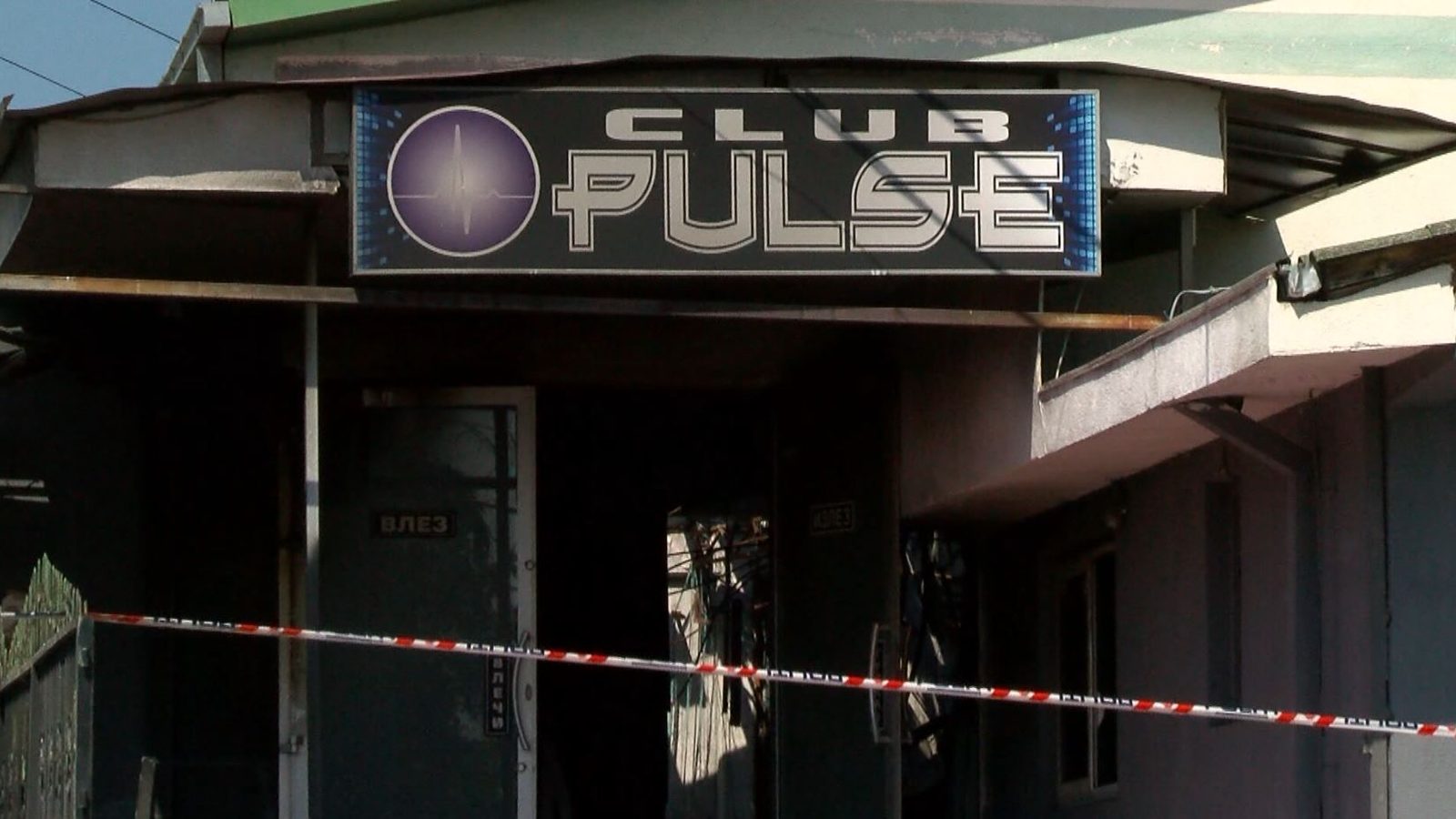
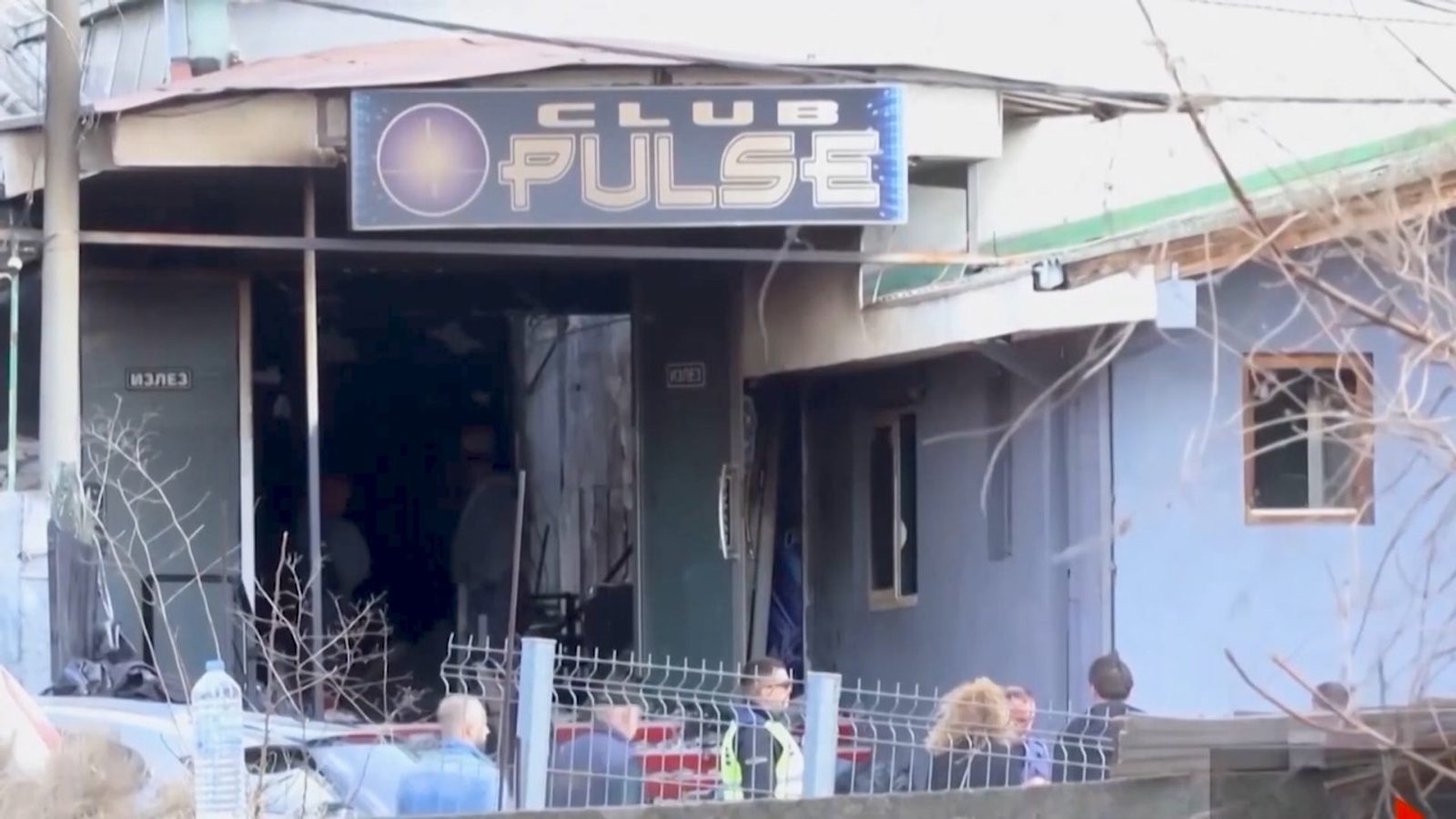
Pulse fire spurred tighter inspections, but practical training still lacking
After the Kochani disaster inspections were stepped up, but specialists say equipment alone won't help without regular practical training and drills.
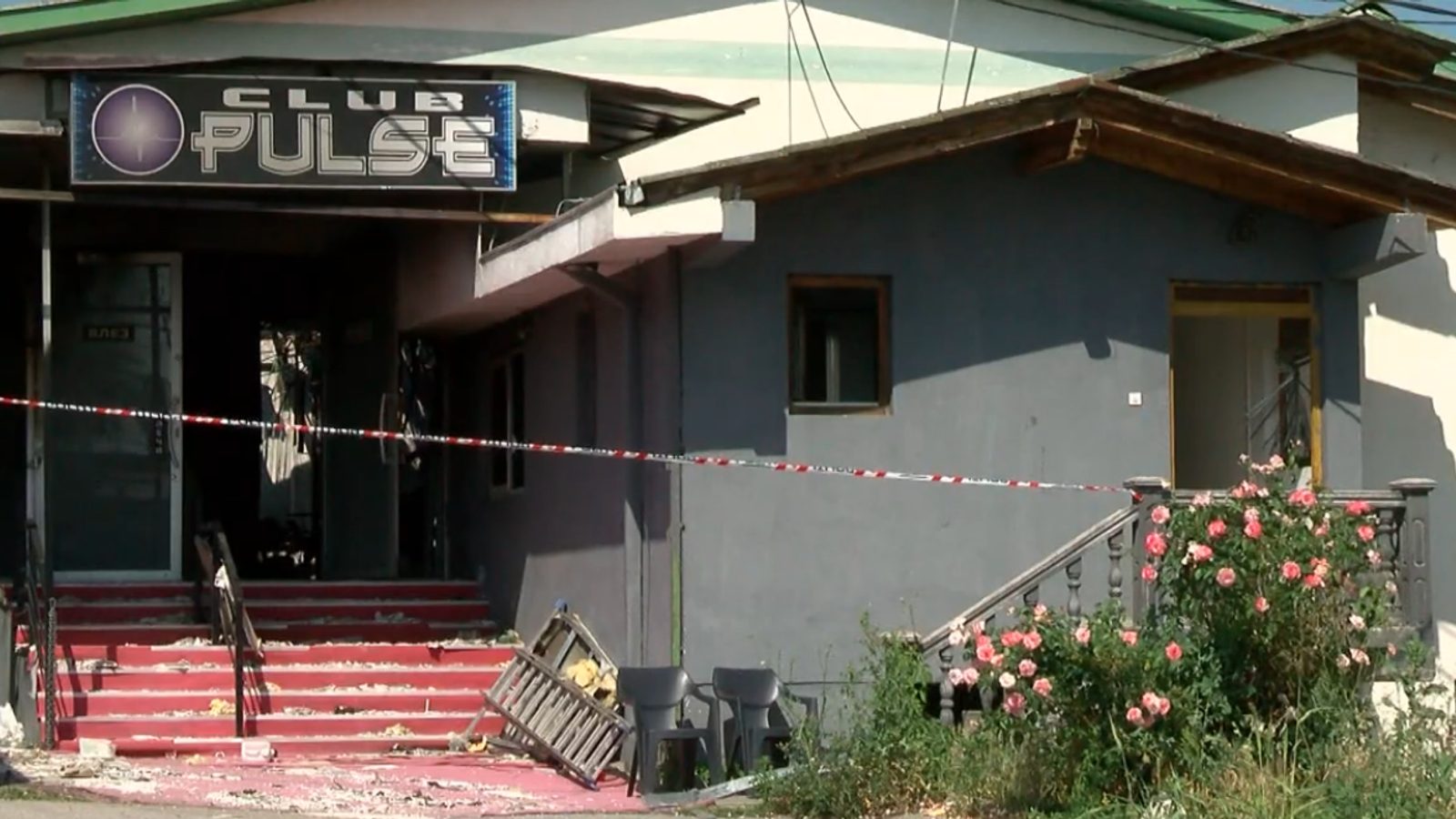
A major blaze at the Puls venue has prompted intensified inspections of fire-safety compliance, but experts say stronger oversight must be matched with hands‑on training for staff and companies that operate public spaces.
Fire-protection specialists report that authorities have stepped up checks on whether buildings hold approved evacuation and rescue plans, have required technical assessments and keep firefighting equipment in working order. Still, they warn that even modern gear is ineffective if people on site do not know how to use it.
Practical drills seen as the missing link
“People are not trained, they often panic and cannot even dial the fire brigade number. The point is to act in the first minutes, then even the largest fires could be prevented. If we miss that moment, regardless of whether the fire brigade arrives and contains the blaze, the damage will already be much greater,” said Zoran Dorevski, a fire-protection expert.
Officials say the disaster in Kochani triggered renewed effort to create a functioning triangle of cooperation between the Directorate for Protection and Rescue, state institutions and the private firms that provide fire‑safety services. “For the first time a coordination has been established in which all institutions will act in the same direction. One institution cannot demand one thing while the situation on the ground shows another. Kochani showed us that coordination was missing between institutions, companies and firms that work on fire protection,” said Marija Kukunovska, president of the Chamber of Fire Protection and Crisis Management.
Practical exercises are beginning to accompany the inspections. A live demonstration that simulated a fire and an evacuation was held at the Pod Tumbe Kafe stadium in Bitola, with all relevant services and personnel taking part to test readiness and inter-agency cooperation in an emergency.
Experts call for regular, realistic drills and basic citizen training alongside technical checks. They argue that sustained coordination and repeated hands‑on practice are the only reliable way to cut response time in the critical first minutes and reduce the scale of future tragedies.
Photo: press material from the event