Warning: 40 percent of Portugal's beaches at risk of disappearing by 2100
Greenpeace report says sea-level rise, storms and development put roughly 40% of Portugal's beaches at risk by 2100.
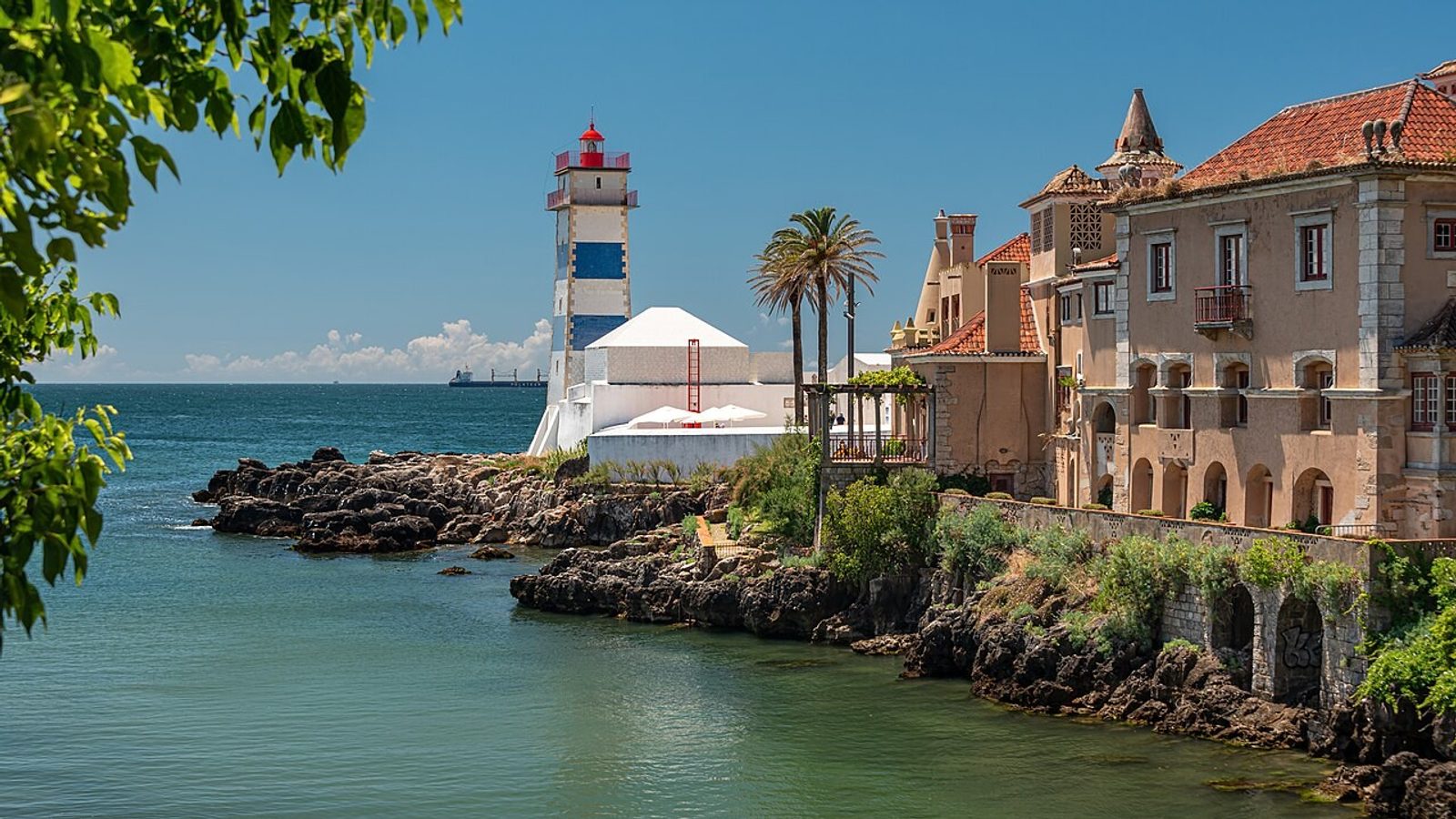
Greenpeace has warned that Portugal faces acute coastal risk from climate change, estimating that roughly 40 percent of its beaches could vanish by the year 2100 unless action is taken.
The organization's new report, titled "Destruction across the coastline — Portrait of Portugal's threatened shorelines," highlights a mix of accelerating sea-level rise, storm-driven erosion and decades of development pressure as the main drivers of the danger.
According to the report, storms earlier this year accelerated beach retreat in some places by between 10 and 20 metres, and in a few areas by as much as 40 metres. Portugal's long coastline — about 2,500 kilometres — and a local sea-level rise faster than the global average have made the country an "epicentre" of climate impacts, the report says.
People and infrastructure at risk
More than 100,000 people living in coastal zones are estimated to be exposed to flood risk. Data from the Portuguese Environment Agency (APA) show that along more than 25 percent of the mainland coast the sea is encroaching inland at rates of up to two metres per year in some regions. The municipality of Cascais is singled out as particularly alarming, with an average sea-level increase of 9.7 centimetres over the past 25 years.
Toni Melajoki Reserio, director of Greenpeace's Portuguese branch, warned that policymakers cannot wait for beaches to disappear, cliffs to collapse or infrastructure to be compromised, and urged immediate political decisions "to protect people, nature and the territory that belongs to everyone."
The report also highlights non-climatic factors that have heightened vulnerability: expanding urban areas and tourism developments, excessive construction in sensitive coastal zones, and artificial reshaping of the shore that has weakened or destroyed natural systems such as dunes and salt marshes that normally buffer coastlines.
Photo: press material from the event